Karnataka drought 2026: Deputy CM Parameshwara urges Centre to relax NDRF norms
Synopsis
Karnataka's Deputy CM Parameshwara has taken the drought fight to the Legislative Assembly floor, demanding the Centre overhaul NDRF norms that he says ignore soil moisture, crop impact and rainfall timing — not just headline deficit figures. With letters from the CM, Revenue Minister and Chief Secretary all pending response, the state is warning that federal criteria are leaving distressed farmers without the relief they are owed.
Key Takeaways
Parameshwara urged the Centre on 23 September 2026 to relax NDRF drought declaration norms in the Karnataka Legislative Assembly .
Karnataka wants drought assessments to factor in rainfall timing , crop impact , soil moisture , and local ground conditions — not just overall rainfall deficiency.
The state has written to the Union government at three levels: Chief Minister D.K.
Shivakumar , Revenue Minister Parameshwara , and Chief Secretary Shalini Rajneesh .
During the 2023 drought , then-CM Siddaramaiah wrote multiple letters to PM Narendra Modi raising the same concerns about inadequate federal norms.
Parameshwara warned that without Centre support, the state government's resources alone are insufficient to address full-scale farmer and public distress.
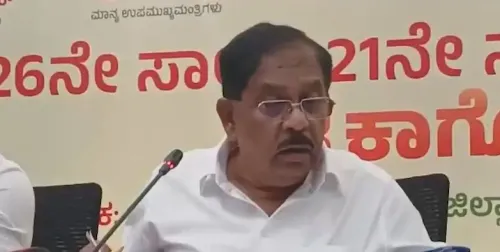
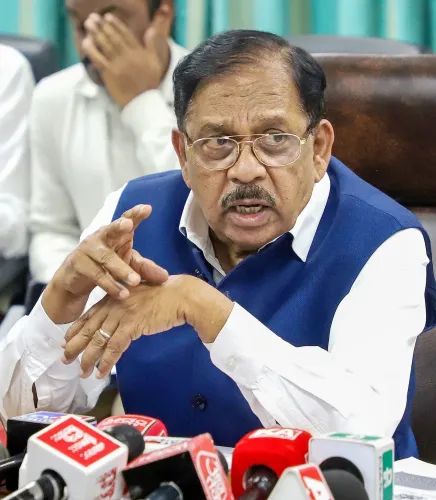
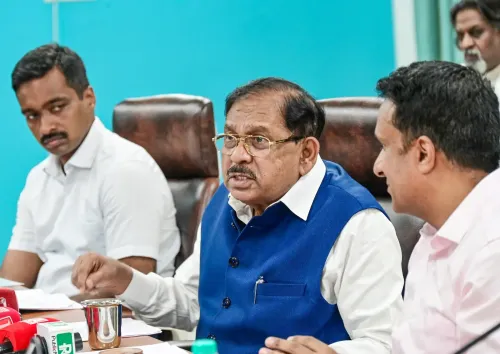
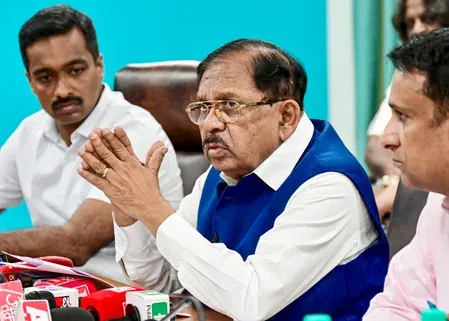
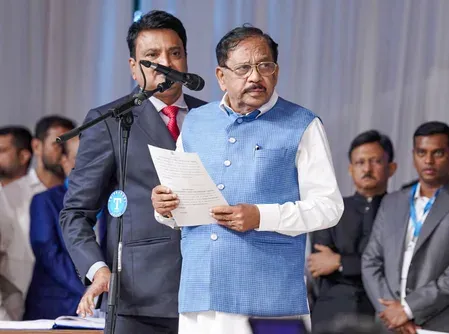
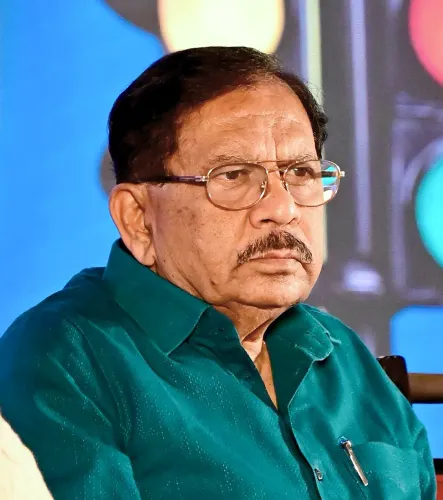
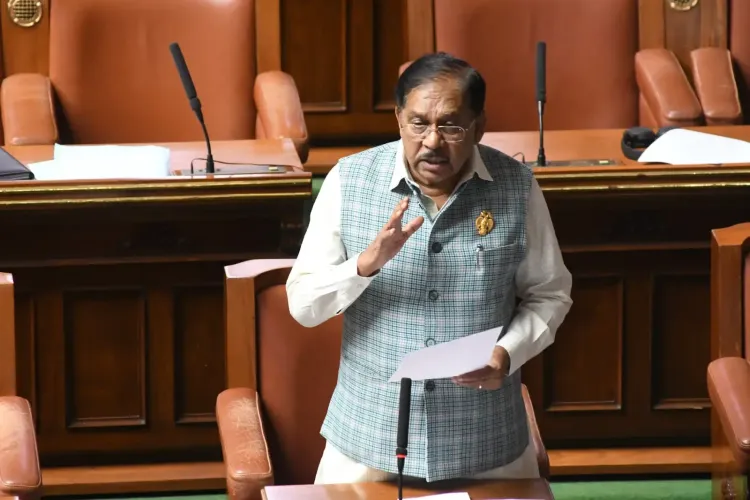
Karnataka Deputy Chief Minister and Revenue Minister G. Parameshwara on Wednesday, 23 September 2026, called on the Union government to relax existing drought declaration norms under the National Disaster Response Fund (NDRF) and release adequate financial assistance to address the severe drought gripping the state. Parameshwara made the appeal on the floor of the Karnataka Legislative Assembly in Bengaluru, underscoring that the current criteria fail to capture ground realities faced by distressed farmers.
What Karnataka Is Demanding
The state government's core demand is a fundamental revision of how drought is assessed. Parameshwara argued that declaring a drought solely on the basis of overall rainfall deficiency is inadequate. 'The state's key demand is that factors such as the amount of rainfall, timing of rainfall, impact on crops, soil moisture and other local ground conditions must also be considered,' he said, adding that the state had already formally requested the Union government to review the existing criteria in view of the 2026 drought situation.
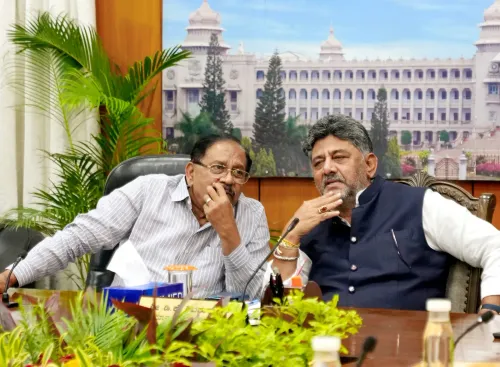
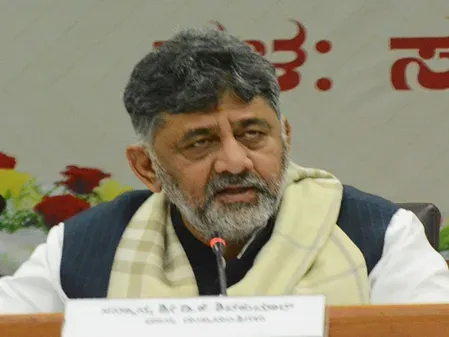
The state has written to the Centre at multiple levels — Chief Minister D.K. Shivakumar has communicated directly with the Union government, Parameshwara himself has submitted a formal request as Revenue Minister, and Chief Secretary Shalini Rajneesh has also written seeking appropriate action.
A Pattern of Requests Since 2023
This is not the first time Karnataka has pressed the Centre on drought norms. During the severe drought of 2023, then Chief Minister Siddaramaiah wrote several letters to Prime Minister Narendra Modi seeking relief and requesting that the Union government's existing norms be revised on grounds that they did not fully reflect actual drought conditions in the state. The current government has continued along the same path, suggesting a structural gap between how the Centre measures drought and what the state experiences on the ground. Notably, this is a concern shared by several drought-prone states that have repeatedly flagged the rigidity of NDRF eligibility criteria.
Impact on Farmers and Public
Parameshwara stressed that the state government is actively taking measures to provide relief to farmers and the broader public. 'Necessary measures are being taken to address the drought situation across the state, and the state government remains committed to responding to the distress faced by farmers and the public,' he said. Without a relaxation of NDRF norms, however, state resources alone may prove insufficient to cover the full scale of agricultural losses and rural distress.
What Happens Next
The ball is now firmly in the Centre's court. Karnataka is seeking 'special consideration' of its specific agronomic and climatic conditions when disbursing drought relief funds. Industry and farm bodies in the state will be watching closely whether the Union government responds before the rabi sowing season, when fresh investment by farmers becomes critical. Any delay in NDRF assistance risks compounding the distress already visible in rural Karnataka.
Point of View
Which signals a genuine structural problem rather than partisan posturing. The federal criteria, anchored primarily to aggregate rainfall deficiency, were designed for an era before granular soil and crop-stage data were widely available. States like Karnataka, with diverse agro-climatic zones, routinely suffer localised droughts that do not register in district-level rainfall averages. The Centre's continued inaction on norm revision, despite repeated requests going back to at least 2023, raises a legitimate accountability question: at what point does delay in updating a technical formula become a policy failure with a human cost?
NationPress
23 Sept 2026
Frequently Asked Questions
Why is Karnataka asking the Centre to relax NDRF drought norms?
Karnataka argues that the existing NDRF criteria rely too heavily on overall rainfall deficiency and do not account for factors like rainfall timing, crop impact, soil moisture, and local ground conditions. Deputy CM Parameshwara told the Legislative Assembly on 23 September 2026 that the current norms fail to reflect actual drought severity in the state, leaving farmers without adequate federal relief.
What is the NDRF and how does it relate to drought relief?
The National Disaster Response Fund (NDRF) is a federal fund managed by the Union government that provides financial assistance to states during notified disasters, including droughts. States must meet specific criteria — including prescribed rainfall deficiency thresholds — to access NDRF support, which Karnataka says are too rigid to capture real drought conditions.
Has Karnataka raised this issue with the Centre before?
Yes. During the 2023 drought, then Chief Minister Siddaramaiah wrote multiple letters to Prime Minister Narendra Modi seeking relief and norm relaxation. The current government under CM D.K. Shivakumar has continued the effort, with letters also sent by Revenue Minister Parameshwara and Chief Secretary Shalini Rajneesh.
Who is affected by the 2026 Karnataka drought?
Farmers and the general public across Karnataka are affected, with agricultural losses and rural distress reported statewide. The state government says it is taking measures to provide relief but warns that Centre support is essential to address the full scale of the crisis.
What does Karnataka want the Centre to change specifically?
Karnataka wants the Union government to expand the drought assessment criteria beyond aggregate rainfall deficiency to include the timing of rainfall, its impact on crops, soil moisture levels, and other local agronomic conditions. The state has formally requested a review of these criteria in the context of the 2026 drought situation.