ChatGPT-forged fake passes, Instagram ads: Duo cheats Ahmedabad garba-goers of ₹8 lakh
Synopsis
A 21-year-old used ChatGPT to forge passes for 13 Navratri garba events in Ahmedabad, ran paid Instagram ads to reach 40,000 people, and sold 686 fake tickets for ₹8 lakh — all while already booked by police in a separate fraud case. The arrest exposes how generative AI is lowering the barrier for convincing ticket forgery at scale.
Key Takeaways
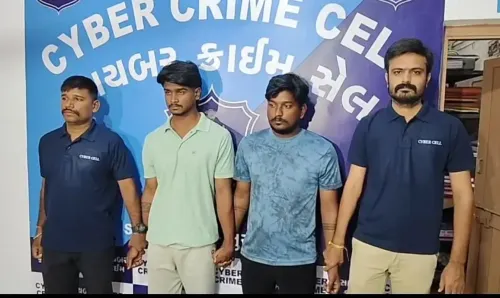
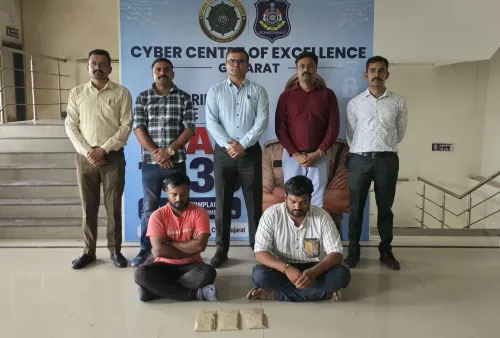
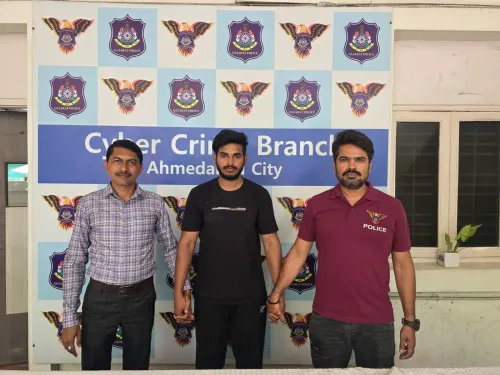
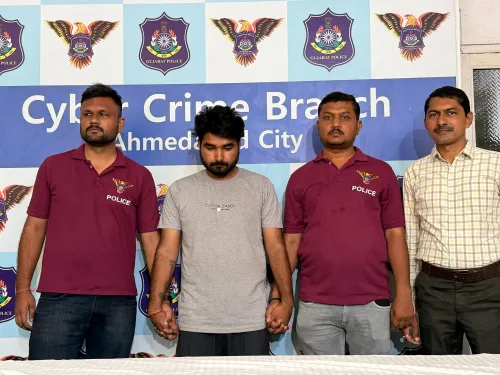
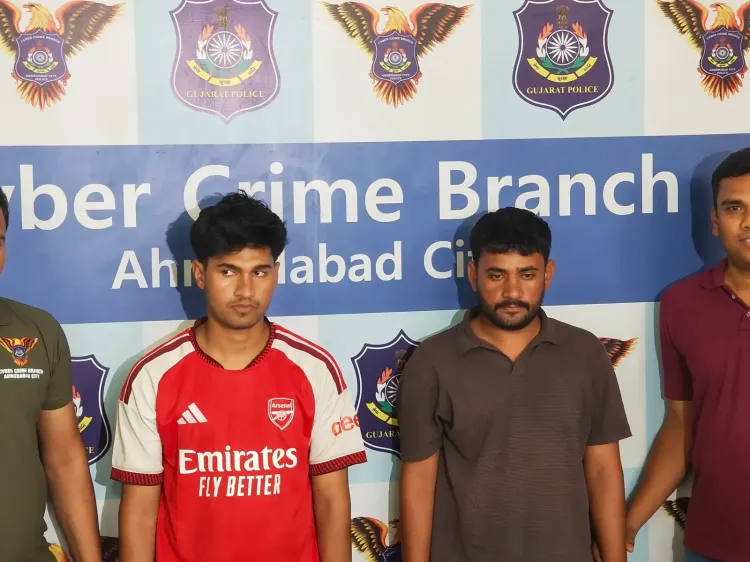
Virendra Singh Rathod, 21 , and associate Kishan Singh Rathod, 22 , were arrested from Sikar, Rajasthan for selling 686 fake garba passes in Ahmedabad .
The accused allegedly used ChatGPT and AI to forge passes and Meta's paid Instagram ads to reach around 40,000 people .
Buyers were defrauded of approximately ₹8 lakh ; fake passes covered 13 event names .
Passes for Anant Experience were sold at ₹1,500 against a stated price of ₹5,000 ; Mandapam passes at ₹500–600 .
The main accused had already been booked by Santej police on 3 October in a separate forgery case, yet allegedly continued the fraud.
Police urged buyers to purchase passes only through organisers' verified websites or authorised ticketing platforms .
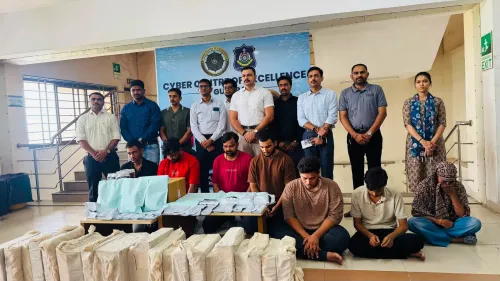
Two men were arrested for allegedly selling 686 counterfeit passes for Navratri garba events across Ahmedabad, defrauding unsuspecting buyers of approximately ₹8 lakh, the Ahmedabad Cyber Crime Branch said on Monday, 19 October 2025. The main accused reportedly used ChatGPT and artificial intelligence tools to fabricate convincing fake passes, while paid Instagram advertisements were used to reach potential buyers across the city.
How the fraud was carried out
The principal accused, Virendra Singh Rathod, 21, operated an Instagram account under the handle 'veer.rajjputtt' and allegedly promoted discounted tickets for prominent garba events through Meta's paid advertising facility, reaching around 40,000 people in Ahmedabad. His associate, Kishan Singh Rathod, 22, assisted in the operation. Both are residents of Rajasthan and had previously worked at events including wedding functions.
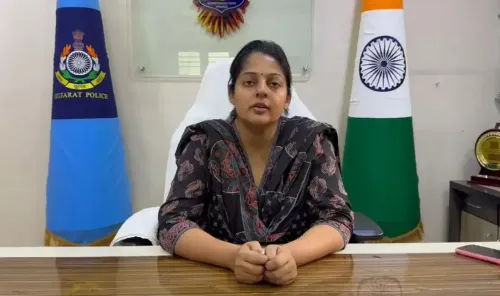
According to Deputy Commissioner of Police (Cyber Crime) Dr Lavina Sinha, Virendra used ChatGPT to replicate official pass designs — drawing on information and images taken from organisers' official websites and social media pages. The fraudsters created fake email addresses resembling those of event organisers and sent counterfeit passes to customers by email, while also communicating via WhatsApp to establish trust.
The fake passes were designed with booking IDs, reference numbers, and QR codes, making them appear legitimate. Their invalidity typically became apparent only when buyers arrived at venues and were denied entry.
Pricing and scale of the alleged scam
The accused allegedly offered passes at substantially reduced prices to lure buyers. Passes for the Anant Experience event were advertised at around ₹1,500 against a stated price of ₹5,000, while Mandapam passes were offered for ₹500–600. In total, fake passes were sold across 13 event names, including After 11:59, Mandapam, Chowk Na Garba, Offbeat, Vanratri, Rang Morlo, Ratladi, EMS Ratri, Inner Circle, Pancham Na Garba, Anant Experience, Efeston, and Safed Parinde.
Proceeds were allegedly deposited into a personal HDFC Bank account and another account used for the operation, with the money reportedly withdrawn soon after receipt or transferred through other accounts. The exact amount recovered remains under examination.
Arrests and prior criminal history
A complaint was registered with the Ahmedabad Cyber Crime Police Station on 16 October, prompting investigators to trace the accused through analysis of the Instagram account, WhatsApp number, email accounts, and financial transactions. The duo was arrested from Sikar district in Rajasthan after an initial search at Virendra's residence in Jodhpur failed to locate him.
Notably, this was not Virendra's first brush with such activity. Sinha said he had allegedly first engaged in similar misconduct in August while working at the Pink Butterfly garba event, where he was accused of defrauding the event of around ₹35,000 through passes. He reportedly returned the money at the time, and no formal complaint was filed. 'After that, he realised that money could be made by selling fake passes and continued the activity,' Sinha said. Additionally, Santej police in Gandhinagar district had booked him on 3 October in a separate case involving alleged cheating and the use of forged documents — yet he allegedly continued selling fake passes before fleeing to Rajasthan.
The investigation has also identified complaints linked to Paldi and Bopal police stations, a separate case registered by Santej police, and additional complaints submitted through the national cybercrime helpline.
Police advisory for buyers and organisers
Sinha urged customers to purchase passes exclusively through organisers' verified websites, official social media pages, or authorised ticketing applications. She cautioned against offers with unusually low prices and advised buyers to verify any special discounts directly with organisers before making payment. 'People should check whether the offer is advertised on the organiser's official page and purchase passes only through authorised channels,' she said. She also called on event organisers to report suspected counterfeit ticket sales promptly, so that action could be taken before more customers are affected.
As the investigation continues, police are examining digital evidence, social media accounts, email correspondence, WhatsApp chats, and financial transactions to establish the full extent of the alleged fraud.
Point of View
But ₹1,500 fake garba passes that fooled thousands. The fact that the accused was already booked in a separate forgery case and still continued operating undetected for weeks points to a coordination gap between city cyber units and district police. What is equally striking is the reach: paid Meta advertising amplified a small-scale con to 40,000 people at near-zero cost. As AI tools become more accessible, the barrier to producing convincing forged tickets, documents, or communications will keep falling — and enforcement frameworks built around traditional document fraud are not keeping pace.
NationPress
19 Oct 2026
Frequently Asked Questions
How did the accused create fake Navratri garba passes in Ahmedabad?
The main accused, Virendra Singh Rathod, allegedly used ChatGPT and AI tools to replicate official pass designs, incorporating booking IDs, reference numbers, and QR codes drawn from organisers' official websites. He then sent the counterfeit passes to buyers via fake email addresses that resembled those of event organisers, and communicated through WhatsApp to establish credibility.
How much money was collected and how many people were cheated?
According to the Ahmedabad Cyber Crime Branch, the two accused sold 686 fake passes across 13 garba events, collecting approximately ₹8 lakh from buyers. The fraudulent passes covered events including Anant Experience, Mandapam, Chowk Na Garba, and others.
How were the accused caught?
A complaint was registered with the Ahmedabad Cyber Crime Police Station on 16 October, after buyers found their passes invalid at venues. Investigators traced the accused through analysis of the Instagram account, WhatsApp number, email accounts, and financial transactions, eventually locating and arresting them in Sikar, Rajasthan.
Did the main accused have a prior criminal record?
Yes. Virendra Singh Rathod had allegedly defrauded the Pink Butterfly garba event of ₹35,000 in August, though no formal complaint was filed after he returned the money. He was also booked by Santej police in Gandhinagar district on 3 October in a separate case involving alleged cheating and use of forged documents, but reportedly continued selling fake passes before leaving Ahmedabad.
How can buyers protect themselves from fake Navratri or event ticket scams?
The Ahmedabad Cyber Crime Branch advises purchasing passes only through organisers' verified websites, official social media pages, or authorised ticketing platforms. Buyers should be wary of offers at unusually low prices and verify any special discounts directly with organisers before making payment.