Gujarat Police probes 'rent a garba partner' posts ahead of Navratri 2026
Synopsis
Ahead of Navratri, viral posts offering paid garba companionship for ₹500–₹6,500 have caught the attention of Ahmedabad's Cyber Crime Cell — which warns they could be phishing fronts or payment-link scams. With millions expected to celebrate, the police alert is a timely reminder that festive excitement is one of cybercriminals' most reliable tools.
Key Takeaways
Ahmedabad Cyber Crime Cell is examining viral social media posts advertising 'rent a garba partner' services ahead of Navratri 2026 .
Posts spotted on Instagram and other platforms offer paid companionship for garba events, with packages reportedly ranging from ₹500 to ₹6,500 .
DCP Dr Lavina Sinha warned the public that the posts may be used to initiate contact, harvest personal data, or execute payment-link fraud.
Citizens are advised to avoid clicking on payment links in social media posts and to report suspected fraud to the 1930 national cyber helpline.
Investigators are yet to confirm whether the posts represent genuine services or deliberate cyber fraud setups.
Ahmedabad Cyber Crime Cell of the Gujarat Police is actively examining viral social media posts advertising 'rent a garba partner' services ahead of Navratri 2026, warning that such advertisements could be fronts for online scams, phishing attacks, or other forms of cyber fraud. The posts, flagged through the police's social media monitoring cell, have been circulating widely on platforms including Instagram.
What the Posts Offer
The advertisements promise users a paid companion for garba events — offering to accompany them to garba venues, assist with festive shopping, or spend time with them through the duration of the celebrations. Reported packages range from approximately ₹500 to ₹6,500, depending on the duration and nature of the services, though police are investigating the authenticity and intent behind these listings.
According to officials, the posts have been trending across multiple social media platforms in the days leading up to the festival season, drawing the attention of the cyber crime unit.
What the Police Are Warning
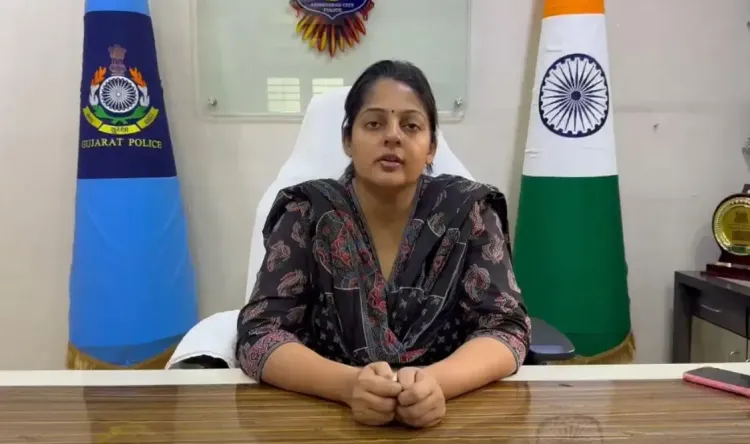
Ahmedabad Cyber Crime Deputy Commissioner of Police (DCP) Dr Lavina Sinha cautioned the public against assuming that the person behind such posts is someone they know. 'Such messages are going viral and trending on various social media platforms, saying that you can rent a partner. For a certain amount, you can take them to a garba venue or spend the entire day doing garba shopping. Several such posts have gone viral and have come to our attention through our social media monitoring cell,' she said.
Sinha warned that once communication is established through these posts, the interaction could be misused. 'Firstly, it is not necessary that a known person is at the other end of these posts. Many times, such posts are made under the pretext of having some interaction or chatting, and this could also be misused. Once chatting takes place or some kind of communication is established, there could be other misuse,' she added.
Risk of Financial Fraud Through Payment Links
A second layer of risk, according to Sinha, involves financial fraud through embedded payment links. 'This can also potentially become a scam, where even after taking the payment, there is a possibility that the service for which the payment is being made may not be provided. Alternatively, through the link used for making the payment, an attempt could also be made to carry out a digital scam or cyber fraud,' she explained.
Notably, this type of festive-season digital fraud mirrors a broader pattern seen during major Indian celebrations — from Diwali offers to fake travel packages during long weekends — where urgency and social excitement are exploited to lower users' guard.
What Citizens Should Do
DCP Sinha urged the public to avoid making payments through unfamiliar social media links. 'I would say that people should be cautious about making payments through any such social media posts or payment links. And if there is any suspicion of a scam, or if your money has been lost, or if you feel that your phone has been hacked after clicking on such a link, immediately contact 1930 and inform the nearest police station,' she said.
The National Cyber Crime Reporting Portal also advises victims of financial cyber fraud to report incidents immediately through the 1930 helpline. The portal accepts complaints related to online fraud, hacking, social media crimes, and suspicious URLs, phone numbers, or messaging handles.
The investigation is ongoing, and authorities are yet to determine whether the posts represent genuine services or are being deployed to facilitate cyber fraud.
Point of View
Exploiting the combination of high social spending, emotional engagement, and low scrutiny of unfamiliar payment links. The police response here is reactive — triggered by posts going viral — rather than proactive. What is missing is a public digital literacy campaign tied to the festive calendar, not just a post-hoc warning. The 1930 helpline remains under-publicised despite years of cyber crime growth, and DCP Sinha's statement, while useful, reaches only those already paying attention.
NationPress
22 Sept 2026
Frequently Asked Questions
What are the 'rent a garba partner' posts that Gujarat Police are investigating?
These are social media advertisements, primarily circulating on Instagram, that offer users a paid companion for Navratri garba events, festive shopping, or general time during the celebrations. Packages reportedly range from ₹500 to ₹6,500, though police are investigating whether the posts represent genuine services or are being used for cyber fraud.
Why is the Ahmedabad Cyber Crime Cell concerned about these posts?
Police warn that the posts could be used in at least two ways: first, to initiate communication with unsuspecting users that is later misused; and second, to collect payments through fraudulent links without delivering any service. DCP Dr Lavina Sinha noted that users should not assume the person behind such posts is someone they know.
What should people do if they encounter such posts or suspect a scam?
Ahmedabad Cyber Crime DCP Dr Lavina Sinha has advised citizens to avoid making payments through unfamiliar social media links. If money is lost, a device is hacked, or a scam is suspected, people should immediately call the national cyber helpline 1930 and inform the nearest police station.
How can victims of cyber fraud report incidents in India?
Victims can report incidents via the National Cyber Crime Reporting Portal or the dedicated helpline number 1930. The portal accepts complaints related to online financial fraud, hacking, social media crimes, and suspicious URLs or phone numbers.
Is this a new trend in India?
Festive-season cyber fraud is not new — scams exploiting Diwali sales, travel bookings, and gift schemes have been documented in previous years. The 'rent a partner' format is a newer variation that plays on social and cultural engagement around Navratri, making it particularly relevant in Gujarat where the festival draws large-scale participation.