CM Sai Govt Expands Delhi Hostel to 200 Seats for Tribal UPSC Aspirants
Synopsis
The Chhattisgarh government under CM Vishnu Deo Sai has expanded the New Delhi Tribal Youth Hostel to 200 seats, bolstering civil-services preparation for tribal youth, while continuing Eklavya and Prayas residential school programmes across the state.
Key Takeaways
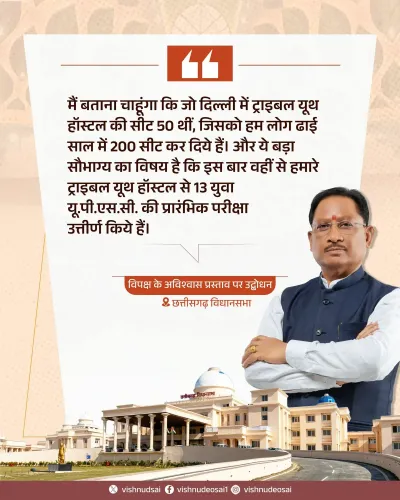
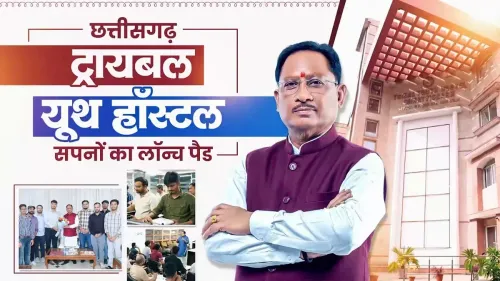
The Tribal Youth Hostel in New Delhi has been expanded to 200 seats for tribal civil-services aspirants from Chhattisgarh.
Eklavya Adarsh Awasiya Vidyalayas , a central government scheme since 1997-98 , and Prayas Awasiya Vidyalayas , a state initiative expanded from 2010 , form the foundation of the tribal education pipeline.
Chief Minister Vishnu Deo Sai has prioritised tribal welfare since taking office in December 2023 .
The announcement was timed around Janjatiya Gaurav Diwas on 15 November , marking Birsa Munda's birth anniversary.
Chhattisgarh has one of India's largest Scheduled Tribe populations, with historically low representation in higher administrative services.
The hostel expansion signals a policy shift from basic literacy goals toward measurable outcomes in competitive public-service recruitment.
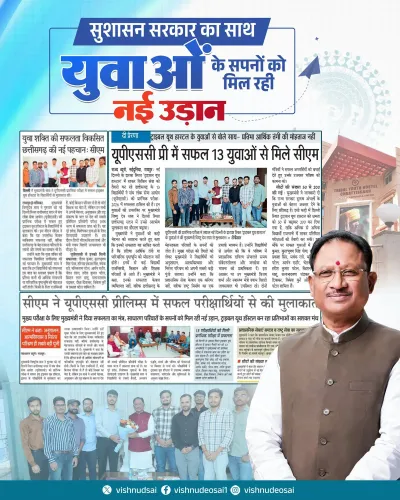
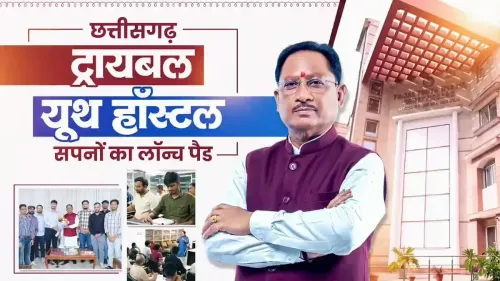
A residential school network reaching deep into Chhattisgarh's forests and a hostel bed in New Delhi — that is the arc the state government wants every tribal student to travel. On Saturday, 14 November 2026, the Chief Minister's Office of Chhattisgarh announced that the government under Chief Minister Vishnu Deo Sai has expanded capacity at the Tribal Youth Hostel in New Delhi to 200 seats, directly targeting tribal youth preparing for civil services examinations.
From Forest Schools to the UPSC Circuit
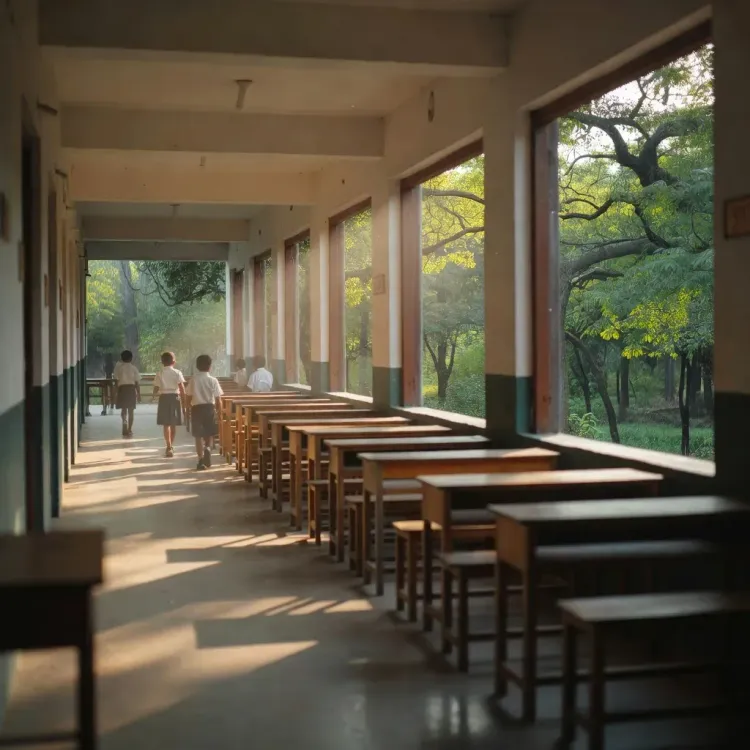
The post, shared in Hindi, describes the state's approach as a continuum: 'जनजातीय विद्यार्थियों को गुणवत्तापूर्ण शिक्षा और बेहतर अवसर उपलब्ध कराने के लिए... सुशासन सरकार निरंतर प्रयासरत है' — ('the good-governance government is continuously striving to provide quality education and better opportunities to tribal students'). The twin pillars named are the Eklavya Adarsh Awasiya Vidyalayas and the Prayas Awasiya Vidyalayas, both residential school programmes that serve Scheduled Tribe children across the state.
Eklavya Model Residential Schools trace their lineage to a 1997-98 central government scheme under the Ministry of Tribal Affairs, designed to deliver quality schooling to ST students in remote areas. Prayas Awasiya Vidyalayas are a Chhattisgarh state initiative, expanded significantly from 2010 onwards, offering free boarding, education, and coaching to meritorious tribal children. Together they form the pipeline — the Delhi hostel expansion is the pipeline's outlet.
Why the Delhi Hostel Seat Count Matters
Chhattisgarh has one of India's largest Scheduled Tribe populations, yet representation in the higher administrative services has historically lagged. The Delhi hostel gives tribal aspirants from the state an affordable base in a city where proximity to coaching centres, libraries, and the UPSC examination ecosystem can be the difference between clearing and not clearing. Raising the seat count to 200 is a signal that the state is treating civil-services success — not just basic literacy — as a measurable outcome of its tribal welfare architecture.
The announcement coincides with Janjatiya Gaurav Diwas, observed on 15 November to mark the birth anniversary of Birsa Munda, lending the policy move a symbolic weight the government has explicitly flagged with the hashtag #JanjatiyaGauravDiwas.
Sai Government's Tribal Education Push
Chief Minister Vishnu Deo Sai, who took office in December 2023 leading a BJP government, has positioned tribal welfare as a central governance priority. The pattern — residential schooling at the foundational level, competitive-exam infrastructure at the apex — reflects a maturing policy logic: get children into quality schools early, then hold the door open at the highest rungs of public service.
What to watch next: how many Chhattisgarh tribal candidates convert hostel access into UPSC and state PSC selections over the next two examination cycles, and whether the state budget follows with further capacity additions or new Eklavya school approvals.
Two hundred seats in New Delhi. The question now is how many will translate into two hundred new names on the merit list.
Point of View
Tangible outcomes in competitive examinations are far more electorally legible among tribal communities than school-enrolment numbers alone. Timing the announcement on Janjatiya Gaurav Diwas is deliberate optics, anchoring a welfare measure to cultural pride. The deeper structural question is whether a hostel bed translates into selection rates — that data, not the seat count, will define the policy's legacy. If UPSC and state PSC lists do not start reflecting more tribal names from Chhattisgarh within two to three cycles, the upstream school investments and the downstream hostel expansion will face harder scrutiny.
NationPress
14 Nov 2026
Frequently Asked Questions
What is the Tribal Youth Hostel in New Delhi for Chhattisgarh students?
It is a hostel facility in New Delhi managed for tribal youth from Chhattisgarh and other states who are preparing for UPSC and other competitive examinations. The Chhattisgarh government has now expanded its capacity to 200 seats.
What are Eklavya Adarsh Awasiya Vidyalayas?
Eklavya Adarsh Awasiya Vidyalayas are model residential schools run under the central Ministry of Tribal Affairs, launched in 1997-98 to provide quality education to Scheduled Tribe students in remote areas of India, including Chhattisgarh.
What are Prayas Awasiya Vidyalayas in Chhattisgarh?
Prayas Awasiya Vidyalayas are Chhattisgarh state-run residential schools that offer free education, boarding, and coaching to meritorious tribal children. The state expanded the scheme significantly from 2010 onwards.
Who is Vishnu Deo Sai and what is his tribal welfare record?
Vishnu Deo Sai is the Chief Minister of Chhattisgarh, in office since December 2023, leading a BJP government. He has made tribal education and welfare a central governance priority, continuing and expanding residential school programmes and hostel facilities.
What is Janjatiya Gaurav Diwas and why is it significant for this announcement?
Janjatiya Gaurav Diwas is observed on 15 November to commemorate the birth anniversary of tribal freedom fighter Birsa Munda. The Chhattisgarh government timed this tribal education announcement to coincide with the occasion, underscoring cultural and political significance.