CM Sai: Chhattisgarh to get first semiconductor plant in new SEZ
Synopsis
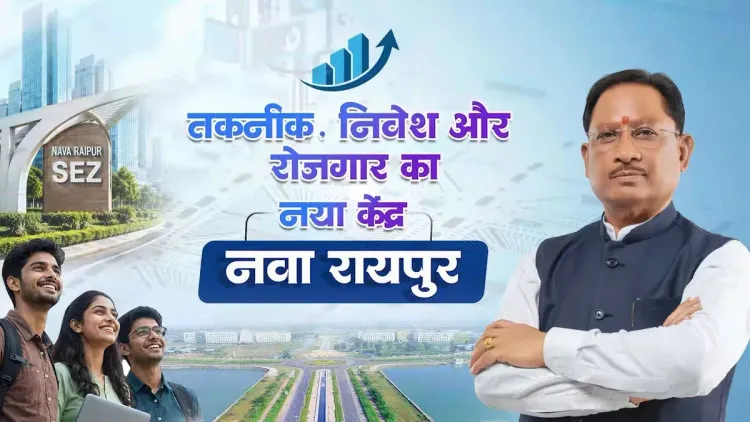
Chhattisgarh CM Vishnu Deo Sai announced approval of a second SEZ at Nava Raipur that will host the state's first semiconductor plant, signalling a strategic shift from mining toward high-technology manufacturing and youth-focused employment.
Key Takeaways
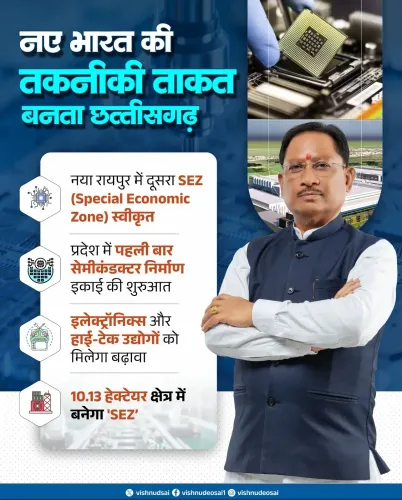
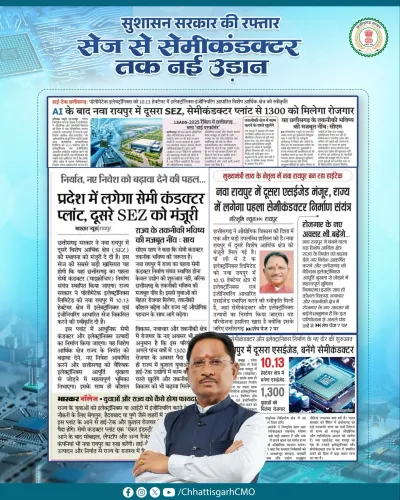
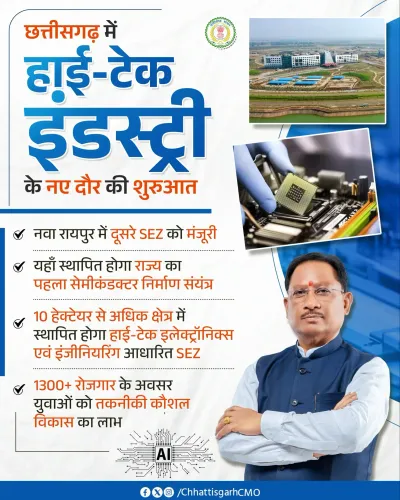
Chhattisgarh has received approval for its second Special Economic Zone (SEZ) at Nava Raipur .
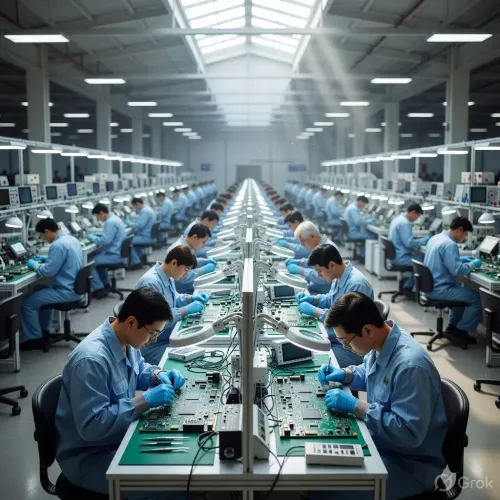
The new SEZ will host the state's first semiconductor manufacturing plant .
CM Vishnu Deo Sai framed the move as part of a broader push toward technology-driven industrial diversification .
The announcement aligns with the Union government's India Semiconductor Mission , launched in 2021.
The project is expected to generate employment and technical skill opportunities for Chhattisgarh's youth.
Key details including the technology partner, investment size and timeline are yet to be officially disclosed.
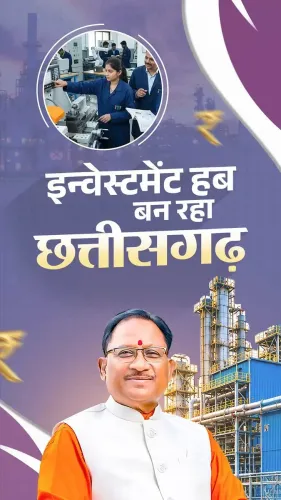
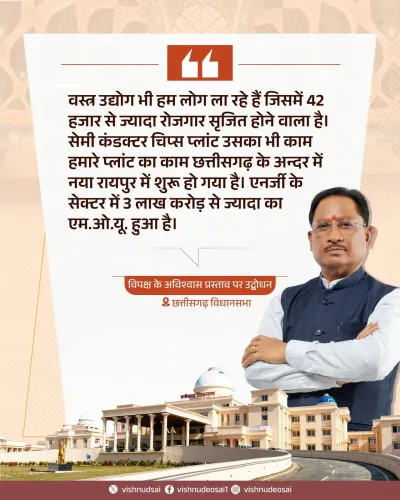
Chhattisgarh Chief Minister Vishnu Deo Sai announced on Wednesday, 27 May 2026 that the state has received approval for a second Special Economic Zone (SEZ) at Nava Raipur, which will house the state's first semiconductor manufacturing plant — marking a significant pivot from the state's traditional mining and steel economy toward high-technology industry.
Posting on X, CM Sai wrote: 'हाई-टेक उद्योगों का नया हब बन रहा छत्तीसगढ़' ('Chhattisgarh is becoming the new hub of high-tech industries'), adding that with 'good governance, investment-friendly policies and a modern vision,' the state is 'forging a new identity in technology-driven industries.' He said the second SEZ approval would pave the way for the first semiconductor fabrication unit in the state, opening 'new doors of employment, technical skills and future possibilities for youth.'
Context
Chhattisgarh has historically depended on coal mining, iron ore, steel and power generation for its economic base. The state government under CM Sai, who took office after the BJP's return to power in the state in December 2023, has repeatedly signalled an intent to diversify toward electronics, engineering and technology-intensive manufacturing to create white-collar and skilled employment.
Nava Raipur — the greenfield planned capital developed over the past two decades — has been positioned as the focal point of this industrial transformation, with dedicated IT parks and infrastructure corridors already in place.
Policy Backdrop
The announcement aligns with the India Semiconductor Mission, launched by the Union government in 2021, which offers substantial fiscal incentives to states and private investors willing to set up chip fabrication, assembly, testing and packaging facilities. Several states including Gujarat, Assam and Tamil Nadu have already moved to attract semiconductor investments under this framework.
Chhattisgarh notified its first SEZ policy in 2008 and updated its industrial policy framework in 2019–20 to attract electronics and engineering investors. The approval of a second SEZ represents the next step in that lineage, offering duty-free enclave status and fiscal concessions designed to lower the cost of setting up capital-intensive manufacturing.
Stakeholders and Impact
The electronics and engineering sector is expected to be the primary beneficiary, with semiconductor fabrication units typically generating both direct manufacturing jobs and a wider ecosystem of component suppliers, logistics firms and technical services. CM Sai specifically highlighted youth employment, technical skill development and long-term career opportunities as intended outcomes of the project.
State skill-development institutions and engineering colleges in Chhattisgarh are likely to be drawn into curriculum alignment with the requirements of semiconductor manufacturing — a pattern already visible in states where similar investments have been announced. Electronics manufacturers eyeing cost-competitive locations in central India could also find the new SEZ attractive as supply-chain diversification pressures intensify nationally.
What's Next
Key details — including the identity of the technology partner, the scale of investment, land allotment specifics and a construction timeline for the Nava Raipur semiconductor unit — are yet to be formally announced. State officials are expected to follow up with a detailed project report and skill-development roadmap tied to the plant's operational requirements.
If the project moves from approval to ground-breaking on schedule, Chhattisgarh would join a small group of Indian states with active semiconductor fabrication capacity, positioning itself as a node in the emerging domestic chip supply chain that the Union government is actively trying to build.
Point of View
A long-underutilised planned city, gives the project both infrastructure logic and symbolic weight. Chhattisgarh enters the semiconductor race later than Gujarat or Tamil Nadu, but its lower land and power costs could be a genuine competitive advantage if a credible fabrication partner is secured. The announcement's credibility will ultimately rest on how quickly the state converts SEZ approval into ground-level investment commitments.
NationPress
10 Oct 2026
Frequently Asked Questions
What is the new SEZ announced in Chhattisgarh?
Chhattisgarh has received approval for a second Special Economic Zone at Nava Raipur, which will host the state's first semiconductor manufacturing plant, as announced by CM Vishnu Deo Sai on 27 May 2026.
Where will Chhattisgarh's first semiconductor plant be located?
The semiconductor plant will be located within the newly approved SEZ at Nava Raipur, the state's planned greenfield capital city.
What is the India Semiconductor Mission?
The India Semiconductor Mission is a Union government programme launched in 2021 to attract semiconductor fabrication, assembly and packaging investments across Indian states through substantial fiscal incentives.
How will the Chhattisgarh semiconductor plant benefit youth?
CM Sai stated the project will open new avenues for employment, technical skill development and future career opportunities for the state's youth in the electronics and engineering sector.
Which other states are building semiconductor facilities in India?
Gujarat, Assam and Tamil Nadu have already announced or are pursuing semiconductor and electronics cluster investments under the Union government's production-linked incentive and semiconductor mission frameworks.