Chirag Paswan Performs Havan, Kanya Pujan on Gupt Navratri
Synopsis
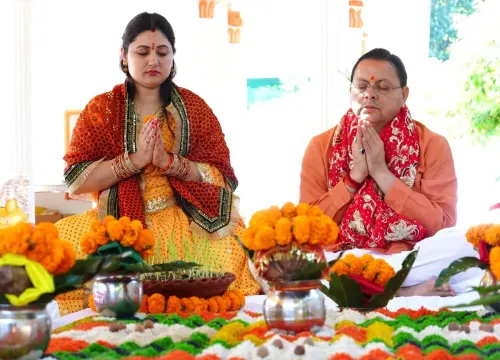
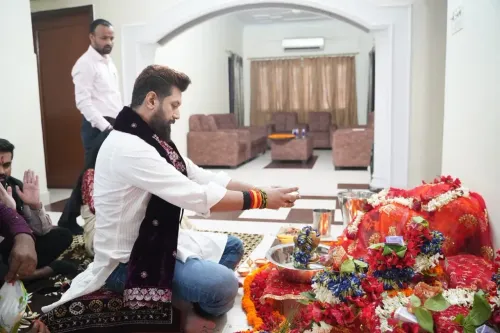
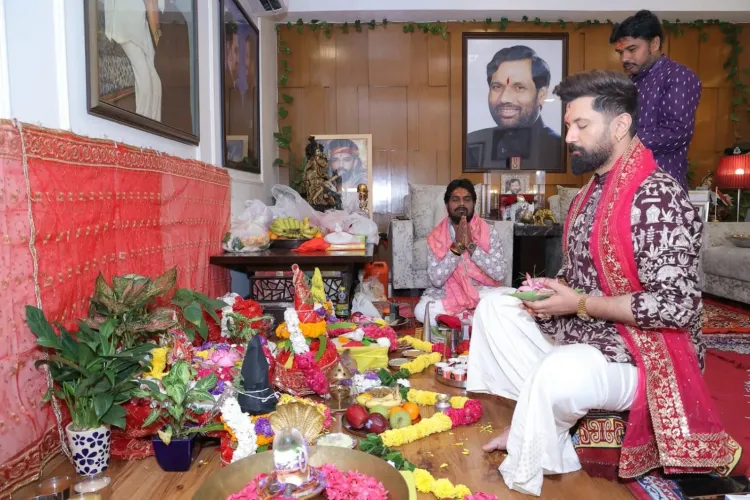
Union Food Processing Minister Chirag Paswan performed a havan and kanya pujan at his New Delhi residence on the occasion of Gupt Navratri, seeking blessings of Maa Adishakti and praying for happiness, prosperity, and well-being for all.
Key Takeaways
Chirag Paswan , Union Minister of Food Processing Industries and LJP (Ram Vilas) national president, observed Gupt Navratri on 22 July 2026 .
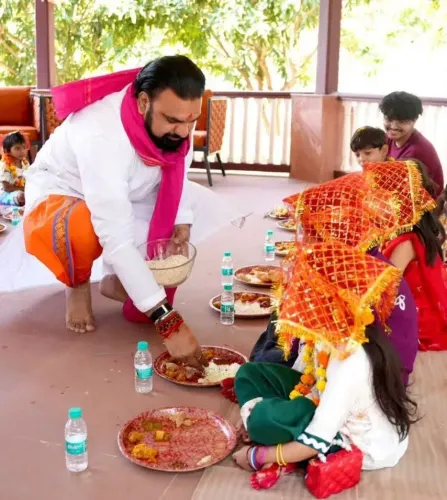
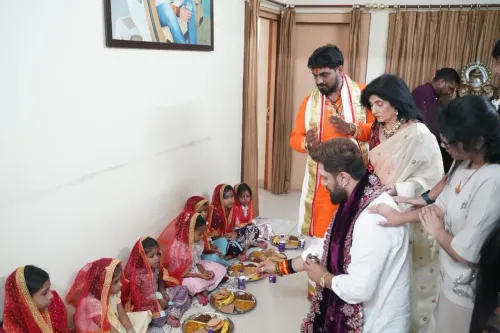
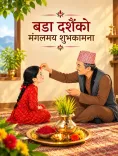
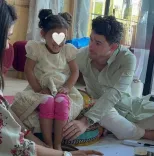
The minister performed a havan (sacred fire ritual) and kanya pujan (worship of young girls as goddess manifestations) at his New Delhi residence .
He described the rituals as conducted with 'full traditional rites' ( poorn vidhi-vidhan ).
Paswan offered a public prayer to Maa Jagdamba for happiness, prosperity, good health, peace, and well-being for all.
Gupt Navratri is observed in the Hindu lunar month of Ashadha and holds special significance in shakta and tantric traditions.
Union Food Processing Minister Chirag Paswan on Wednesday, 22 July 2026, performed a havan (sacred fire ritual) and kanya pujan (worship of young girls as manifestations of the goddess) at his residence in New Delhi, observing the auspicious occasion of Gupt Navratri with full traditional rites and seeking the blessings of Maa Adishakti.
Sharing the occasion on social media, the minister wrote: 'Aaj pawan Gupt Navratri ke shubh avsar par apne aavas par poorn vidhi-vidhan ke saath havan evam kanya pujan kar Maa Adishakti ki aradhana ki tatha unka aashirwad prapt kiya.' ('Today, on the auspicious occasion of the sacred Gupt Navratri, I performed a havan and kanya pujan at my residence with complete rituals, worshipped Maa Adishakti, and received her blessings.')
He further prayed: 'Maa Jagdamba se prarthana hai ki ve sabke jeevan mein sukh, samridhi, uttam swasthya, shanti aur khushhaali ka sanchaar karen. Jai Mata Di!' ('I pray to Maa Jagdamba that she brings happiness, prosperity, good health, peace, and well-being into everyone's lives. Jai Mata Di!')
Context
Gupt Navratri is a Hindu observance of nine nights dedicated to the goddess Durga, observed according to the lunar calendar in the month of Ashadha. Unlike the more widely celebrated Chaitra and Sharad Navratris, Gupt Navratri is considered particularly significant in tantric and shakta traditions, where the nine forms of the goddess are worshipped with special rituals.
The kanya pujan — the ritual worship of young girls as living embodiments of the goddess — is a central practice during Navratri observances across India, symbolising the reverence for feminine divine energy. The havan, a fire offering, is performed to invoke divine blessings and purify the surroundings.
Policy Backdrop
Indian elected representatives and cabinet ministers routinely share personal religious observances on social media during major Hindu festivals. These public expressions of devotion are an established part of political and cultural life across party lines, and occur independently of official ministerial duties or government policy announcements.
Chirag Paswan, who leads the Lok Janshakti Party (Ram Vilas) as its national president, has been a prominent voice in Bihar politics and at the national level. He succeeded his father, the late Ram Vilas Paswan, a veteran political leader known for his social justice advocacy, in leading the party.
Stakeholders and Impact
The post resonates with millions of Hindu devotees across India who observe Gupt Navratri, particularly those in Bihar and other Hindi-speaking states where Navratri rituals hold deep cultural significance. For Paswan's political constituency, the public observance reinforces his connection to popular religious sentiment.
The minister's message extended beyond personal devotion, carrying a public prayer for 'happiness, prosperity, good health, peace, and well-being' for all — a customary benediction that broadens the post's reach beyond a purely personal statement.
What's Next
With the Gupt Navratri festival period ongoing, further public statements by the minister on cultural or constituency matters are likely. Such observances by senior ministers often set the tone for wider party participation in festival activities at the state and local level, particularly in electorally significant states like Bihar.
Point of View
Particularly during Hindu festivals. For Paswan, whose political identity is rooted in Bihar — a state where Navratri observances carry significant social weight — such posts serve a dual purpose: personal expression and constituency outreach. The LJP (Ram Vilas) has, since its founding under Ram Vilas Paswan, navigated the intersection of social justice politics and Hindu cultural identity, and Chirag's visible religious observances continue that balancing act. The post carries no policy dimension but reflects the broader normalisation of religious expression as political communication in contemporary Indian public life.
NationPress
21 Oct 2026
Frequently Asked Questions
What is Gupt Navratri and when is it observed?
Gupt Navratri is a Hindu nine-night festival dedicated to Goddess Durga, observed in the lunar month of Ashadha. Unlike the more widely known Chaitra and Sharad Navratris, it holds particular significance in shakta and tantric traditions.
What did Chirag Paswan do on Gupt Navratri 2026?
Chirag Paswan performed a havan and kanya pujan at his New Delhi residence on 22 July 2026, worshipping Maa Adishakti with full traditional rites and seeking her blessings.
What is kanya pujan?
Kanya pujan is a ritual in which young girls are worshipped as living embodiments of the goddess during Navratri. It is a central practice of the festival across India.
Who is Chirag Paswan?
Chirag Paswan is the Union Minister of Food Processing Industries and the national president of the Lok Janshakti Party (Ram Vilas). He is the son of the late Ram Vilas Paswan and a prominent political figure from Bihar.
Does Chirag Paswan regularly share religious observances publicly?
Yes, like many Indian political leaders, Chirag Paswan regularly shares personal religious observances on social media during major Hindu festivals, a practice common across party lines in Indian public life.