Chief Justice of India Advocates for Mediation as Key Dispute Resolution Method
Synopsis
In a significant address, Chief Justice Surya Kant urged the judiciary to champion mediation as a preferred dispute resolution method, reflecting its historical roots and modern legal backing. The call is part of a broader initiative to ease court burdens and promote amicable resolutions.
Key Takeaways
Mediation is gaining recognition as a key method for resolving disputes.
The Mediation Act of 2023 provides legal support for mediation outcomes.
Judiciary aims to reduce caseloads through mediation practices.
Trust in mediators is crucial for successful dispute resolution.
Incentives for mediation are being increased to promote its use.
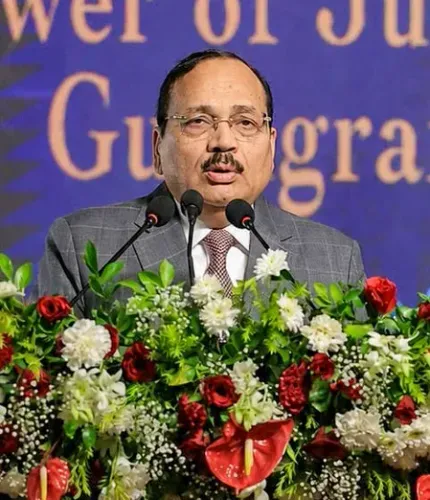
Vijayawada, March 1 (NationPress) Chief Justice of India, Justice Surya Kant, emphasized the necessity for the judiciary to foster mediation practices, highlighting its growing recognition as a viable method for resolving disputes.
He stressed the importance of cultivating a “mediation culture,” asserting that mediation has evolved from being an alternative approach to becoming the preferred method for dispute resolution.
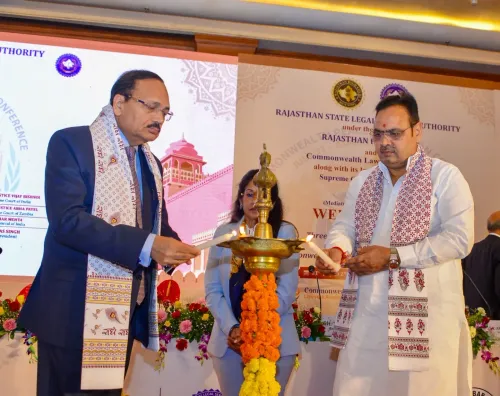
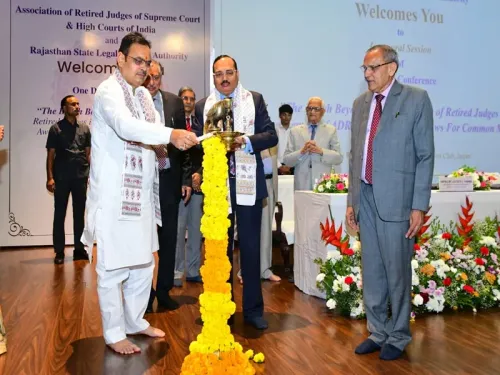
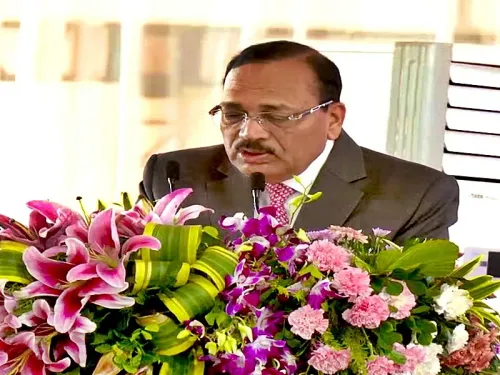
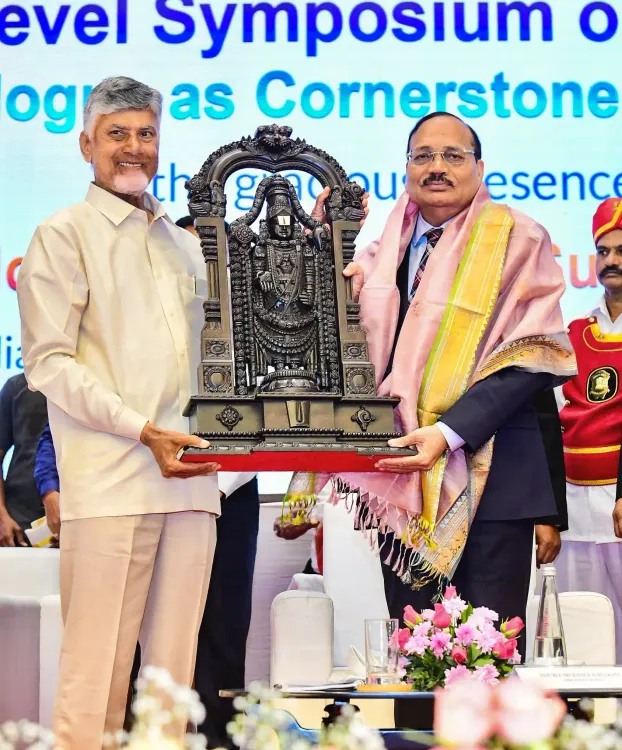
Delivering the keynote address at the State-level symposium titled ‘Mediation: Dialogue as Cornerstone of Justice’, organized by the AP State Legal Services Authority (APSLSA) in Vijayawada, Justice Kant remarked that the Mediation Act of 2023 provides a solid legal framework, ensuring that resolutions achieved through mediation are legally binding.
The Chief Justice pointed out that mediation is an excellent means to alleviate the burden of court cases and facilitate quicker, amicable dispute resolution. He noted that initiatives like specialized family dispute courts have somewhat eased the caseloads.
Justice Surya Kant observed that mediation is gaining traction globally due to its cost-effectiveness and efficiency compared to arbitration.
He urged Bar Associations to advocate for mediation as a conflict resolution strategy. He emphasized that trust in the mediator is crucial for individuals in disputes, and since people have faith in the judiciary, mediation conducted through courts is prioritized.
“Mediation permeates our daily lives. Even significant issues are addressed through mediation,” he stated, indicating that commercial disputes are also being settled through this approach.
Highlighting the significance of mediators' temperament, conduct, and integrity, he underscored the necessity for professional mediators to master the intricacies of mediation to achieve successful outcomes.
Justice Surya Kant remarked that mediation has been a part of Indian tradition for centuries, asserting that it is ingrained in India's cultural fabric with a rich history.
He referenced the efforts of Lord Krishna to mediate peace between the Pandavas and Kauravas as one of the earliest formal mediations.
Supreme Court Judge Justice Jitendra Kumar Maheshwari stated that maintaining relationships through negotiations and mutual consent is preferable to resorting to courts. He pointed out that the Mediation Act - 2023 provides legal recognition, which will help lessen the judiciary's workload.
Chief Justice of Andhra Pradesh High Court, Dheeraj Singh Tagore, noted the government’s full support for the International Mediation Conference held in Visakhapatnam, facilitated by Chief Minister Chandrababu Naidu.
The Chief Minister requested that the Chief Justice of India consider establishing a National Judicial Academy in Amaravati. He expressed commitment to developing the necessary infrastructure for the judicial system in the proposed Justice City, aiming to create the best judicial city in the country by incorporating institutions like the Judicial Academy, Legal Services Authority, Mediation Centre, International Law University, and the Bar Council of India.
The state government is prepared to allocate the requisite land for these institutions and the Chief Minister pledged support for establishing the National Judicial Academy in Amaravati.
Upon a suggestion from the Chief Justice of the High Court, he announced an increase in the incentive for cases resolved through mediation from Rs 3,000 to Rs 10,000, and an incentive of Rs 3,000 will be awarded even for unsuccessful mediation attempts.
Point of View
Chief Justice Surya Kant's call to promote mediation reflects a growing recognition of its effectiveness in resolving disputes. This initiative aligns with global trends towards alternative dispute resolution and aims to alleviate the burdens on the judiciary while fostering a culture of amicable conflict resolution.
NationPress
19 Sept 2026
Frequently Asked Questions
Why is mediation being promoted?
Mediation is being promoted because it offers a quicker, less costly, and more amicable way to resolve disputes compared to traditional court proceedings.
What legal backing does mediation have in India?
Mediation is supported by the Mediation Act of 2023 , which provides a statutory framework and ensures that resolutions reached through mediation are enforceable.
How does mediation benefit the judicial system?
Mediation helps reduce the caseload in courts, allowing for faster resolution of disputes and lessening the burden on the judiciary.
What incentives are provided for mediation in Andhra Pradesh?
The state government has increased the incentive for cases resolved through mediation from Rs 3,000 to Rs 10,000 , with additional incentives for unsuccessful cases.