CM Bhagwant Mann Holds Lok Milni in Patiala's Gajewas Village
Synopsis
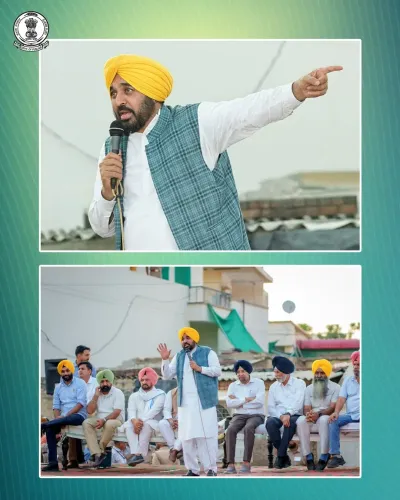
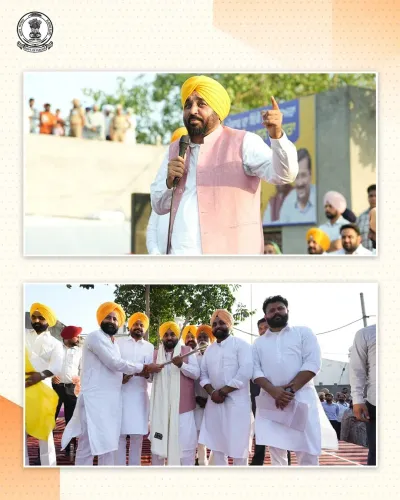
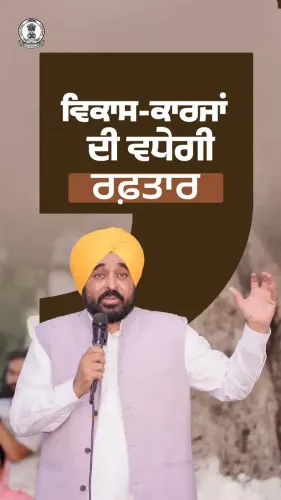
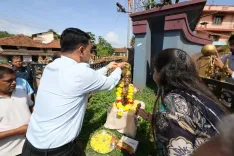
Chief Minister Bhagwant Mann held a Lok Milni in village Gajewas of Patiala's Samana Assembly segment on 27 June 2026, reaffirming the AAP-led Punjab government's focus on directing public funds toward development, schools, hospitals, and roads.
Key Takeaways
CM Bhagwant Mann held a Lok Milni in village Gajewas , Samana Assembly segment, Patiala district , on 27 June 2026 .
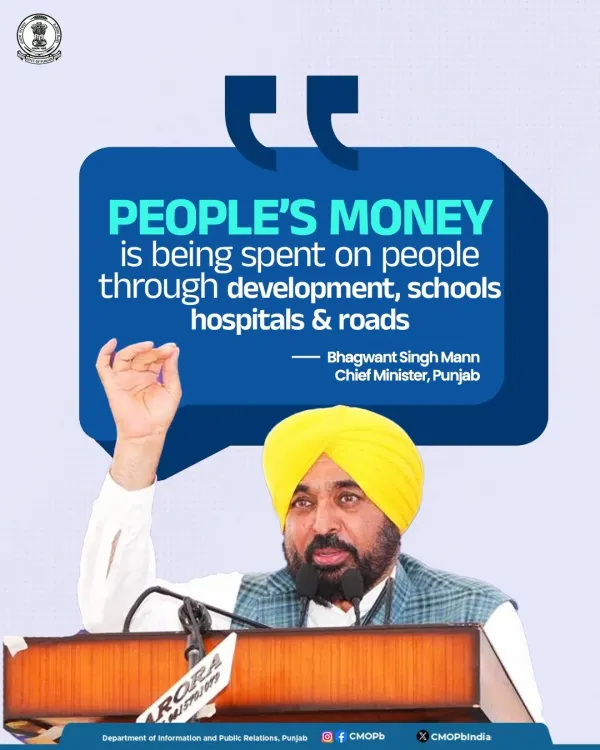
Mann stated that public money is being spent on development, schools, hospitals, and roads .
The Lok Milni format enables direct engagement between the Chief Minister and rural constituents outside formal administrative channels.
The AAP government has prioritised social infrastructure spending since coming to power in Punjab in March 2022 .
Samana is a rural, agriculture-based constituency within Patiala district , making such outreach significant for the government's rural connect.
Upcoming state budget allocations for education and health will be a key measure of whether these commitments are backed by fiscal action.
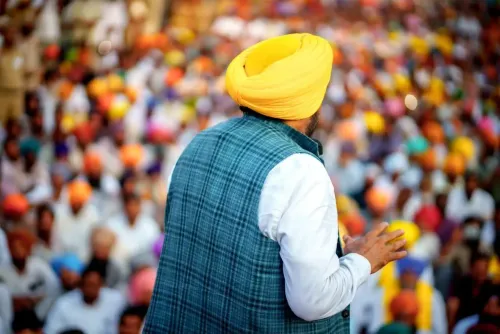
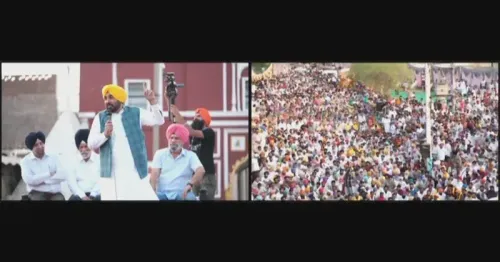
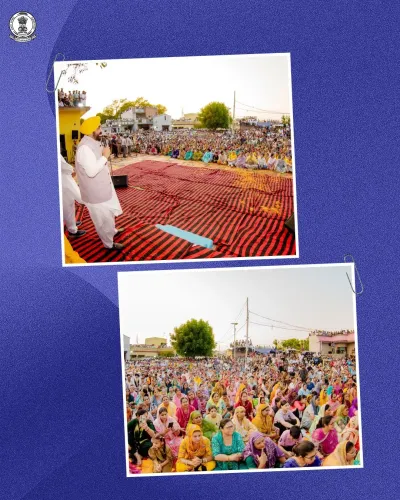
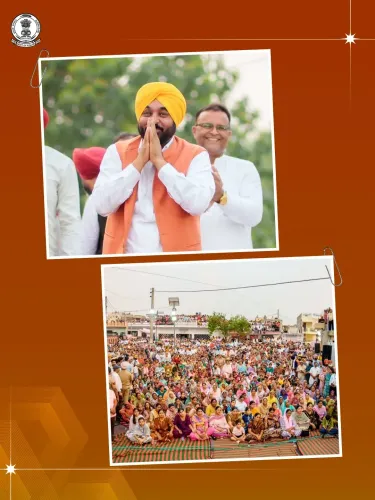
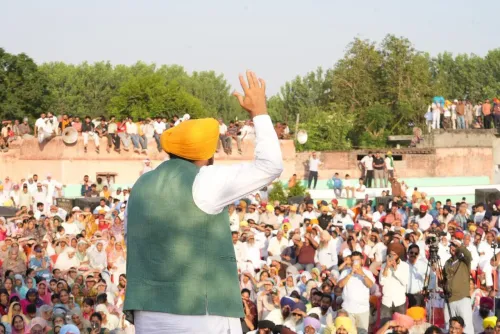
The Chief Minister's Office of Punjab announced on Saturday, 27 June 2026 that Chief Minister Bhagwant Mann held a Lok Milni among residents of village Gajewas in the Samana Assembly segment of Patiala district, reiterating the state government's commitment to channelling public funds into development, schools, hospitals, and roads.
Context
During the gathering, CM Bhagwant Mann underscored what he described as people-centric governance, stating that public money is being spent on development, schools, hospitals, and roads — a message directed squarely at rural constituents in one of Punjab's agriculturally significant districts. The Lok Milni (literally 'people's meeting') format allows the Chief Minister to engage directly with villagers outside the formal administrative apparatus, addressing local grievances and showcasing infrastructure progress on the ground.
Samana is a rural assembly constituency within Patiala district, with an economy rooted in agriculture. Holding such an outreach event here signals the government's intent to maintain a visible presence in constituencies beyond urban centres.
Policy Backdrop
The Aam Aadmi Party (AAP) came to power in Punjab in March 2022 on a platform that prominently featured increased public investment in government schools, Mohalla-clinic-style health facilities, and rural road networks. Since then, the state administration has consistently framed its governance narrative around direct social-infrastructure spending, positioning this as a departure from alleged past patterns of fiscal leakage.
The emphasis on schools, hospitals, and roads at the Gajewas Lok Milni mirrors the party's core electoral pitch — one that has been repeated at similar public outreach events across Punjab's assembly segments. Chief ministers across Indian states routinely use janata darbar and Lok Milni-style formats to demonstrate accountability and local delivery of state schemes.
Stakeholders and Impact
The primary beneficiaries of the governance priorities highlighted at the event are rural residents of Patiala district — farmers, daily-wage workers, and families dependent on government schools and public health infrastructure. For these communities, visible improvements in road connectivity, school quality, and accessible healthcare are tangible markers of state performance.
The broader AAP political base in Punjab watches such outreach events closely, as they serve both a governance function — surfacing local demands — and a political one, reinforcing the party's grassroots connect ahead of future electoral cycles. Opposition parties, meanwhile, are likely to scrutinise whether the spending commitments articulated at such events translate into measurable outcomes in state budget allocations.
What's Next
The Punjab government's stated priorities of education, health, and infrastructure will face their most rigorous test during upcoming state budget presentations and subsequent assembly debates on sectoral allocations. Analysts and civil society groups will track whether outlays for government schools, rural hospitals, and road networks in districts like Patiala reflect the commitments voiced at events such as the Gajewas Lok Milni. The frequency and geographic spread of such public outreach programmes is also expected to intensify as the AAP administration seeks to consolidate its rural support base across Punjab.
Point of View
People-first spending. By personally appearing in a village within Samana, CM Mann signals that the party's outreach is not limited to urban or semi-urban strongholds. The repeated emphasis on schools, hospitals, and roads is deliberate: these are the three domains where AAP differentiated itself from predecessor governments in its 2022 campaign. Whether this translates into sustained rural goodwill will depend on whether budget allocations and on-ground delivery match the rhetoric articulated at events like this one.
NationPress
27 Jun 2026
Frequently Asked Questions
What is a Lok Milni and why does CM Bhagwant Mann hold them?
A Lok Milni is a public meeting format where the Chief Minister meets citizens directly in their localities to hear grievances and highlight government work. CM Bhagwant Mann uses these events to demonstrate the AAP government's grassroots connect and to communicate development achievements to rural communities.
Where is village Gajewas and which assembly segment does it fall under?
Village Gajewas is located in the Samana Assembly constituency within Patiala district in Punjab. Samana is a rural, agriculturally oriented segment.
What did CM Bhagwant Mann say at the Gajewas Lok Milni?
CM Bhagwant Mann stated that public money is being spent on development, schools, hospitals, and roads, framing the Punjab government's approach as people-centric governance.
What are the Punjab government's main development priorities under AAP?
Since coming to power in March 2022, the AAP-led Punjab government has prioritised increased spending on government schools, public health facilities, and rural road infrastructure — commitments drawn from its 2022 election manifesto.
How does the Patiala Lok Milni fit into AAP's broader political strategy in Punjab?
The event is part of a pattern of constituency-level outreach across Punjab, through which the AAP government seeks to maintain direct contact with rural voters and reinforce its narrative of transparent, development-focused governance ahead of future electoral cycles.