CM Bhagwant Mann Launches Census 2027 Self-Enumeration in Punjab
Synopsis
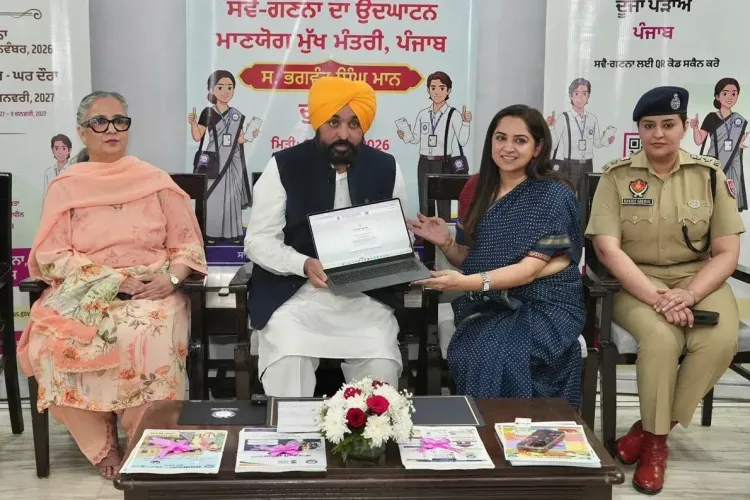
Punjab Chief Minister Bhagwant Mann launched the self-enumeration phase of Census of India 2027 on 16 November, opening an online registration window until 30 November ahead of door-to-door counts from 4 January. He urged all Punjabis to participate and submit accurate data to aid state planning.
Key Takeaways
CM Bhagwant Mann launched the Census 2027 self-enumeration phase in Punjab on 16 November 2026 .
The online self-enumeration window is open from 16 November to 30 November 2026 .
Door-to-door field enumeration will follow, beginning 4 January .
The last completed Census of India was conducted in 2011 , making this the first fresh count in over a decade.
Mann appealed to all Punjabis to participate and register accurate data to support state development planning.
Census data will directly shape Punjab's future welfare schemes, resource allocation, and policy decisions.
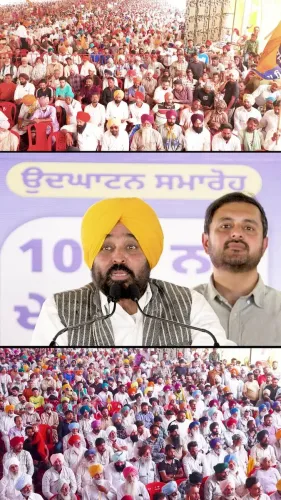
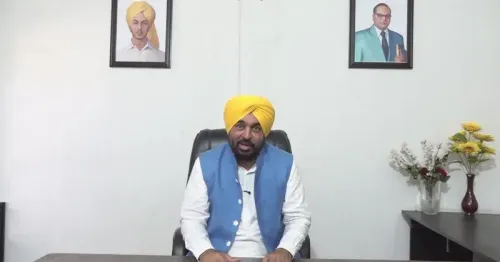
Fourteen years after India's last completed census, Punjab has taken the first digital step toward counting itself again. Punjab Chief Minister Bhagwant Mann on Monday, 16 November 2026, launched the self-enumeration phase of Census of India 2027 in the state, urging every Punjabi to log their household data online from the comfort of their home.
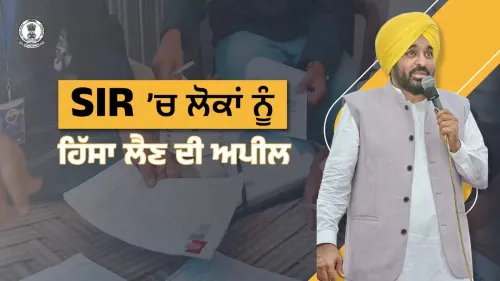
Posting in Punjabi, Mann announced the schedule plainly: the online self-enumeration window runs from 16 November to 30 November 2026, after which door-to-door field enumeration begins from 4 January. 'These figures will play a vital role in shaping the state's future plans and development policies,' he said, appealing to residents to participate wholeheartedly in what he called a kaumai karj — a national duty.What self-enumeration means for Punjab households
For the first time in India's census history, citizens can register their own household details digitally before an enumerator arrives at their door. The two-week online window — running through 30 November — lets residents fill in demographic, educational, and housing information at their own pace. The move is part of a broader national design to ease the logistical burden of field operations and improve data accuracy by giving citizens a first pass at their own records.
The 2011 gap and why the 2027 count carries extra weight
India's decennial census is the bedrock of government planning — from delimiting parliamentary constituencies to allocating central funds for health, education, and infrastructure. The last completed census dates to 2011, meaning over a decade of demographic shifts — migration, urbanisation, fertility changes — have gone unmeasured at the official level. For a state like Punjab, which has seen significant emigration patterns and agricultural transformation, accurate 2027 figures will recalibrate resource allocation and policy targeting in ways that the ageing 2011 data simply cannot.
Mann's appeal and what comes next
Mann directly addressed Punjab's residents, asking them to 'participate enthusiastically in this national exercise and support the government by registering accurate data.' The call matters: census quality hinges on response rates, and digitally enabling self-enumeration reduces both the chance of enumerator error and the chance of a household being missed entirely. After the online phase closes, field teams will begin house-to-house visits from 4 January, verifying and completing records for those who did not self-enumerate.
When the provisional data eventually flows to state planners, it will inform everything from new school locations to welfare scheme beneficiary lists. The 2027 census is not just a headcount — it is the data infrastructure on which Punjab's next decade of governance will be built.
Point of View
Bhagwant Mann positions his government as a proactive partner in a central exercise that has long suffered from political indifference at the state level. The move is strategically sound: accurate census data strengthens a state's case for higher central fund allocations, more parliamentary seats post-delimitation, and targeted welfare delivery — all of which matter enormously to a government that has staked its identity on governance efficiency. At a national level, the 2027 census carries unusual political salience because the data will feed into the delimitation exercise that redetermines Lok Sabha seat distribution, making every state's participation rate a quietly high-stakes affair.
NationPress
16 Nov 2026
Frequently Asked Questions
What is the Census 2027 self-enumeration process in Punjab?
It is an online phase of India's national census where Punjab residents can register their own household details digitally from home between 16 November and 30 November 2026, before field enumerators conduct door-to-door visits.
When does the online self-enumeration window close in Punjab?
The online self-enumeration window closes on 30 November 2026.
When will door-to-door census enumeration begin in Punjab?
House-to-house enumeration in Punjab is scheduled to begin on 4 January, following the close of the online self-enumeration phase.
Why is the Census 2027 so important for India?
India's last completed census was in 2011, leaving over a decade of demographic change unrecorded. The 2027 data will be used for welfare scheme planning, resource allocation, and the upcoming delimitation of parliamentary constituencies.
What did CM Bhagwant Mann say about the census?
Mann called the census a 'national duty' and urged all Punjabis to participate enthusiastically and submit accurate data so the government can build better development policies and future plans for the state.