CM Dhami meets devotees, pledges to protect Uttarakhand's religious heritage
Synopsis
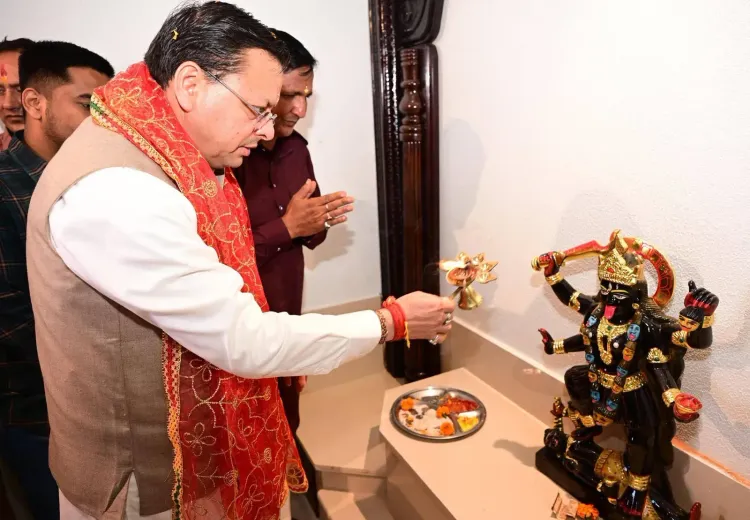
Uttarakhand CM Pushkar Singh Dhami met devotees at a religious event on November 16, 2026, pledging sustained government commitment to conserving the state's temples and spiritual heritage — framing Devbhoomi's sacred identity as a governance priority.
Key Takeaways
CM Pushkar Singh Dhami attended a religious gathering on November 16, 2026 and personally met with devotees to inquire about their welfare.
Dhami reaffirmed his government's 'continuous commitment' to conserving and promoting Uttarakhand's temples, centres of faith, and religious heritage .
Senior local officials — District Panchayat President Ajay Maurya , Mayor Vikas Sharma , and Municipal Council President Ramesh Chandra Joshi — were present at the event.
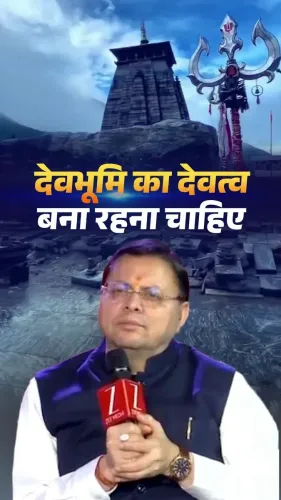
Uttarakhand , known as Devbhoomi , is home to the Char Dham pilgrimage circuit and positions religious heritage as central to both cultural identity and tourism.
Successive state governments, including Dhami's BJP administration since 2021 , have linked temple preservation to economic and cultural policy.
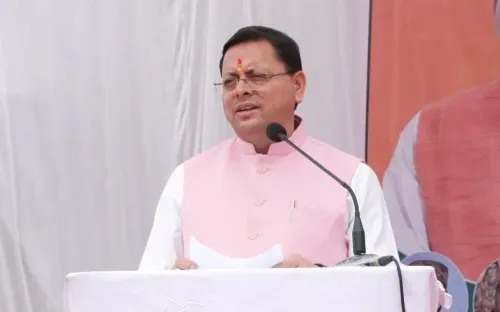
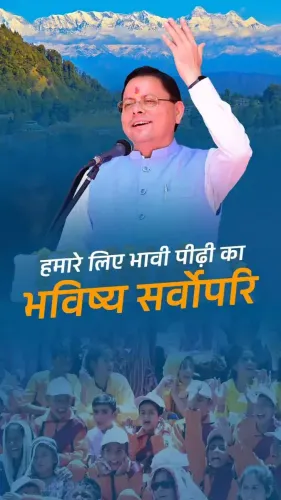
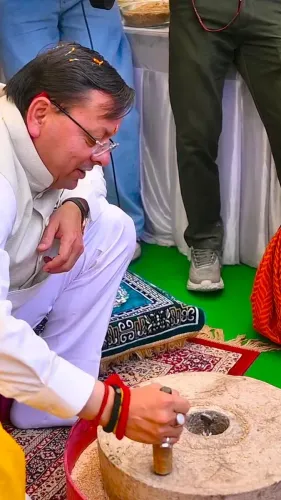
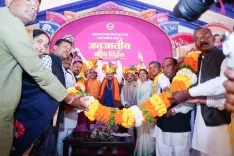
At a religious gathering in Uttarakhand, Chief Minister Pushkar Singh Dhami on Monday, November 16, 2026, met with devotees, inquired about their well-being, and reaffirmed his government's commitment to preserving the state's temples and spiritual landmarks — the very sites that earn this Himalayan state its sacred identity as Devbhoomi.
Dhami posted on X, stating: 'On this occasion, I met with the devotees and inquired about their welfare. The rich religious and spiritual traditions of Devbhoomi Uttarakhand are the foundation of our cultural identity. Our government is continuously committed to the conservation and promotion of the state's temples, centres of faith, and religious heritage.'
Devbhoomi's spiritual economy — more than just faith
The term Devbhoomi — 'land of the gods' — is not merely poetic. Uttarakhand is home to some of Hinduism's most revered pilgrimage circuits, including the Char Dham sites of Badrinath, Kedarnath, Gangotri, and Yamunotri. Successive state governments have positioned religious heritage as a twin engine powering both cultural identity and tourism revenue, and Dhami's BJP administration has made this linkage especially explicit since he took office in 2021.
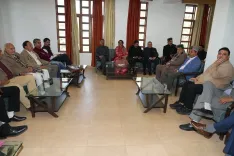
The gathering also brought together senior local representatives: District Panchayat President Ajay Maurya, Mayor Vikas Sharma, and Municipal Council President Ramesh Chandra Joshi were among the dignitaries present — a signal that the state's commitment to religious infrastructure runs from the chief minister's office down to municipal governance.
A government on record for temple conservation
Dhami's administration has consistently framed temple restoration and pilgrimage infrastructure as a governance priority, not just a cultural gesture. Official policy in Uttarakhand has linked the preservation of ashrams, shrines, and heritage sites to both tourism promotion and community identity. With state budget cycles ahead, watchers of Uttarakhand policy will note whether this renewed public commitment translates into fresh allocations for temple restoration or Char Dham corridor development.
For now, the chief minister's direct engagement with pilgrims — listening, greeting, and pledging — sends a message that is as much about governance visibility as it is about spiritual stewardship. In a state where faith and footfall are inseparable, that is a signal worth reading carefully.
Point of View
Whose economy leans heavily on pilgrimage tourism, the promise of sustained state investment in religious infrastructure carries real policy stakes. The presence of district-level elected officials alongside the chief minister also signals that this is a coordinated political messaging exercise, not a spontaneous visit. The test, as always, will come in the budget numbers.
NationPress
16 Nov 2026
Frequently Asked Questions
What did CM Dhami say about Uttarakhand's religious heritage?
CM Pushkar Singh Dhami stated that the rich religious and spiritual traditions of Devbhoomi Uttarakhand are the foundation of the state's cultural identity, and that his government is committed to conserving and promoting the state's temples, centres of faith, and religious heritage.
What is Devbhoomi and why is it significant?
Devbhoomi, meaning 'land of the gods', is a popular name for Uttarakhand due to its concentration of major Hindu pilgrimage sites, including the Char Dham circuit comprising Badrinath, Kedarnath, Gangotri, and Yamunotri.
Who were the officials present at the event with CM Dhami?
District Panchayat President Ajay Maurya, Mayor Vikas Sharma, and Municipal Council President Ramesh Chandra Joshi were among the dignitaries present alongside CM Dhami at the religious gathering.
What is the Uttarakhand government's policy on temple conservation?
The Uttarakhand government under CM Dhami has consistently prioritised the preservation of temples, ashrams, and pilgrimage infrastructure, linking religious heritage conservation to both cultural promotion and tourism development in the state.
When did Pushkar Singh Dhami become Chief Minister of Uttarakhand?
Pushkar Singh Dhami became Chief Minister of Uttarakhand in 2021 and has since led the BJP government in the state.