MP CM Yadav: 20.50 Lakh Forest Land Registries Done, Target 50 Lakh
Synopsis
Madhya Pradesh CM Dr. Mohan Yadav announced that 20.50 lakh formal property registries have been completed for forest rights title holders and Swamitva-listed beneficiaries, with the state targeting 50 lakh total registrations to secure tribal land ownership.
Key Takeaways
20.50 lakh registries completed so far under MP's drive to convert provisional forest-land pattas into permanent ownership deeds.
The state's total target is 50 lakh registries , covering both Van Adhikar patta holders and Swamitva-record beneficiaries.
The legal framework is the Scheduled Tribes and Other Traditional Forest Dwellers (Recognition of Forest Rights) Act, 2006 .
Madhya Pradesh has one of India's largest tribal populations — over 21 per cent of the state — making secure land tenure central to economic welfare.
Formal registration unlocks bank credit, insurance, and government welfare schemes that require proof of property for eligibility.
The Ministry of Tribal Affairs and MP's Tribal Welfare Department are listed as collaborating bodies in the initiative.
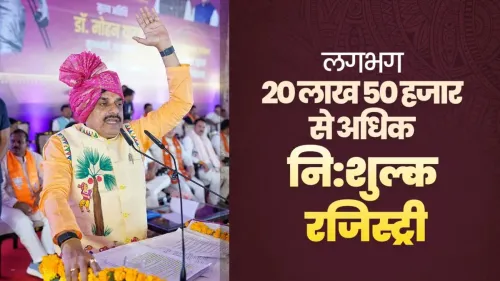
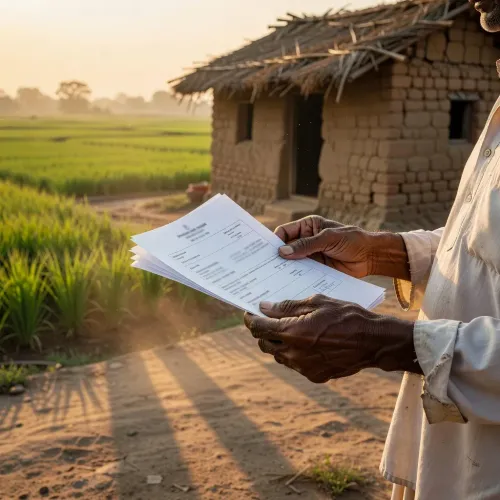
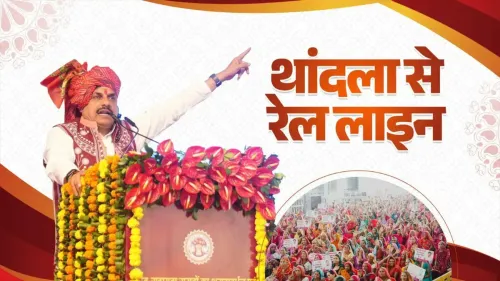
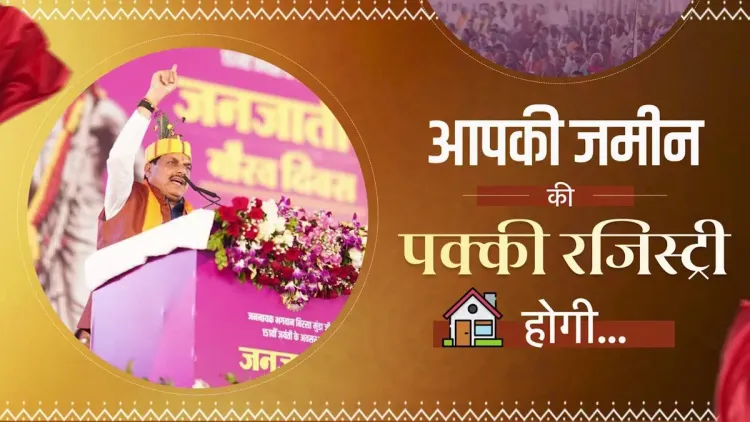
Millions of forest-dwelling families in Madhya Pradesh are moving from provisional pattas to permanent property rights — and the state's Chief Minister just put a number on how far that journey has come. The Chief Minister's Office of Madhya Pradesh announced on Monday, 16 November 2026 that 20.50 lakh registries have already been completed under a drive to give pakki registry (formal ownership deeds) to van adhikar pattadhariyों — forest rights title holders — and those listed in Swamitva land records.
CM Dr. Mohan Yadav confirmed the milestone while also setting the larger ambition in plain view: the government's declared target is 50 lakh registries — covering eligible beneficiaries identified both under the Forest Rights Act and the Swamitva property-survey records.From Patta to Permanent Deed: What the Drive Actually Means
The legal backbone for this push is the Scheduled Tribes and Other Traditional Forest Dwellers (Recognition of Forest Rights) Act, 2006 — a landmark Central law that acknowledged the historical tenure rights of communities living in and off forest land. For two decades, implementation was patchy: many families held provisional pattas but could not use them as collateral for loans or as legally enforceable ownership proof. The MP government's current drive converts those provisional claims into formal, registered ownership deeds — the kind that unlock bank credit, government welfare entitlements, and dispute-resolution through civil courts.
Reaching 20.50 lakh completed registries out of a 50 lakh target means the state has cleared roughly 41 per cent of its stated goal. That is a substantial operational achievement: each registry requires land-record verification, eligibility cross-checking, and document execution at the sub-registrar level across a geographically sprawling state.
MP's Tribal Stakes — and Why Scale Matters
Madhya Pradesh is home to one of India's largest tribal populations, with Scheduled Tribes accounting for over 21 per cent of the state's population. For these communities, secure land tenure is not an administrative formality — it is the foundation of economic participation. Without a registered title, a farmer cannot easily access institutional credit, insurance, or the full suite of central welfare schemes that require proof of property.
The Ministry of Tribal Affairs and the Tribal Welfare Department of MP are listed as collaborating bodies in the initiative, signalling coordinated Central-state implementation. Similar large-scale patta regularisation drives have been carried out in Chhattisgarh and Odisha, states that share high tribal-population profiles, but Madhya Pradesh's 50-lakh target is among the most ambitious announced by any single state.
The Road from 20.50 Lakh to 50 Lakh
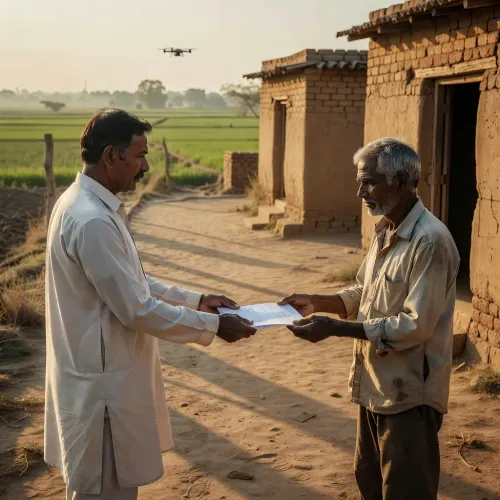
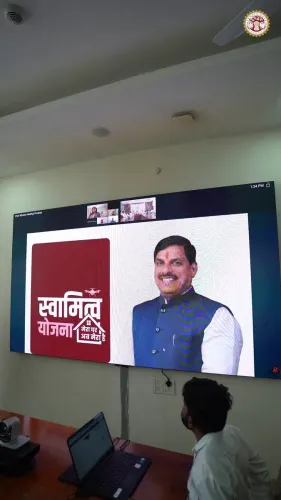
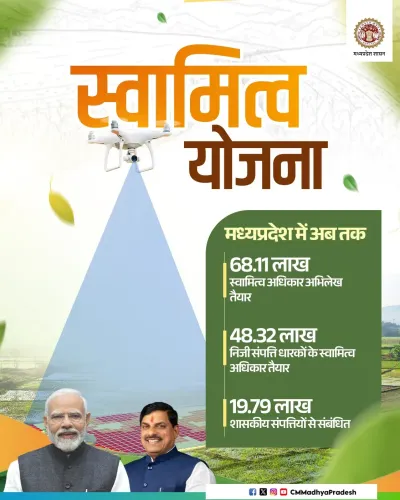
Closing the remaining gap — roughly 29.50 lakh registries still to be executed — will test the state's administrative bandwidth at the district and tehsil level. Officials will need to navigate pending land disputes, missing documentation, and digitisation gaps in older revenue records. The potential integration with the Central government's SVAMITVA scheme — which drones-maps inhabited village land and issues property cards — could accelerate verification for Swamitva-listed beneficiaries.
What is already clear: for every family that receives a pakki registry, a generation of legal uncertainty ends on that day.
Point of View
The state also de-risks a long-standing implementation failure of the 2006 Forest Rights Act, which had stalled at the patta-issuance stage in many districts for years. The Central-state coordination visible here — with the Ministry of Tribal Affairs and SVAMITVA in the frame — suggests this could become a template for other high-tribal states ahead of the next general election cycle. The 50-lakh target's credibility will ultimately be judged by independent land-rights monitors, not government press releases.
NationPress
16 Nov 2026
Frequently Asked Questions
What is the Van Adhikar patta registration drive in Madhya Pradesh?
It is a state government initiative to convert provisional forest-land titles (pattas) granted under the Forest Rights Act 2006 into formal, registered ownership deeds, giving tribal and other traditional forest dwellers legally enforceable property rights.
How many registries have been completed in MP's forest land drive?
As of 16 November 2026 , 20.50 lakh registries have been completed. The state's overall target is 50 lakh registries .
Who is eligible for pakki registry under this scheme?
Eligibility covers two categories: holders of Van Adhikar pattas issued under the Forest Rights Act 2006, and individuals listed as eligible beneficiaries in Swamitva property-survey records.
What is the Forest Rights Act 2006 and why does it matter?
The Scheduled Tribes and Other Traditional Forest Dwellers (Recognition of Forest Rights) Act, 2006 is a Central law that recognised the land and livelihood rights of communities living in forest areas. It allows eligible residents to receive formal title to land they have traditionally cultivated or occupied.
How does a formal registry help tribal families beyond land ownership?
A registered property deed enables tribal families to use the land as collateral for bank loans, access crop insurance, and qualify for government welfare schemes that require documented proof of property, significantly expanding their economic options.