CM Yogi Launches UP's Digital Census-2027 Drive in Lucknow
Synopsis
Chief Minister Yogi Adityanath on 16 November 2026 launched Phase II of Census-2027 — India's first digital census — in Lucknow, combining self-enumeration with door-to-door drives across Uttar Pradesh to build a data foundation for state-wide development planning.
Key Takeaways
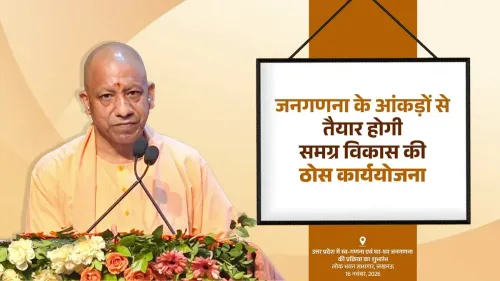
CM Yogi Adityanath launched Phase II of Census-2027 at Lok Bhawan auditorium, Lucknow on 16 November 2026 .
Census-2027 is described as the world's largest and India's first fully digital census , combining self-enumeration and house-to-house data collection.
The Chief Minister stated the data will form the basis of 'concrete and effective action plans for the holistic development of Uttar Pradesh.' India's last complete census was in 2011 ; the 2021 round was postponed, leaving planners reliant on 15-year-old data.
Uttar Pradesh , India's most populous state, is a critical testing ground for the digital census model before national rollout.
Census data will directly influence central fund devolution, welfare scheme targeting, and eventual electoral delimitation.
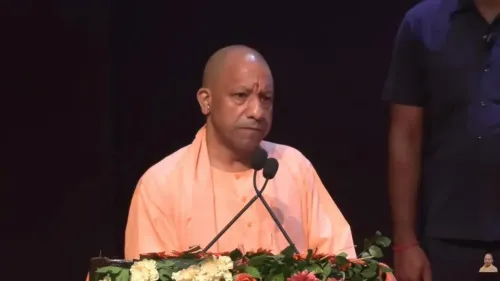
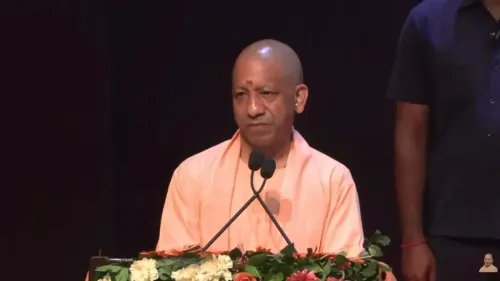
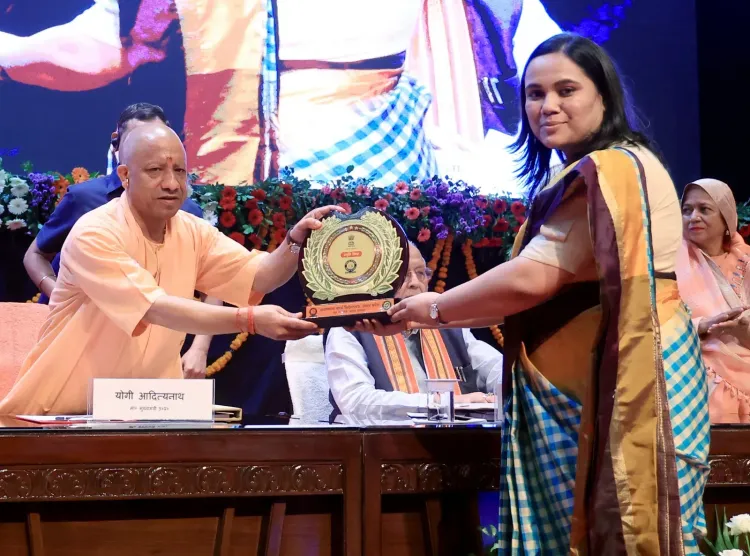
India's most populous state just fired the starting gun on the world's largest digital census exercise. Chief Minister Yogi Adityanath formally launched the self-enumeration and house-to-house census process for Uttar Pradesh under Phase II of Census-2027 at Lok Bhawan auditorium, Lucknow, on Monday, 16 November 2026 — marking the first time the country's decennial headcount will be conducted through a fully digital framework.
What Census-2027 means for UP's 240 million residents
Speaking at the launch, the Chief Minister underlined the stakes clearly: 'जनगणना-2027 हम सभी के लिए अत्यंत महत्वपूर्ण है' — 'Census-2027 is extremely important for all of us.' He added that the data gathered would play a decisive role in shaping 'concrete and effective action plans for the holistic development of the state.' That is not routine political boilerplate. Census figures are the bedrock on which central fund devolution, welfare scheme targeting, and electoral delimitation are built — and no state has more riding on accurate numbers than Uttar Pradesh.
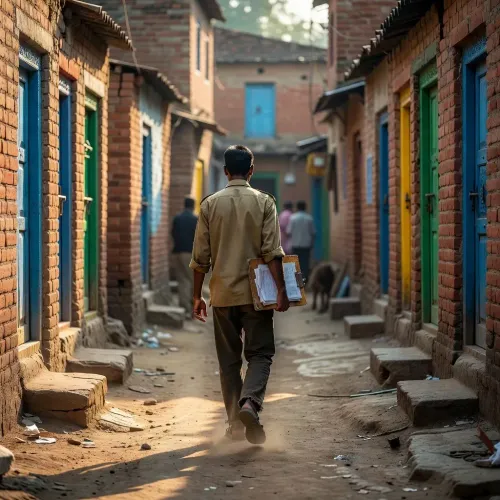
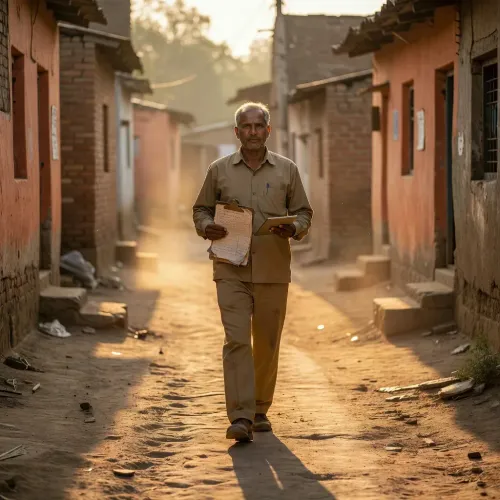
The exercise combines two distinct arms: a self-enumeration window, where residents fill in their own household data digitally, and a traditional door-to-door field operation for those who cannot or do not complete the self-count. Together, the hybrid model is designed to maximise both reach and accuracy — a direct response to the limitations exposed when the 2021 Census round was indefinitely postponed, leaving planners and policymakers working off data that is now 15 years old.
A census overdue by half a decade
India's last complete decennial count was the Census of 2011. The 2021 edition — which would have been the first to pilot digital methods — was first deferred because of COVID-19 and never formally rescheduled, creating an unprecedented data vacuum. Every major welfare scheme, infrastructure allocation, and parliamentary constituency boundary drawn in the interim has rested on projections extrapolated from figures that predate smartphones being ubiquitous in rural India.
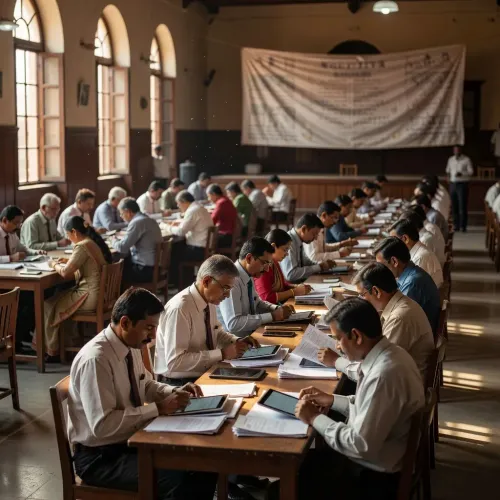
The Registrar General of India has since redesigned the census architecture around digital platforms, moving enumeration forms to mobile applications and enabling cloud-based data aggregation. Uttar Pradesh, as the state with the largest share of India's population, becomes a critical proving ground: if the digital model works at UP's scale, it scales nationally.
Phase II kicks off — what comes next
Monday's Lucknow launch marks Phase II of the Census-2027 rollout, specifically covering UP's self-enumeration and house-to-house drives. The phased approach allows field teams to be trained and deployed in waves, reducing the logistical bottleneck that dogged paper-based counts. Once provisional data begins flowing in, it will feed directly into state planning documents, the next Finance Commission cycle, and — eventually — the redrawing of parliamentary and assembly constituencies.
For a state whose development indicators span a vast spectrum — from aspirational districts in the east to booming industrial corridors in the west — granular, real-time demographic data could genuinely reshape how money and policy flow. That is the promise CM Yogi placed at the centre of Monday's launch. Whether the digital infrastructure delivers on it at scale is the question the coming months will answer.
Point of View
Any government that successfully delivers fresh numbers gains a powerful claim to administrative competence. For CM Yogi, anchoring UP as the launch state for the digital model positions the state as a governance exemplar ahead of the next assembly cycle. The real test, however, lies in field execution: whether a state of UP's demographic complexity can sustain digital enumeration at scale will determine whether Census-2027 becomes a template or a cautionary tale.
NationPress
16 Nov 2026
Frequently Asked Questions
What is Census-2027 in India?
Census-2027 is India's next decennial population count, designed as the country's first fully digital census. It combines a self-enumeration window — where residents fill in household data digitally — with a traditional house-to-house field operation, overseen by the Registrar General of India.
Why was India's census delayed from 2021?
The 2021 Census round was originally deferred due to the COVID-19 pandemic and was never formally rescheduled, leaving India operating on demographic data from the 2011 Census for over 15 years.
What did CM Yogi Adityanath say at the Census-2027 launch?
Chief Minister Yogi Adityanath said Census-2027 is 'extremely important for all of us' and that the data collected will play a decisive role in preparing concrete and effective action plans for the holistic development of Uttar Pradesh.
Where was the Census-2027 UP launch held?
The Phase II launch of Census-2027 for Uttar Pradesh was held at Lok Bhawan auditorium in Lucknow on 16 November 2026 .
How does a digital census work in India?
India's digital census allows residents to self-enumerate by filling in household details through a mobile application, while field enumerators conduct door-to-door visits for those who do not complete self-enumeration, with data aggregated through cloud-based platforms managed by the Registrar General of India.