CM Yogi Directs Full Census Coverage for UP's Vulnerable Groups
Synopsis
Chief Minister Yogi Adityanath directed Uttar Pradesh officials to ensure no one is missed in the national census, specifically naming migrant workers, tenants, remote-settlement residents, persons living alone, and senior citizens as priority outreach groups.
Key Takeaways
CM Yogi Adityanath issued a census-coverage directive on November 16, 2026 via the Chief Minister's Office of Uttar Pradesh.
The directive specifically names five vulnerable groups : residents of remote settlements, tenants, migrant workers, persons living alone, and senior citizens.
Uttar Pradesh is India's most populous state, making its enumeration accuracy critical to national data and resource allocation.
India's census draws statutory authority from the Census Act, 1948 ; the last completed exercise was in 2011 .
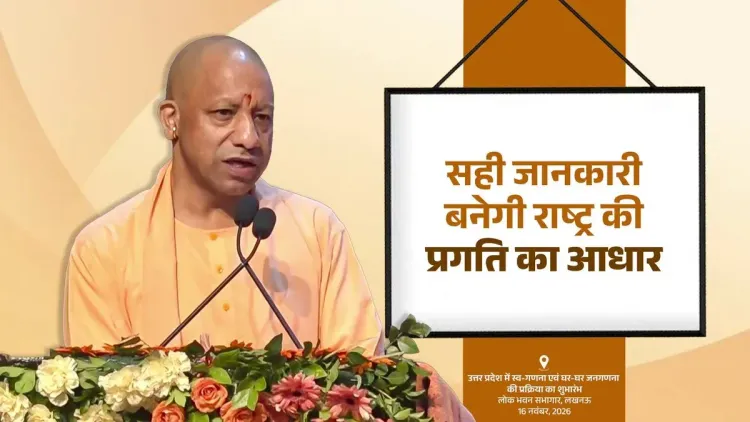
The CM framed participation as a national duty , saying accurate data forms the foundation of the nation's progress.
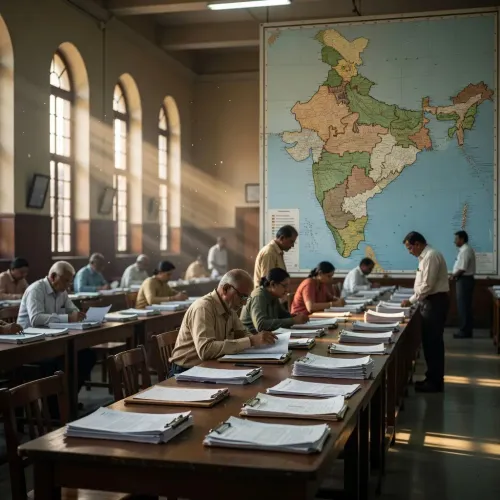
No one left uncounted — that is the directive Chief Minister Yogi Adityanath issued on Monday, November 16, 2026, as the Chief Minister's Office of Uttar Pradesh called for special outreach to reach the state's most hard-to-count populations during the ongoing national census exercise.
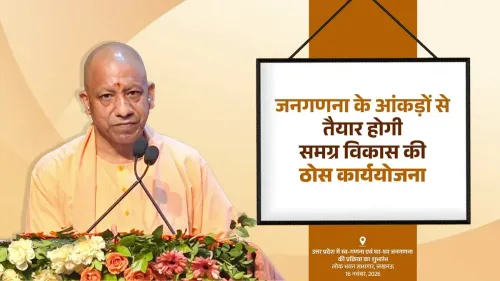
Posting on X, the Chief Minister's Office quoted CM Yogi Adityanath directly: 'जनगणना एक राष्ट्रीय कार्य है' ('The census is a national duty'). The directive went further — instructing enumeration teams to actively seek out residents of remote settlements, tenants, migrant workers, persons living alone, and senior citizens, groups that historically slip through the cracks of large-scale headcounts.
Why UP's count carries national weight
Uttar Pradesh is India's most populous state, and its data alone shapes national averages in health, education, and poverty metrics. An undercount here does not stay local — it distorts the allocation of central funds and welfare entitlements for hundreds of millions of people. Getting the numbers right in UP is, in a very real sense, getting them right for India.
The Census of India draws its statutory authority from the Census Act, 1948, which mandates participation and accurate self-reporting. The last fully completed enumeration was in 2011, making the current exercise long-overdue and carrying an unusually heavy burden of planning data for the intervening years of demographic and economic change.
The populations CM Yogi specifically named
The directive is notable for how specific it is. Rather than a generic 'reach everyone' appeal, CM Adityanath named five distinct groups: residents of distant or remote settlements (दूरस्थ बस्तियों), tenants (किराएदारों), migrant labourers (प्रवासी श्रमिकों), individuals living alone, and senior citizens. Each group presents a different logistical challenge — migrants may be absent from registered addresses, tenants may be unlisted on housing records, and elderly residents in rural areas may lack the mobility or awareness to present themselves for enumeration.
Indian state governments routinely issue such appeals during census periods, but the explicitness of this list signals a deliberate, targeted push rather than a ceremonial nudge. The Chief Minister framed it as a matter of national progress: 'Your correct information will form the foundation of the nation's advancement.'
The phased rollout of enumeration across UP's 75 districts will now be watched for coverage rates — particularly in dense urban pockets and far-flung rural clusters where these vulnerable categories concentrate. The directive puts district administrations on notice: exclusion is not an administrative accident the state is willing to accept.
Point of View
The Yogi government is implicitly acknowledging where past exercises have fallen short. For the BJP-led state government, accurate census data also carries political stakes — UP's population figures directly influence delimitation of parliamentary constituencies. The push for complete coverage is both a governance imperative and a signal that the state intends to be seen as a model of administrative seriousness in a long-delayed national exercise.
NationPress
16 Nov 2026
Frequently Asked Questions
What did CM Yogi Adityanath say about the census?
CM Yogi Adityanath called the census a national duty and directed officials to ensure special outreach to migrant workers, tenants, senior citizens, persons living alone, and residents of remote settlements so no one is left uncounted.
Which groups did CM Yogi say should be specially covered in the census?
The directive specifically named residents of distant or remote settlements, tenants, migrant labourers, individuals living alone, and senior citizens as groups requiring targeted outreach.
Why is Uttar Pradesh important for the Census of India?
Uttar Pradesh is India's most populous state, and its census data significantly influences national averages for health, education, and poverty metrics, as well as the allocation of central government funds and welfare schemes.
What is the legal basis for India's census?
India's decennial census is governed by the Census Act, 1948, which provides the statutory framework for data collection and mandates participation. The last fully completed census was conducted in 2011.
Why do migrant workers and tenants often get missed in the census?
Migrant workers may be absent from their registered home addresses during enumeration, while tenants often go unlisted on official housing records, making both groups prone to being excluded from the headcount without active outreach.