MP CM Mohan Yadav: ₹4,000 Cr for Tribal Areas in 20 Days
Synopsis
On Janjatiya Gaurav Diwas, Madhya Pradesh CM Mohan Yadav announced nearly ₹4,000 crore in tribal-area development works delivered over 20 days, focusing on irrigation, drinking water, and industrial growth across Scheduled Tribe districts.
Key Takeaways
The Chief Minister's Office of Madhya Pradesh announced nearly ₹4,000 crore in development works for tribal areas over the preceding 20 days .
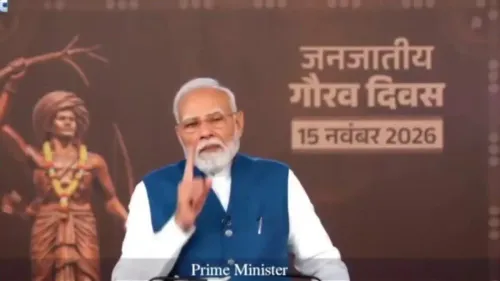
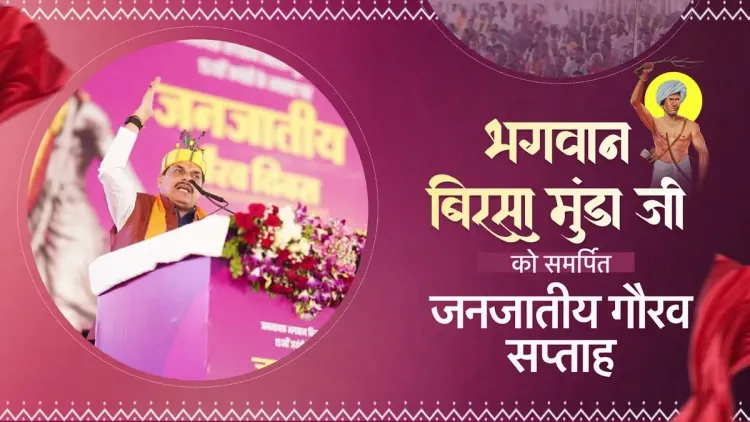
The announcement was made on Janjatiya Gaurav Diwas, 15 November — Bhagwan Birsa Munda's birth anniversary — a national observance instituted in 2021 .
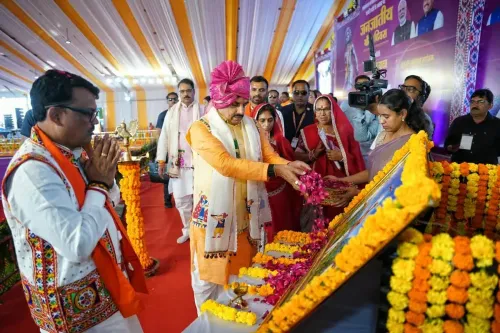
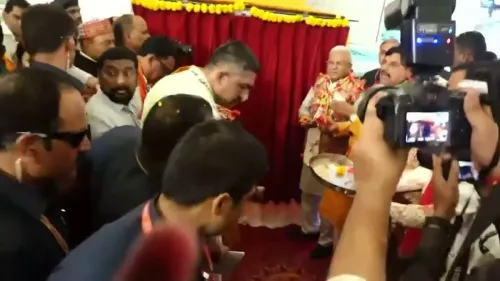
Three-day celebratory programmes were held at scale across the state to mark the occasion.
Mohan Yadav named irrigation, drinking water, and industrial development as the three pillars of the state's tribal welfare push.
Madhya Pradesh has an ST population exceeding 21 percent , with key tribal districts including Jhabua, Alirajpur , and Dindori .
Implementation progress on the announced projects will be tracked in the forthcoming state budget cycle and assembly sessions.
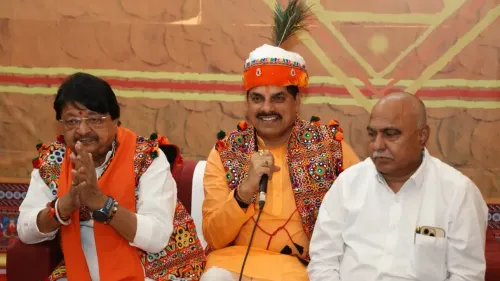
Tribal welfare just moved from pledge to price tag in Madhya Pradesh. On the occasion of Janjatiya Gaurav Diwas and the birth anniversary of Bhagwan Birsa Munda, the Chief Minister's Office of Madhya Pradesh announced on Monday, 16 November 2026 that tribal regions across the state had received development works worth nearly ₹4,000 crore over the preceding 20 days.
Chief Minister Dr. Mohan Yadav, quoting the post, stated: 'Janjatiya kshetron ko karib ₹4,000 crore ke vikas karyon ki saugaat di gayi hai' — 'tribal areas have been gifted development works worth nearly ₹4,000 crore.' He framed irrigation, drinking water, and industrial development as the three pillars of a standing commitment to reach every corner of the state.
Birsa Munda's legacy, three days of programmes
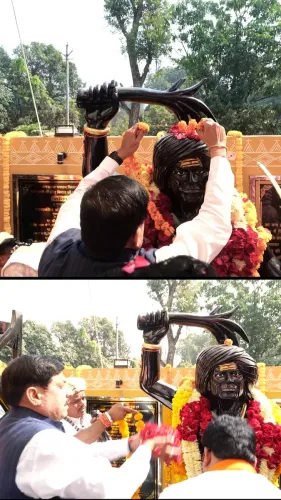
The announcement came at the close of a three-day observance held at scale across Madhya Pradesh to mark 15 November — the birth anniversary of Birsa Munda, the 19th-century Munda tribal leader whose Ulgulan ('Great Tumult') movement challenged British colonial exploitation across the Chota Nagpur plateau. The Government of India declared 15 November as Janjatiya Gaurav Diwas in 2021, institutionalising the anniversary as a national day of recognition for tribal heritage and contribution.
Madhya Pradesh, with a Scheduled Tribe population exceeding 21 percent, has long been a focal state for tribal welfare spending. Key tribal-majority districts include Jhabua, Alirajpur, and Dindori — regions where baseline infrastructure gaps in water supply and irrigation have historically been acute.
Irrigation, water, and industry: the three-pronged push
CM Yadav's post explicitly named irrigation, drinking water, and industrial development as the vehicles for delivering this round of investment. The pairing of water infrastructure with industrial intent signals an attempt to move beyond subsistence-level welfare and seed economic activity in tribal belts. That combination — utility infrastructure plus livelihood investment — mirrors the broader national framework promoted by the Ministry of Tribal Affairs under which states have been aligning their own spending.
The ₹4,000 crore figure covers development works announced or initiated over a compressed 20-day window, timed to coincide with the run-up to and celebration of Janjatiya Gaurav Diwas. Whether the physical progress on irrigation canals, pipelines, and industrial corridors matches the announced outlay will become clearer in the next state budget cycle and assembly sessions — the real test of whether the commitment holds beyond the ceremonial calendar.
Point of View
000 crore announcement, timed to Janjatiya Gaurav Diwas, reflects how states with large ST populations are increasingly using the national tribal-heritage calendar as a political and administrative anchor for welfare spending. For CM Mohan Yadav, the optics of delivery — a specific rupee figure over a defined 20-day window — signal a shift from aspirational language toward accountability framing. Madhya Pradesh's emphasis on irrigation and industrial investment in tribal belts also aligns with the Centre's push to move tribal welfare beyond food and education toward productive assets. The real political dividend, however, will depend on verified, ground-level progress rather than the announcement itself.
NationPress
16 Nov 2026
Frequently Asked Questions
What is Janjatiya Gaurav Diwas and why is it celebrated on 15 November?
Janjatiya Gaurav Diwas is a national observance held every year on 15 November , the birth anniversary of tribal leader Bhagwan Birsa Munda . The Government of India instituted it in 2021 to recognise the contributions and heritage of India's tribal communities.
How much development funding did Madhya Pradesh announce for tribal areas in November 2026?
The Chief Minister's Office of Madhya Pradesh announced development works worth nearly ₹4,000 crore for tribal regions, delivered over a 20-day period leading up to and including Janjatiya Gaurav Diwas 2026.
Who was Bhagwan Birsa Munda?
Bhagwan Birsa Munda was a 19th-century tribal leader from the Munda community in the Chota Nagpur plateau who led the Ulgulan ('Great Tumult') movement against British colonial exploitation. He is revered as a folk hero and freedom fighter across India's tribal communities.
What sectors is Madhya Pradesh targeting for tribal development?
CM Dr. Mohan Yadav specifically named irrigation, drinking water, and industrial development as the three focus areas through which the state aims to extend development to every tribal region.
Which tribal districts in Madhya Pradesh are covered by these development programmes?
Madhya Pradesh's tribal development initiatives target Scheduled Tribe-majority districts including Jhabua, Alirajpur , and Dindori , among others. The state has an ST population exceeding 21 percent of its total population.