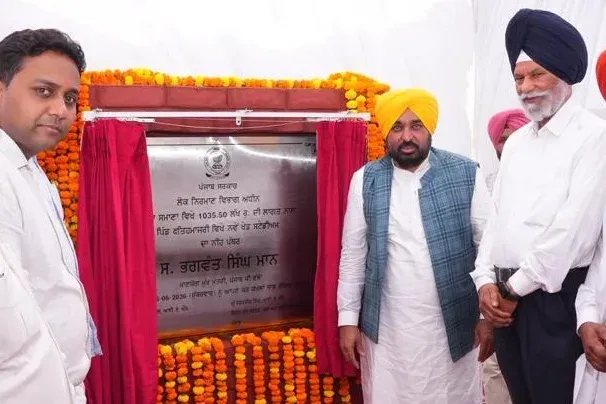
CM Bhagwant Mann Lays Foundation Stone for Sports Complex in Fateh Majri
Synopsis
Punjab Chief Minister Bhagwant Mann laid the foundation stone of a new sports complex at Fateh Majri in Samana on 26 June 2026, announcing that 3,000 village sports grounds will be ready by 15 July as part of the AAP government's strategy to counter drug abuse through grassroots sports infrastructure.
Key Takeaways
Foundation stone laid for a new sports complex at village Fateh Majri in Samana constituency, Patiala district on 26 June 2026 .
CM Bhagwant Mann called sports participation 'the definitive cure for drugs,' directly linking the infrastructure drive to Punjab's anti-narcotics agenda.
The government has committed to having sports grounds ready in 3,000 Punjab villages by 15 July 2026 .
The initiative is rooted in the AAP 2022 election manifesto pledge of one sports ground per village, formalised as the 'Khedo Punjab' mission in 2023.
Mann stated that local ground availability is key to restoring Punjab's number-one status in national sports competitions.
Village panchayats are expected to be central to maintaining the new facilities once operational.
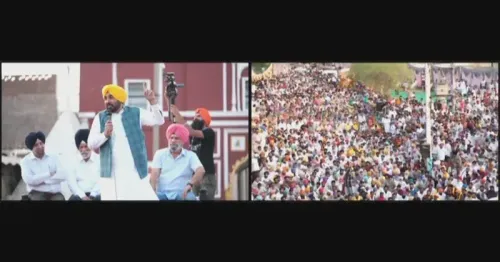
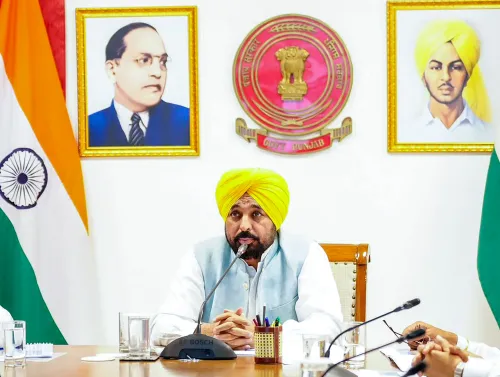
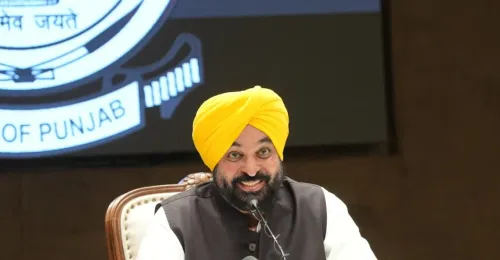
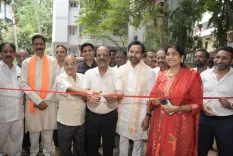
Punjab Chief Minister Bhagwant Mann on Friday, 26 June 2026, laid the foundation stone of a new sports complex at village Fateh Majri in the Samana constituency of Patiala district, reaffirming his government's push to build grassroots sports infrastructure as a direct counter to the state's drug crisis.
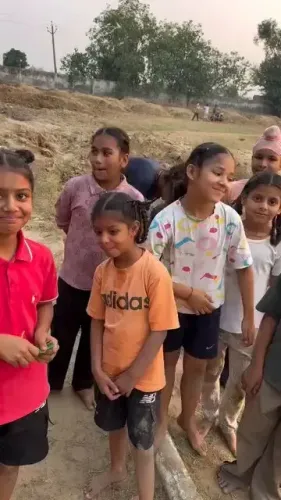
Posting on X in Punjabi, Mann said: 'Nौजवानਾਂ ਨੂੰ ਖੇਡਾਂ ਵਾਲੇ ਪਾਸੇ ਲਾਉਣਾ ਹੀ ਨਸ਼ਿਆਂ ਦਾ ਪੱਕਾ ਇਲਾਜ ਹੈ' ['Channelling youth towards sports is the definitive cure for drugs']. He added that children who stay connected to the playground do not stray onto the wrong path.
Context
The foundation stone at Fateh Majri is part of a state-wide effort to bring sporting facilities directly to villages, eliminating the need for rural youth to travel long distances to train or play. Mann announced that sports grounds in 3,000 villages across Punjab will be ready by 15 July, a target the government has publicly committed to. The Samana constituency falls within Patiala district, a region with a strong wrestling and kabaddi tradition.
Policy Backdrop
The Aam Aadmi Party entered the 2022 Punjab assembly elections promising one sports ground in every village, framing the pledge as both a welfare measure and an anti-narcotics tool. The commitment was formalised through the 'Khedo Punjab' mission launched in 2023, which aims to upgrade rural sports infrastructure across all districts of the state. Punjab has faced a documented opioid crisis since the early 2000s, and successive governments have attempted to link physical activity with demand-side drug reduction, though results have varied.
The AAP administration has consistently argued that building local grounds is more cost-effective than enforcement-only anti-drug strategies. Village panchayats are expected to play a role in maintaining the facilities once they are operational, embedding the programme within local governance structures.
Stakeholders and Impact
The primary beneficiaries are rural youth in Punjab, particularly in villages that currently lack any organised playing field. For village panchayats, the programme offers infrastructure that can anchor community activity beyond sport — cultural events, health camps, and local tournaments. Punjab has historically been a dominant force in national competitions in hockey, kabaddi, and wrestling, and the government has framed the ground-building drive as a route to restoring that standing.
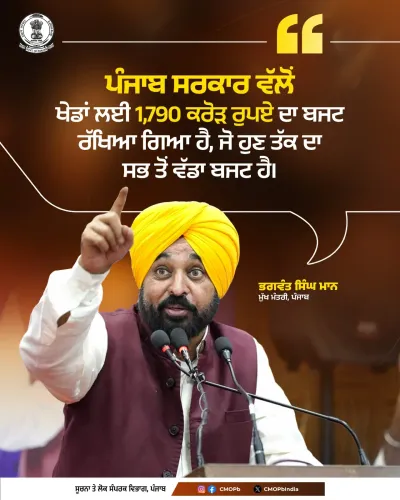
Mann stated directly: 'If good grounds are available in the villages themselves, only then will Punjab become number one in sports again.' The remark signals that the government sees infrastructure deficit — not talent deficit — as the core problem to solve.
What's Next
The critical test will be whether the 3,000-ground target is met by the stated 15 July deadline and whether state budget allocations follow for coaching staff, equipment, and maintenance — the elements that determine whether a ground becomes an active facility or an unused asset. Progress reports from district administrations and panchayat-level completion data will be closely watched by both supporters and critics of the AAP government's rural sports agenda. The broader question of whether sports access translates into measurable reductions in drug use among Punjab's youth remains a long-term indicator that this administration has staked significant political capital on.
Point of View
000-grounds-by-15-July announcement sets a concrete, near-term benchmark that will be easy for opponents to audit, making it a high-stakes public commitment. Historically, Punjab governments have announced similar drives, but maintenance funding and coaching pipelines have been the weak links; if AAP can close that gap, the programme could genuinely shift the grassroots sports landscape. The framing of sports infrastructure as anti-drug policy also allows the administration to address a social crisis without the political costs of aggressive law-enforcement narratives.
NationPress
26 Jun 2026
Frequently Asked Questions
What did Bhagwant Mann inaugurate at Fateh Majri on 26 June 2026?
Punjab Chief Minister Bhagwant Mann laid the foundation stone of a new sports complex at village Fateh Majri in the Samana constituency of Patiala district on 26 June 2026.
How many village sports grounds is the Punjab government building?
The Punjab government has announced that sports grounds will be ready in 3,000 villages across the state by 15 July 2026, as part of its rural sports infrastructure drive.
What is the 'Khedo Punjab' mission?
'Khedo Punjab' is a mission launched by the AAP government in Punjab in 2023 to upgrade and build sports infrastructure at the grassroots level across all districts, rooted in the party's 2022 election manifesto pledge of one ground per village.
How does sports infrastructure help fight drug abuse in Punjab?
The Punjab government argues that engaging rural youth in organised sports reduces their exposure to drug networks; CM Mann has publicly stated that children connected to playgrounds do not stray onto the wrong path, framing ground-building as a demand-side anti-narcotics strategy.
Where is Samana constituency located?
Samana is an assembly constituency in Patiala district, Punjab, where village Fateh Majri — the site of the new sports complex foundation stone — is located.