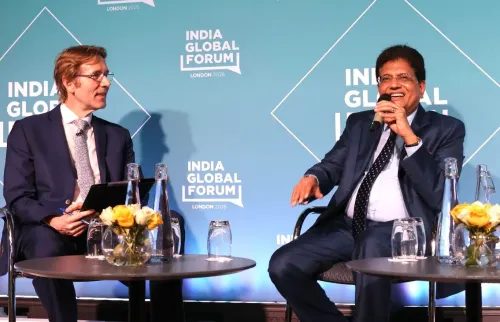
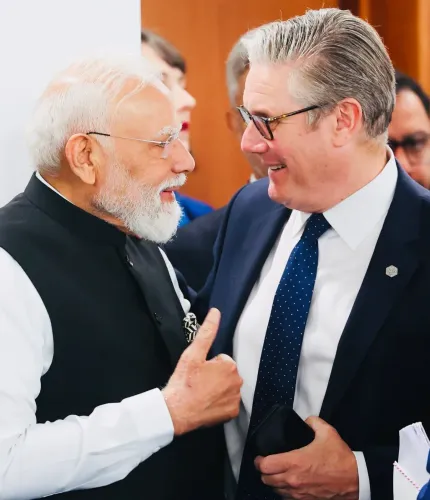
Piyush Goyal in London with 160-Firm India Delegation for CETA Push
Synopsis
Commerce Minister Piyush Goyal led over 160 Indian companies at a Business Plenary Session in London on 26 June 2026, spotlighting the India-UK CETA due to take effect on 15 July 2026 and urging deeper bilateral business engagement.
Key Takeaways
Union Commerce Minister Piyush Goyal is in London heading one of India's largest-ever business delegations to the UK, comprising over 160 companies .
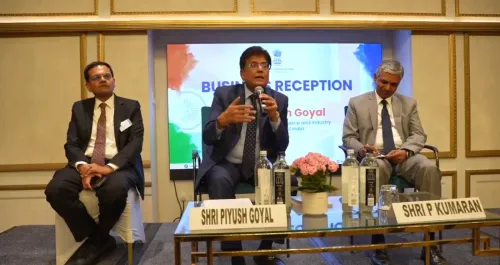
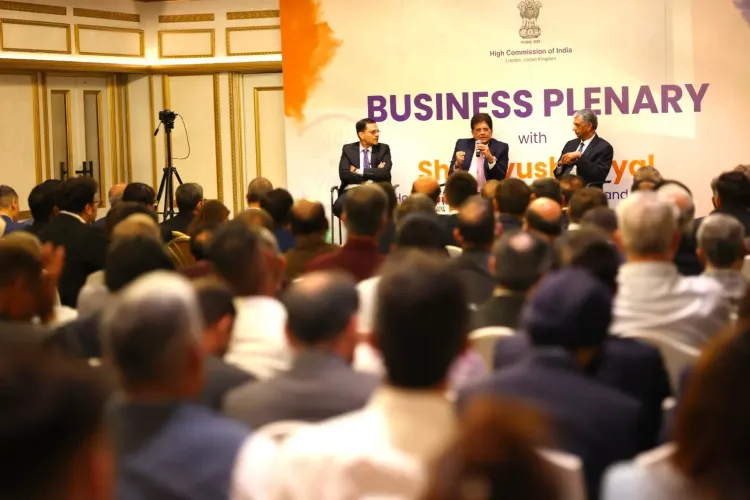
He addressed a Business Plenary Session on 26 June 2026 , calling the India-UK CETA a 'defining milestone.' The India-UK Comprehensive Economic and Trade Agreement (CETA) is stated to come into force on 15 July 2026 .
Negotiations for an India-UK free trade deal were formally launched in January 2022 after the UK's exit from the EU.
The agreement is part of India's broader strategy to deepen bilateral trade ties with partners including Australia , the UAE , and the EU .
Goyal invited businesses on both sides to 'deepen engagement, accelerate innovation, and invest with greater ambition.'
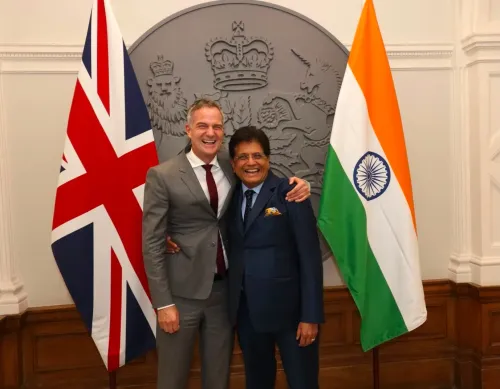
Union Commerce and Industry Minister Piyush Goyal arrived in London on Friday, 26 June 2026, leading one of India's largest-ever business delegations to the United Kingdom — comprising over 160 companies — to advance trade and investment ties anchored by the landmark India-UK Comprehensive Economic and Trade Agreement (CETA), which is set to come into force on 15 July 2026.
Context
Addressing a Business Plenary Session in London, Minister Goyal highlighted what he described as 'strong momentum' in India-UK ties as both nations move toward a 'defining milestone' with the CETA. He called on businesses across both countries to 'deepen engagement, accelerate innovation, and invest with greater ambition for shared prosperity.' The session brought together industry leaders from across sectors on both sides, signalling the breadth of commercial interest in the agreement.
The delegation of over 160 pioneering companies represents a cross-section of Indian industry, reflecting New Delhi's intent to convert diplomatic progress into concrete commercial outcomes. Goyal described his mission as an effort to 'translate a historic economic vision into meaningful action.'
Policy Backdrop
Formal negotiations for an India-UK free trade agreement were launched in January 2022, following the United Kingdom's exit from the European Union. The agreement — now branded as the CETA — is designed to liberalise tariffs, services, and investment flows between the two economies, with provisions expected to cover goods trade, technology, and labour mobility.
The India-UK CETA is part of a broader Indian trade strategy that has seen New Delhi conclude or accelerate bilateral agreements with partners including Australia, the UAE, and the European Union. The overarching goal is to integrate Indian industry deeper into global value chains and reduce dependence on any single market or trade corridor.
Stakeholders and Impact
Indian exporters stand to gain improved market access to the United Kingdom across sectors such as textiles, pharmaceuticals, information technology services, and professional services. UK investors, in turn, are expected to benefit from streamlined entry into one of the world's fastest-growing large economies, with reduced regulatory friction and potentially lower tariff burdens on British goods entering India.
The scale of the accompanying business delegation — described by Goyal as one of the largest India has ever sent to the UK — underscores the private sector's confidence in the agreement's commercial potential. Industry leaders present at the Business Plenary Session were united, in Goyal's words, by 'a shared belief in the immense opportunities that lie ahead.'
What's Next
With the India-UK CETA slated for enforcement on 15 July 2026, both governments will need to complete any outstanding parliamentary or ratification processes in the weeks ahead. Follow-up business council meetings and sector-specific working groups are expected to translate the framework into operational trade and investment pipelines.
Minister Goyal's London visit is likely to be followed by further high-level engagements as the enforcement date approaches, with both sides keen to demonstrate early wins from the agreement to domestic constituencies and global markets watching India's expanding trade diplomacy.
Point of View
Designed to signal that the India-UK CETA is not merely a diplomatic document but a live business opportunity. The framing of the agreement as a 'defining milestone' places political ownership squarely on the ruling dispensation ahead of the stated July 2026 enforcement date. This visit fits a clear pattern in India's trade diplomacy: pairing ministerial travel with large private-sector delegations to build business-to-business momentum that outlasts any single government engagement. The coming weeks will test whether parliamentary and ratification timelines on both sides hold, and whether the private sector enthusiasm on display in London converts into signed deals and investment commitments.
NationPress
27 Jun 2026
Frequently Asked Questions
What is the India-UK CETA and when does it come into force?
The India-UK Comprehensive Economic and Trade Agreement (CETA) is a bilateral trade pact aimed at liberalising tariffs, services, and investment between India and the United Kingdom. It is stated to come into force on 15 July 2026 .
Why is Piyush Goyal in London in June 2026?
Union Commerce Minister Piyush Goyal is in London to lead one of India's largest-ever business delegations to the UK, comprising over 160 companies , and to address a Business Plenary Session focused on advancing the India-UK CETA.
When did India-UK free trade agreement negotiations begin?
Formal negotiations for an India-UK free trade agreement were launched in January 2022 , following the United Kingdom's departure from the European Union.
Which Indian sectors stand to benefit from the India-UK CETA?
Indian exporters in sectors such as textiles, pharmaceuticals, information technology services, and professional services are expected to gain improved market access to the UK under the CETA framework.
How does the India-UK CETA fit into India's broader trade strategy?
The India-UK CETA is part of India's wider effort to deepen bilateral trade ties with multiple partners — including Australia , the UAE , and the EU — to integrate Indian industry into global value chains and diversify trade relationships.