CM Bhagwant Mann: Punjab's Tirth Yatra Yojana runs 40 buses daily

Synopsis
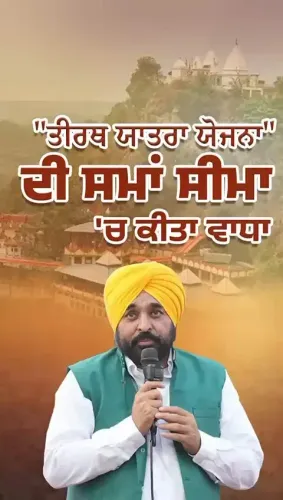
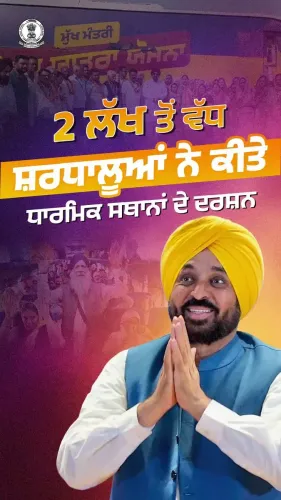
Chief Minister Bhagwant Mann told media on 5 November 2026 that Punjab's 'Mukhya Mantri Tirth Yatra Yojana' is operating approximately 40 buses daily, ferrying large numbers of devotees to religious and historical sites across India amid strong public response.
Key Takeaways
CM Bhagwant Mann publicly briefed media on the progress of the Mukhya Mantri Tirth Yatra Yojana on 5 November 2026 .
Approximately 40 buses per day are being deployed to take pilgrims to various religious and historical destinations.
Mann described the scheme as running 'with great success' and receiving a 'wholehearted response' from Punjab's residents.
The initiative is a welfare-oriented programme by the AAP-led Punjab government , covering travel logistics and costs for devotees.
The scheme fits a broader pattern of Indian state governments running subsidised pilgrimage programmes to promote cultural access and welfare.
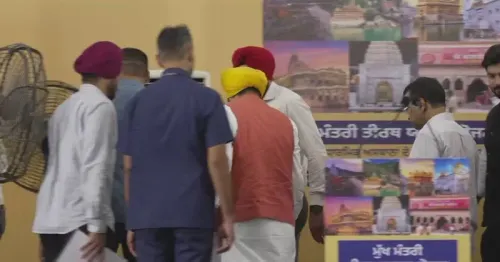
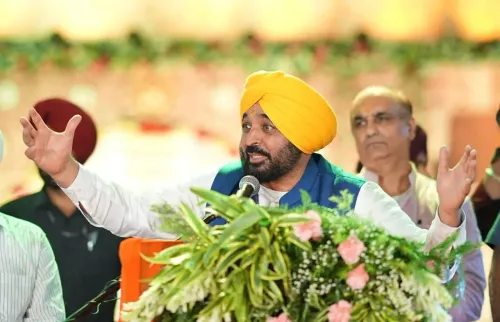
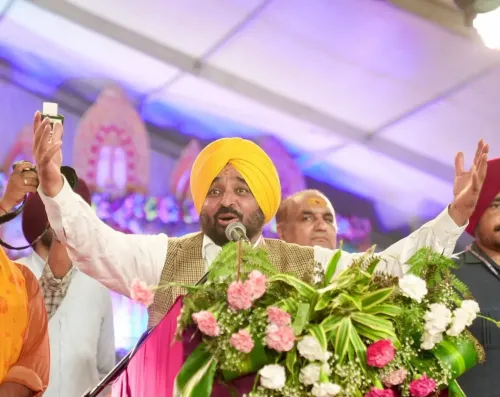
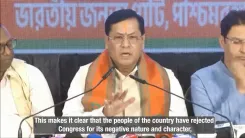
Forty buses, every single day, fanning out across India's religious and historical heartland — that is the operational pulse Punjab Chief Minister Bhagwant Mann put on the record while addressing the media on Thursday, 5 November 2026. Briefing reporters on the state's flagship welfare initiative, the 'Mukhya Mantri Tirth Yatra Yojana', Mann said the scheme is running 'with great success' and receiving an overwhelming response from the people of Punjab.
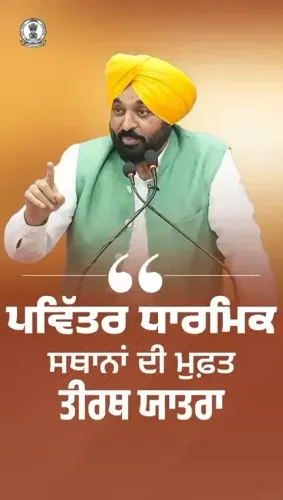
Speaking in Punjabi, Mann stated: 'ਪੰਜਾਬ ਸਰਕਾਰ ਦੀ ਮੁੱਖ ਮੰਤਰੀ ਤੀਰਥ ਯਾਤਰਾ ਯੋਜਨਾ ਬਹੁਤ ਕਾਮਯਾਬੀ ਨਾਲ ਚੱਲ ਰਹੀ ਹੈ' ('The Punjab government's Chief Minister Pilgrimage Scheme is running with great success'), adding that devotees are being taken to various religious and historical destinations through approximately 40 buses daily.What the Mukhya Mantri Tirth Yatra Yojana actually does
The scheme is a Punjab government initiative that organises and funds bus-based pilgrimage travel for residents, connecting them to religious and historically significant sites across India. The model — state-subsidised, state-organised — is designed to remove the financial and logistical barriers that often keep ordinary devotees from undertaking long-distance religious journeys.
Pilgrimage welfare schemes of this kind have a well-established track record across Indian states, blending social welfare with cultural heritage promotion. What distinguishes Punjab's iteration, as Mann framed it, is the daily operational scale: a rotating fleet of roughly 40 buses dispatching pilgrims to multiple destinations simultaneously, suggesting a programme running at consistent, high-throughput capacity rather than as a periodic event.
AAP's welfare-scheme playbook in Punjab
Since taking office in March 2022, the Aam Aadmi Party-led administration under Mann has leaned heavily on direct-benefit and welfare-first governance as its political signature. The Tirth Yatra Yojana fits that template squarely — a visible, tangible benefit for a broad constituency of devout, often elderly citizens who form a significant voting and community bloc in the state.
The scheme also carries a soft cultural-diplomatic dimension: by routing pilgrims to sites beyond Punjab's borders, the government reinforces a pan-India religious identity while positioning itself as a facilitator of access, not just a provider of subsidies. Mann's public media briefing on its progress signals the administration wants this scheme seen — and remembered.
With state budget sessions on the horizon, the numbers Mann cited — daily buses, broad public response — set the stage for a possible expansion announcement. The question now is whether beneficiary counts and route additions follow the rhetoric.
Point of View
Mann is doing two things at once: reinforcing the administration's deliverables narrative ahead of budget season and signalling to a devout, often rural voter base that the state is an active partner in their religious lives. Pilgrimage schemes have historically delivered strong political dividends for state governments across party lines, and Mann's decision to personally front this briefing suggests the AAP leadership views the Yojana as a replicable, defensible welfare asset worth amplifying.
NationPress
5 Nov 2026
Frequently Asked Questions
What is the Mukhya Mantri Tirth Yatra Yojana in Punjab?
It is a Punjab government scheme that organises and funds bus-based pilgrimage travel for state residents, taking devotees to religious and historically significant sites across India at no significant personal cost.
How many buses does Punjab's pilgrimage scheme run daily?
Chief Minister Bhagwant Mann stated that approximately 40 buses are deployed every day under the Mukhya Mantri Tirth Yatra Yojana to ferry pilgrims to various destinations.
Who is eligible for the Mukhya Mantri Tirth Yatra Yojana?
The scheme is designed for residents of Punjab, particularly devotees and pilgrims, though specific eligibility criteria such as age limits or income thresholds were not detailed in the Chief Minister's media briefing.
Which religious sites are covered under Punjab's tirth yatra scheme?
CM Mann indicated that the buses travel to 'various religious and historical sites,' though a specific list of destinations was not enumerated in the official announcement.
Is Punjab's pilgrimage scheme free for citizens?
The scheme is a state-funded welfare initiative providing organised bus travel to pilgrims, in line with similar subsidised pilgrimage programmes run by other Indian state governments; exact cost details were not specified in the CM's briefing.