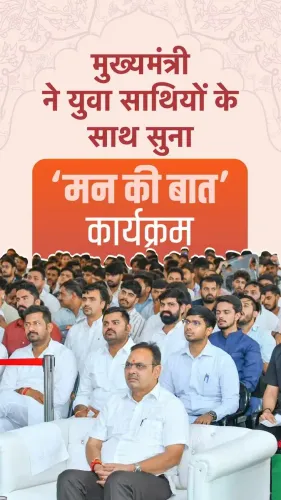
CM Bhajan Lal Urges Rajasthanis to Tune Into Mann Ki Baat
Synopsis
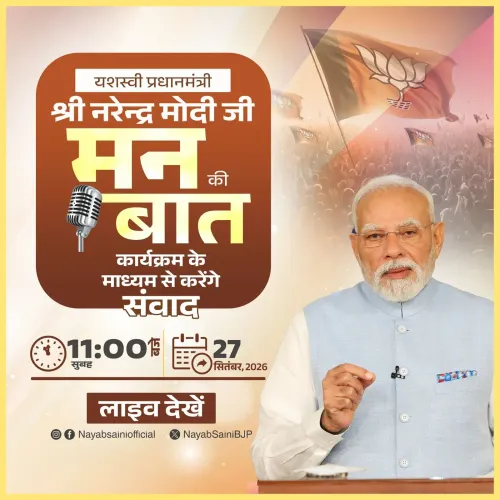
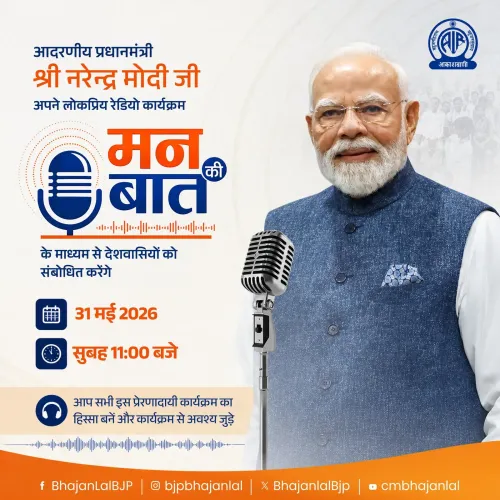
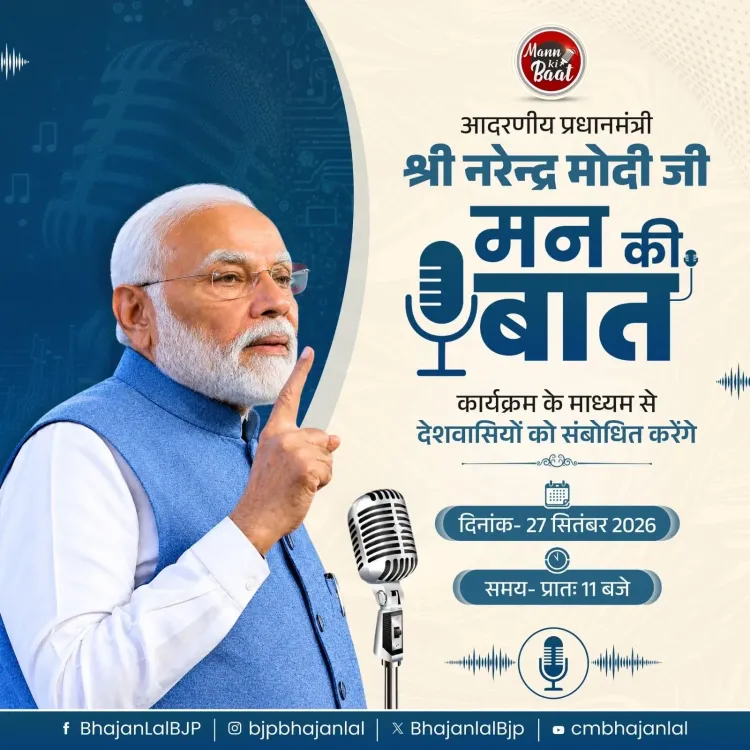
Rajasthan Chief Minister Bhajan Lal Sharma took to X on 26 September 2026 to promote PM Narendra Modi's Mann Ki Baat radio address, urging citizens to tune in on 27 September at 11:00 AM and inspire others to join the monthly broadcast.
Key Takeaways
Rajasthan CM Bhajan Lal Sharma posted on X on 26 September 2026 promoting PM Modi's Mann Ki Baat .
The next episode is scheduled for 27 September 2026 at 11:00 AM IST .
Mann Ki Baat is a monthly radio address launched by PM Narendra Modi in October 2014 on All India Radio .
State BJP leaders routinely amplify the broadcast on social media, extending its reach beyond the radio audience.
The programme covers topics from governance and social issues to citizen stories, in a conversational, unscripted tone.
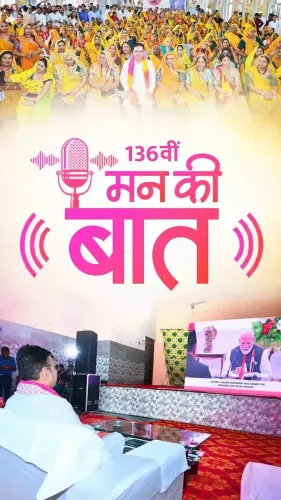
With 27 September 2026 just hours away, Rajasthan Chief Minister Bhajan Lal Sharma stepped onto X to do what state BJP leaders have done reliably since 2014 — amplify Prime Minister Narendra Modi's monthly radio address, Mann Ki Baat, and rally citizens to listen in at 11:00 AM.
Sharma's post, written in Hindi, called on followers to become part of the conversation — 'is samvad ka hissa banein' ('be part of this dialogue') — and to inspire as many people as possible to join. The tone is one of civic invitation rather than political instruction, consistent with how the programme has always been positioned: a direct line between the Prime Minister and the public, unmediated by party machinery.
Twelve Years of a Prime Minister Talking Directly to India
Mann Ki Baat was launched by Prime Minister Modi in October 2014, broadcast on All India Radio and simulcast across digital platforms. Over more than a decade, it has become one of the most consistent public-communication formats in Indian political history — monthly, unscripted in tone, and deliberately wide in subject matter, ranging from governance milestones to social campaigns and everyday citizen stories.
The programme's staying power lies precisely in that informality. It does not announce policy; it narrates governance in a register closer to conversation than proclamation. That distinction has made it a durable tool for reaching audiences who rarely engage with formal press conferences or parliamentary debates.
Why State Leaders Amplify, and Why It Works
Chief Minister Sharma's post is not unusual — it is, in fact, part of a well-established playbook. BJP state leaders across India routinely share reminders ahead of each episode, treating the broadcast as a shared civic event rather than a Delhi-only affair. The effect is a distributed amplification network: a single national address gains regional resonance through dozens of local handles, each carrying the message into their own follower base.
For Sharma, flagging the broadcast also signals alignment with the central leadership's communication priorities — a low-cost, high-visibility act of political solidarity that doubles as genuine public service outreach.
The episode on 27 September is expected to follow the programme's familiar format — national issues, citizen stories, and the Prime Minister's own reflections on the month gone by. Whether you pick it up on the radio or a smartphone stream, the invitation is the same: Mann Ki Baat wants a crowd.
Point of View
Giving a national broadcast local gravity at no institutional cost. Over twelve years, this distributed promotion model has helped the programme outlast the typical lifecycle of a political communication format. The deeper pattern here is centralisation of political messaging through an ostensibly apolitical civic platform — a durable and largely uncontested strategy that keeps the Prime Minister's voice present in state-level political discourse between elections.
NationPress
26 Sept 2026
Frequently Asked Questions
What is Mann Ki Baat and when did it start?
Mann Ki Baat is a monthly radio address by Prime Minister Narendra Modi, launched in October 2014. It is broadcast on All India Radio and simulcast on digital platforms, covering governance, social issues, and citizen stories.
When is the next Mann Ki Baat episode in September 2026?
According to CM Bhajan Lal Sharma's post, the episode is scheduled for 27 September 2026 at 11:00 AM IST.
Why did Rajasthan CM Bhajan Lal Sharma post about Mann Ki Baat?
Sharma posted to encourage citizens to tune in and to inspire others to join — continuing a long-standing practice among BJP state leaders of amplifying the Prime Minister's monthly address on social media.
How can I listen to Mann Ki Baat?
Mann Ki Baat is broadcast on All India Radio and is also available on digital and streaming platforms, making it accessible via radio sets and smartphones alike.
How often does Mann Ki Baat air?
Mann Ki Baat airs once a month, typically on the last Sunday of the month, and has maintained this schedule since its launch in October 2014.