CM Bhajan Lal launches ₹3,518 cr urban works, flags off 71 e-buses
Synopsis
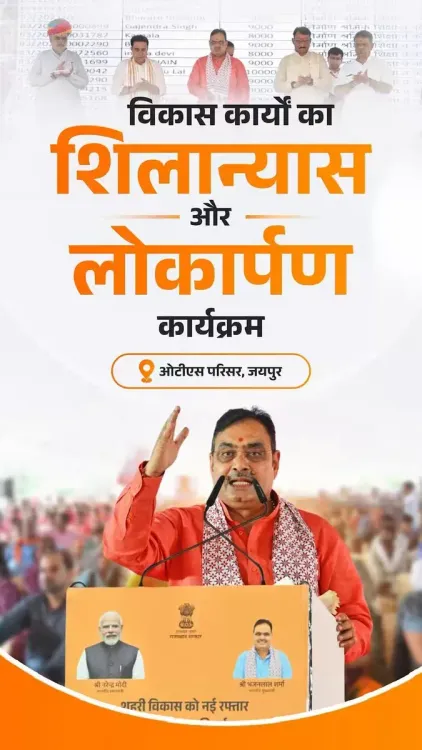
Rajasthan CM Bhajan Lal Sharma inaugurated urban development works worth over ₹3,518 crore and flagged off 71 PM e-buses from Jaipur's OTS Ground on 19 August 2026, advancing the state's green mobility and urban infrastructure agenda.
Key Takeaways
CM Bhajan Lal Sharma launched urban development projects worth over ₹3,518 crore from OTS Ground, Jaipur on 19 August 2026 .
The event combined foundation-stone layings and inaugurations of completed works under the state's Urban Development Department.
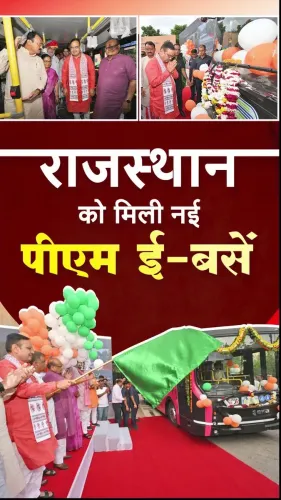
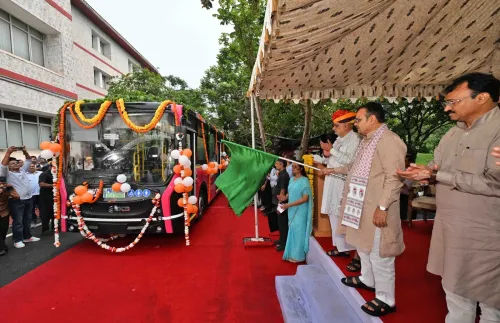
71 electric buses were flagged off under the central government's PM e-Bus Sewa scheme , which targets 10,000 e-buses nationally.
The PM e-Bus Sewa scheme was approved by the Union Cabinet in 2023 to support green urban mobility across Indian cities.
Sharma linked the e-bus induction to the state's Harit Rajasthan (Green Rajasthan) commitment.
Fund utilisation timelines for the ₹3,518 crore urban works will be the key indicator of on-ground delivery.
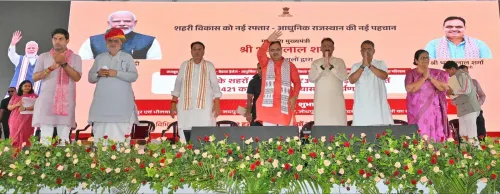
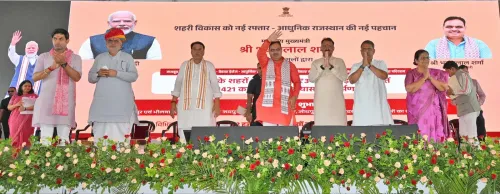
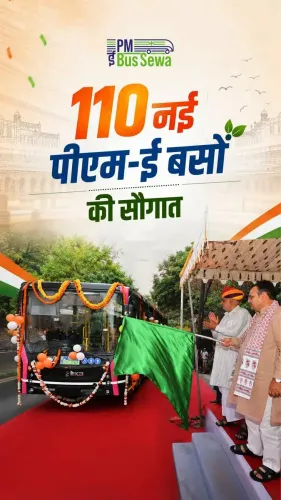
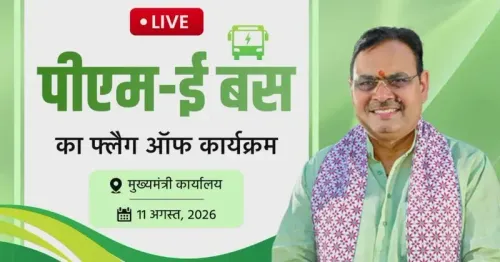
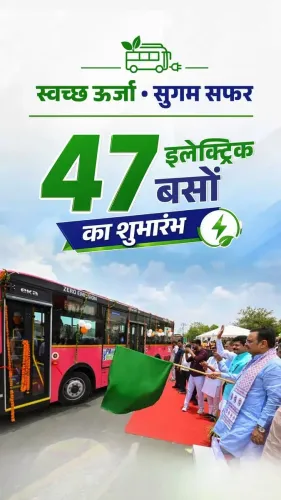
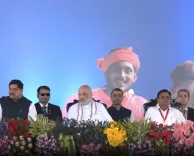
From Jaipur's OTS Ground on Wednesday, 19 August 2026, Rajasthan Chief Minister Bhajan Lal Sharma set in motion urban development projects worth over ₹3,518 crore — laying foundation stones and inaugurating completed works under the Urban Development Department, while flagging off 71 PM e-buses that will immediately enter public service across the state.
₹3,518 crore on the ground — what the Urban Development push covers
The event at OTS Ground brought together a slate of urban infrastructure projects under the state's Urban Development Department — spanning foundation-stone layings (shilanayas) and formal inaugurations (lokarpan) of works already completed. CM Sharma described the push as aimed at expanding 'modern urban amenities, better public transport, and stronger infrastructure' across Rajasthan's cities.
The scale — more than ₹3,518 crore — signals one of the larger single-day urban rollouts under the current BJP government, which took office in December 2023. State governments have increasingly used such consolidated event formats to demonstrate delivery velocity, bundling projects from multiple city zones into a single high-visibility launch.
71 PM e-buses and the 'Harit Rajasthan' pledge
The headline green moment of the event was the flagging off of 71 electric buses under the central government's PM e-Bus Sewa scheme — approved by the Union Cabinet in 2023 with a national target of deploying 10,000 electric buses in cities to cut transport emissions and reduce dependence on fossil fuels.
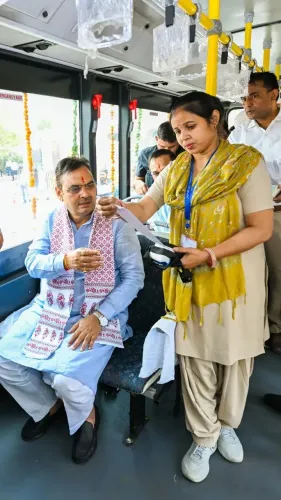
Sharma framed the induction as giving 'new momentum to the resolve of Harit Rajasthan' — a green Rajasthan. Electric buses deliver a visible, daily dividend to urban commuters: lower fares are possible, pollution drops at street level, and the state edges closer to its clean-mobility commitments. For a desert state where summer temperatures regularly cross 45°C, reducing vehicular exhaust in dense city corridors is not a minor quality-of-life gain.
Where Rajasthan fits in India's electric-bus race
Indian states have competed to accelerate e-bus inductions under central programmes including AMRUT and PM e-Bus Sewa, with deployment speed often tied to state-level administrative readiness and charging infrastructure build-out. Rajasthan's 71-bus induction in a single ceremony adds meaningful numbers to that national tally, even as the broader 10,000-bus target remains a work in progress across all participating cities.
The rollout timelines for the announced ₹3,518 crore urban works — and how quickly the state draws down and utilises those funds — will be the real test of whether Wednesday's ceremony translates into durable change on the ground.
Seventy-one electric buses now carry the weight of a promise; the next milestone is the completion date, not the flag-off.
Point of View
518 crore number anchors the narrative in scale, while the 71 e-buses give it a tangible, photographable face. Rajasthan's participation in PM e-Bus Sewa also reinforces the Centre-state co-delivery frame the BJP has consistently used to share credit for central schemes. The real political dividend, however, will depend on whether the urban works meet completion timelines — voters in Jaipur and other cities have seen grand launches before.
NationPress
3 Oct 2026
Frequently Asked Questions
What projects did CM Bhajan Lal Sharma inaugurate at OTS Ground Jaipur?
CM Bhajan Lal Sharma inaugurated and laid foundation stones for urban development projects worth over ₹3,518 crore under Rajasthan's Urban Development Department at OTS Ground, Jaipur on 19 August 2026.
What is PM e-Bus Sewa and how many buses were flagged off in Rajasthan?
PM e-Bus Sewa is a Union Cabinet-approved scheme from 2023 targeting 10,000 electric buses in Indian cities. CM Sharma flagged off 71 electric buses under this scheme from Jaipur on 19 August 2026.
What is Harit Rajasthan?
Harit Rajasthan, meaning 'Green Rajasthan,' is the state government's stated commitment to environmentally sustainable development, including green transport initiatives like electric bus deployment.
Who is Bhajan Lal Sharma?
Bhajan Lal Sharma is the Chief Minister of Rajasthan and a BJP leader who assumed office in December 2023 following the state assembly elections.
How does Rajasthan's e-bus induction fit into the national PM e-Bus Sewa target?
The national PM e-Bus Sewa scheme aims to deploy 10,000 electric buses across Indian cities. Rajasthan's induction of 71 buses in a single ceremony contributes to that national tally, with overall deployment progress depending on state-level infrastructure readiness.