CM Bhajanlal flags off 16 e-buses for Jaipur under PM E-Bus Sewa
Synopsis
Chief Minister Bhajanlal Sharma flagged off 16 electric buses for Jaipur on 12 August 2026 under the Centre's PM E-Bus Sewa scheme, announcing that 110 e-buses have now reached 8 Rajasthan cities as part of India's 10,000-bus clean mobility push.
Key Takeaways
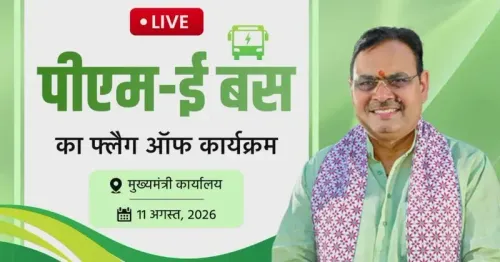
16 electric buses were formally flagged off for Jaipur by CM Bhajanlal Sharma on 12 August 2026 at the Rajasthan Secretariat.
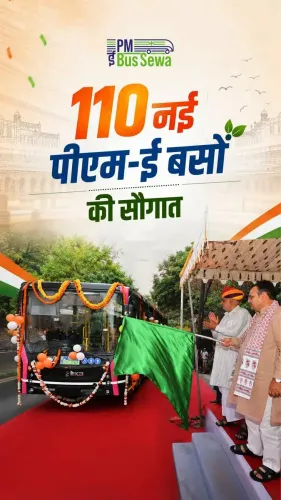
A total of 110 PM E-buses have now been deployed across 8 cities in Rajasthan under the PM E-Bus Sewa scheme.
The Union Cabinet approved PM E-Bus Sewa in 2023 to procure 10,000 electric buses for Indian cities nationwide.
Premchand Bairwa , Minister Jhabar Singh Kharra , and Chief Secretary V.
Srinivas were present at the launch.
The deployment is framed under PM Narendra Modi's clean mobility vision; charging infrastructure rollout remains the next critical milestone.
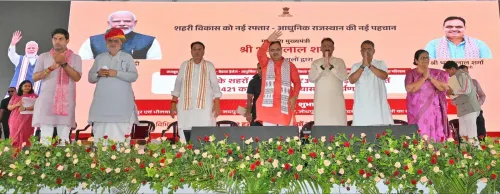
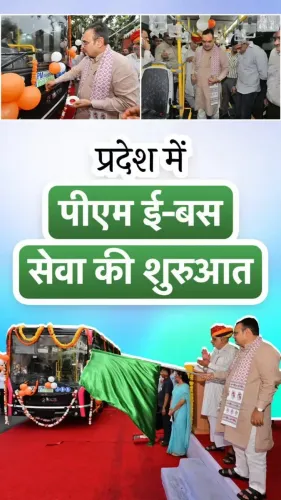
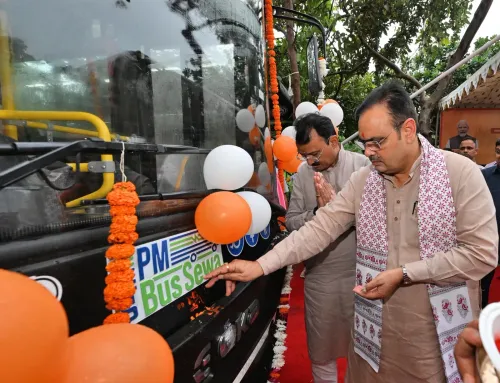
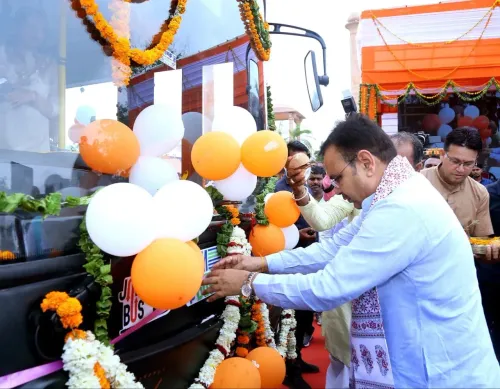
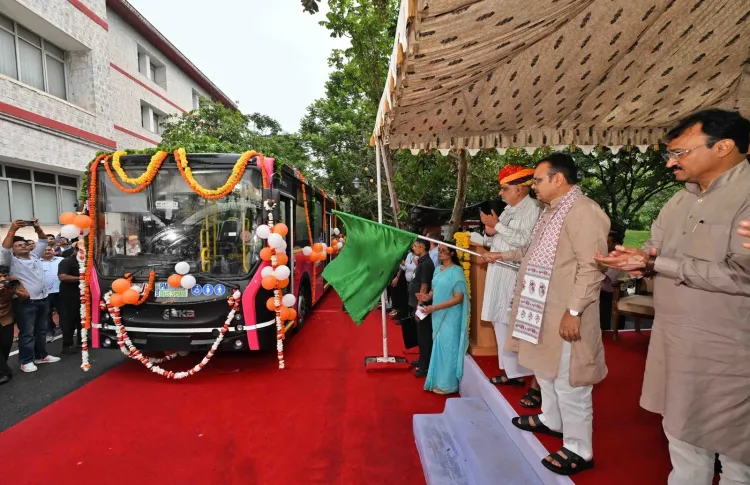
Sixteen electric buses rolled out of the Rajasthan Secretariat in Jaipur on Wednesday, 12 August 2026, as Chief Minister Bhajanlal Sharma performed a ceremonial puja (prayer ritual) and waved the green flag to formally induct the fleet under the PM E-Bus Sewa scheme. The moment marked Jaipur's first dedicated electric bus deployment under the centrally sponsored programme — and a visible step in the state's push toward cleaner urban transit.
110 electric buses, 8 Rajasthan cities — the numbers so far
CM Sharma announced that 110 PM E-buses have now reached 8 cities across Rajasthan, with Jaipur receiving 16 in this first flagged-off batch. The buses were inaugurated at the Governance Secretariat, where senior officials gathered for the launch. Present alongside the Chief Minister were Deputy Chief Minister Dr. Premchand Bairwa, Urban Development and Autonomous Governance Minister Jhabar Singh Kharra, and Chief Secretary V. Srinivas.
PM E-Bus Sewa: the scheme behind the wheels
The Union Cabinet approved PM E-Bus Sewa in 2023 with a mandate to procure 10,000 electric buses for Indian cities — one of the most ambitious public electric-mobility programmes the country has seen. The scheme operates on a gross-cost-contract model, where the central government subsidises bus procurement and operations while state agencies manage routes and ridership. Rajasthan is among the states moving early to absorb its allocated fleet.
CM Sharma credited the rollout to Prime Minister Narendra Modi's 'clean mobility vision', framing the electric buses as part of a broader national effort to cut urban emissions and modernise public transport. The state government has positioned the deployment under its Aapno AgraNi Rajasthan ('Our Leading Rajasthan') brand — a tagline that signals competitive intent against peer states on development metrics.
What the buses mean for Jaipur's commuters
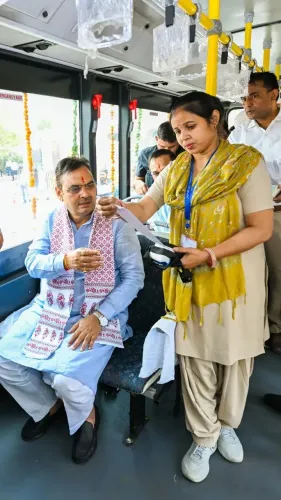
Jaipur, a city of roughly 4 million people and a UNESCO World Heritage site, has long struggled with an ageing public bus fleet and rising private vehicle density. Electric buses on city routes would reduce tailpipe emissions in the walled-city corridors and tourist zones where air quality is a persistent concern. Urban commuters — particularly those dependent on public transport for daily work trips — stand to benefit most directly from the expanded, cleaner fleet.
The next phase to watch: the rollout of buses to the remaining cities in Rajasthan's allocation, and state-level tenders for the charging infrastructure needed to keep the fleet operational at scale.
Point of View
Tying state governance to Prime Minister Modi's clean-mobility brand. The 110-bus figure across 8 cities is a credible early number, but the harder test will be whether charging infrastructure and operational contracts keep the fleet running efficiently over the next two years. Rajasthan's progress, or stumbles, will be watched by other states still in the early stages of their own PM E-Bus Sewa rollouts.
NationPress
26 Sept 2026
Frequently Asked Questions
What is PM E-Bus Sewa and how does it work?
PM E-Bus Sewa is a Union Cabinet-approved scheme from 2023 aimed at deploying 10,000 electric buses across Indian cities. The central government subsidises bus procurement and operations under a gross-cost-contract model, while state agencies manage routes.
How many electric buses has Rajasthan received under PM E-Bus Sewa?
As of 12 August 2026, 110 PM E-buses have reached 8 cities in Rajasthan, with 16 of those formally flagged off for Jaipur by Chief Minister Bhajanlal Sharma.
Who was present at the Jaipur e-bus launch on 12 August 2026?
Deputy Chief Minister Dr. Premchand Bairwa, Urban Development Minister Jhabar Singh Kharra, and Chief Secretary V. Srinivas joined CM Bhajanlal Sharma at the Rajasthan Secretariat for the flagging-off ceremony.
Which 8 cities in Rajasthan are getting PM E-buses?
The Chief Minister's Office confirmed that 110 PM E-buses have reached 8 Rajasthan cities, but the specific names of all 8 cities were not listed in the official announcement.
What is the significance of electric buses for Jaipur?
Jaipur, a UNESCO World Heritage city with around 4 million residents, faces air quality and congestion challenges. Electric buses on city routes reduce tailpipe emissions and offer a cleaner alternative for daily commuters dependent on public transport.