CM Bhajan Lal Holds Jan Sunwai in Bharatpur
Synopsis
Rajasthan Chief Minister Bhajan Lal Sharma held a Jan Sunwai at Bharatpur Circuit House on 25 May 2026, personally hearing residents' grievances and directing officials to ensure swift, transparent, and quality resolution of public complaints.
Key Takeaways
Bhajan Lal Sharma conducted a Jan Sunwai (public grievance hearing) at Bharatpur Circuit House on 25 May 2026 .
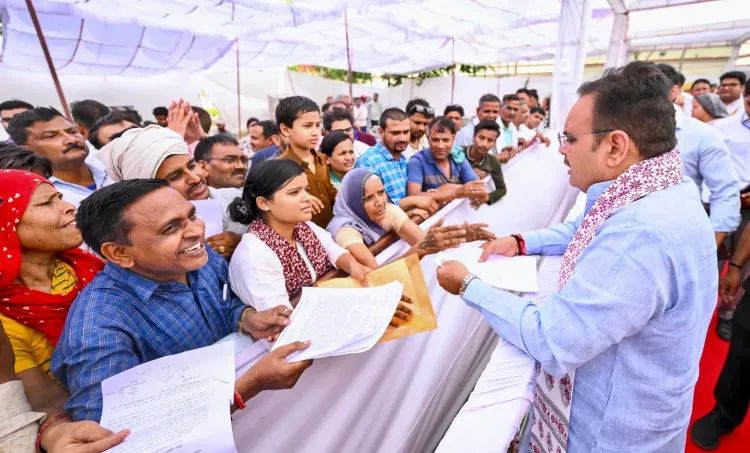
The Chief Minister personally met residents and listened to their grievances, complaints, and hardships.
Officials present were directed to resolve public problems in a 'rapid, transparent, and quality' manner.
Bharatpur is a significant district in eastern Rajasthan; the hearing reflects the state government's district-level outreach model.
The Sharma government , in office since December 2023 , has prioritised direct grievance redressal mechanisms as part of its governance approach.
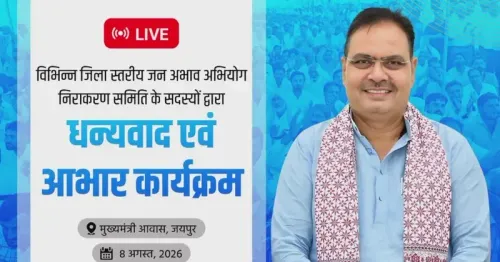
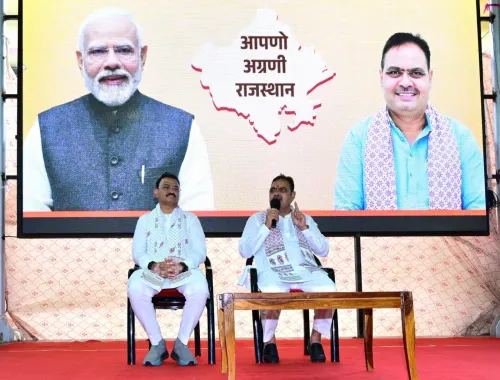
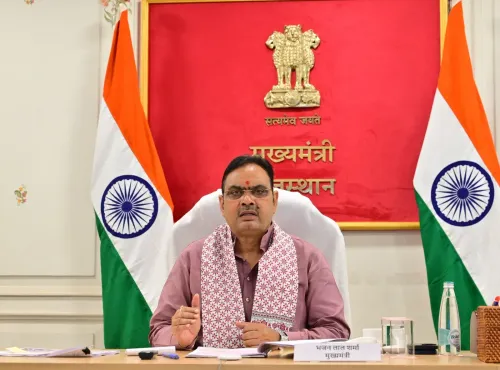
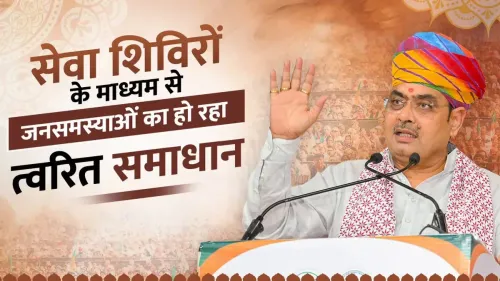
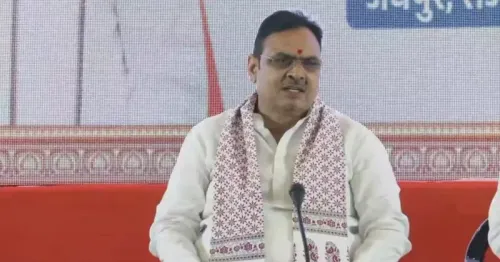
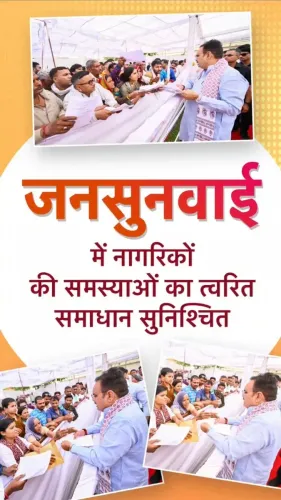
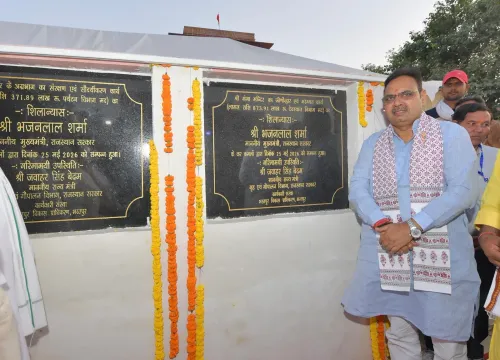
The post was shared with four photographs from the event on the Chief Minister's official X account.
Rajasthan Chief Minister Bhajan Lal Sharma conducted a public grievance hearing (Jan Sunwai) at the Bharatpur Circuit House on Monday, 25 May 2026, meeting residents from across the region to hear their complaints and concerns firsthand. The Chief Minister directed officials present at the event to ensure swift, transparent, and quality resolution of citizens' problems.
Context
Posting on X, Sharma stated, 'जनता की सेवा ही हमारा सर्वोपरि संकल्प है' — 'Service to the public is our foremost resolve.' He described meeting residents who attended the hearing at Bharatpur, listening 'warmly' to their grievances, complaints, and hardships, and issuing instructions to officials for prompt and quality redressal.
The Chief Minister added that his government 'is working with full commitment for the welfare of every citizen of the state.' The post was accompanied by four photographs from the event, showing the CM in interaction with residents and officials.
Policy Backdrop
The Jan Sunwai format — a structured public hearing where officials receive and act on citizen petitions — is a long-standing administrative mechanism used across Indian states. In Rajasthan, such hearings have been conducted at the district level by successive governments as a direct channel between citizens and the state apparatus.
Since assuming office in December 2023 following the BJP's assembly election victory, Sharma has emphasised district-level grievance redressal as part of his administration's governance approach. Bharatpur, located in eastern Rajasthan and known for the Keoladeo National Park, is one of the state's significant administrative districts with a large rural population dependent on government services.
Stakeholders and Impact
Residents of Bharatpur district and surrounding areas who attended the hearing brought forward concerns spanning issues typically raised at such forums — including revenue matters, welfare scheme access, and local infrastructure. The direct participation of the Chief Minister, rather than a junior official, signals the administration's intent to demonstrate accountability at the top level.
State government officials who were present were explicitly instructed by Sharma to resolve complaints in a manner that is 'rapid, transparent, and of quality' — a directive that places the onus of follow-through on district and departmental machinery.
What's Next
The effectiveness of the Bharatpur Jan Sunwai will ultimately be measured by the resolution timelines for complaints received on the day. Observers of Rajasthan governance will watch whether the administration publishes follow-up data on complaint disposal, and whether the Chief Minister extends the Jan Sunwai schedule to additional districts across the state. Such outreach visits, if sustained, could become a defining feature of the Sharma government's public-facing governance model ahead of future electoral cycles.
Point of View
Jaipur. Such outreach is standard practice for Indian chief ministers, but its frequency and geographic spread will determine whether it constitutes a genuine administrative priority or a routine optic. The instruction to officials for 'rapid, transparent, and quality' redressal mirrors language from the BJP's broader governance narrative, tying local administration to the party's national accountability messaging. The real test lies in whether complaint-disposal data from events like this is made publicly available.
NationPress
23 Sept 2026
Frequently Asked Questions
What is a Jan Sunwai in Rajasthan?
A Jan Sunwai is a structured public grievance hearing in which government officials, and sometimes senior leaders like the Chief Minister, meet citizens directly to receive and act on complaints related to local issues such as welfare schemes, revenue, and infrastructure.
Where did CM Bhajan Lal Sharma hold the Jan Sunwai?
The Jan Sunwai was held at the Bharatpur Circuit House in Bharatpur district, eastern Rajasthan, on 25 May 2026.
What did CM Bhajan Lal Sharma instruct officials at the Bharatpur hearing?
He directed officials present to ensure swift, transparent, and quality resolution of the problems raised by citizens at the hearing.
When did Bhajan Lal Sharma become Chief Minister of Rajasthan?
Bhajan Lal Sharma became Chief Minister of Rajasthan in December 2023 after the BJP won the state assembly elections.
What issues are typically raised at a Jan Sunwai in Rajasthan?
Citizens typically raise issues related to welfare scheme access, revenue disputes, local infrastructure, and other administrative grievances at Jan Sunwai hearings.