CM Bhajan Lal joins national anti-drug drive from Udaipur
Synopsis
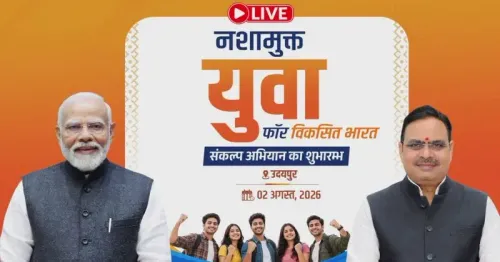
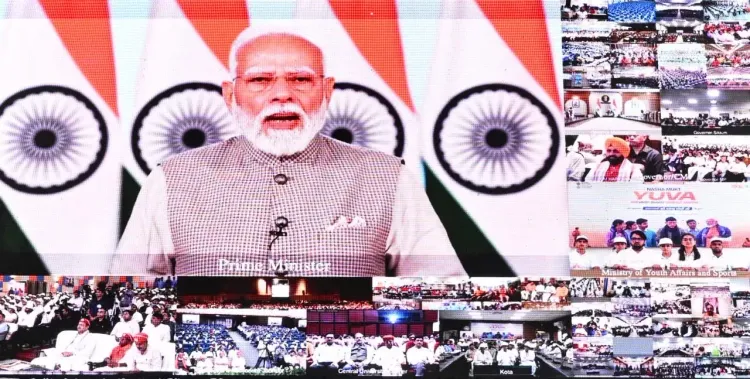
Rajasthan Chief Minister Bhajan Lal Sharma joined PM Narendra Modi's national 'Nasha Mukt Yuva for Viksit Bharat Sankalp Abhiyan' via video conference from Udaipur on 2 August 2026, administering a drug-free pledge to youth and releasing a Youth Icon Poster for the campaign.
Key Takeaways
Rajasthan CM Bhajan Lal Sharma joined the national launch of the 'Nasha Mukt Yuva for Viksit Bharat Sankalp Abhiyan' via video conferencing from Udaipur on 2 August 2026 .
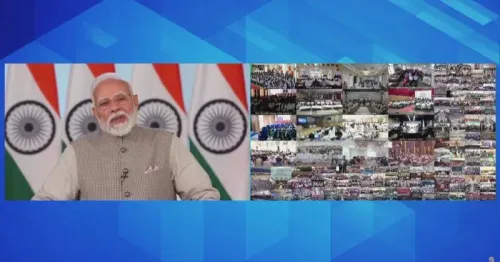
Prime Minister Narendra Modi presided over the national launch; the campaign frames drug-free youth as a prerequisite for the Viksit Bharat 2047 vision.
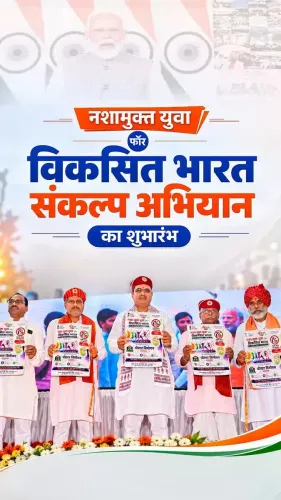
CM Sharma administered a drug-free pledge to youth in Udaipur and released the campaign's Youth Icon Poster .
The campaign is rooted in the Nasha Mukt Bharat Abhiyan launched in August 2020 and combines awareness, counselling, rehabilitation, and community participation.
Rajasthan ministers Babulal Kharadi and Hemant Meena were present, signalling a push into tribal and rural constituencies.
District-level rollout timelines and monitoring mechanisms will determine whether the initiative moves beyond the launch event.
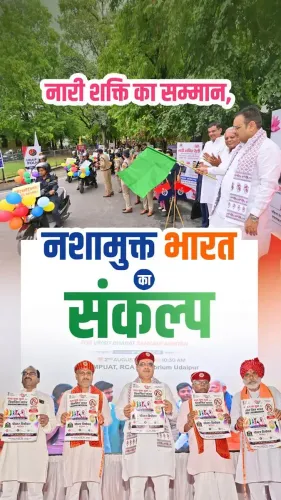
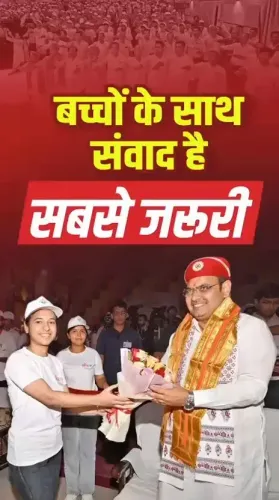
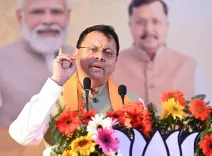
A pledge against substance abuse, taken by hundreds of young people in Udaipur on Sunday, 2 August 2026, marked Rajasthan's entry into a national movement that Prime Minister Narendra Modi formally launched from New Delhi. Rajasthan Chief Minister Bhajan Lal Sharma joined the ceremony via video conferencing, administering the oath and releasing a 'Youth Icon Poster' for the campaign on the spot.
What the 'Nasha Mukt Yuva' campaign asks of India's youth
The 'Nasha Mukt Yuva for Viksit Bharat Sankalp Abhiyan' — loosely, the 'Drug-Free Youth for a Developed India Resolve Campaign' — is framed not as a government directive but as a janandolan (people's movement). Participants pledge to live drug-free, to sensitise their families and communities to the harms of substance abuse, and to contribute actively to the twin goals of a developed Rajasthan and a developed India by 2047.
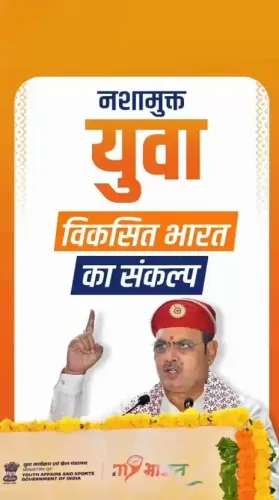
CM Sharma described the initiative as 'an important people's movement aimed at making youth drug-free, healthy and aware, in the direction of building a Viksit Bharat.' The Udaipur event combined the oath ceremony with the unveiling of the Youth Icon Poster — a visual identity designed to anchor the campaign's messaging among adolescents and young adults.
Roots in the 2020 Nasha Mukt Bharat framework
The new campaign builds on the Nasha Mukt Bharat Abhiyan launched by the Union Ministry of Social Justice and Empowerment in August 2020, which targeted drug abuse among adolescents in the country's most vulnerable districts. After 2021, several states wove state-specific awareness and rehabilitation components into that central framework; Rajasthan has been running parallel counselling and awareness drives since 2024.
The current iteration escalates the ambition by tying anti-narcotics messaging directly to the Viksit Bharat 2047 vision — making drug-free youth a precondition for, not merely a side-effect of, national development. The approach blends top-down pledges with community participation, local administration, counselling, and rehabilitation outreach.
Udaipur's ministers and the state's commitment
The Udaipur gathering was attended by Babulal Kharadi, Rajasthan's Minister for Tribal Area Development and Home Defence, and Hemant Meena, Minister for Revenue and Colonisation, alongside other elected representatives. Their presence signals that the state intends to push the campaign into tribal and rural belts — constituencies where both substance abuse and rehabilitation infrastructure gaps are acute.
CM Sharma reiterated that his government treats the construction of a drug-free society as a 'top priority,' running simultaneous tracks of public awareness, education, counselling, rehabilitation, and community participation. District-level rollout timelines and monitoring mechanisms will be the real test of that commitment in the weeks ahead.
Whether a pledge ceremony in Udaipur becomes a sustained district-by-district movement — or fades into a launch-day headline — depends entirely on what the state builds after the cameras leave.
Point of View
Giving BJP-governed states a ready-made narrative link between social policy and the 2047 vision. Rajasthan's participation, with tribal-area and revenue ministers on stage in Udaipur, suggests the state is targeting constituencies where both drug prevalence and rehabilitation gaps are significant. The campaign's real test will be whether the pledge-and-poster format translates into measurable district-level rehabilitation capacity, or remains a recurring launch-day exercise ahead of elections.
NationPress
16 Sept 2026
Frequently Asked Questions
What is the Nasha Mukt Yuva for Viksit Bharat Sankalp Abhiyan?
It is a national campaign launched by Prime Minister Narendra Modi to mobilise Indian youth against substance abuse through awareness pledges, counselling, and rehabilitation, framing a drug-free youth as essential to the Viksit Bharat 2047 development vision.
What did CM Bhajan Lal Sharma do at the Udaipur event on 2 August 2026?
He joined the national launch via video conferencing from Udaipur, administered a drug-free pledge to youth participants, and released the 'Nasha Mukt Yuva for Viksit Bharat' Youth Icon Poster.
Which Rajasthan ministers attended the Udaipur programme?
Babulal Kharadi, Minister for Tribal Area Development and Home Defence, and Hemant Meena, Minister for Revenue and Colonisation, were present alongside other elected representatives.
How does this campaign relate to the earlier Nasha Mukt Bharat Abhiyan?
The new campaign builds on the Nasha Mukt Bharat Abhiyan launched by the Union Ministry of Social Justice and Empowerment in August 2020, extending its anti-drug framework by linking it explicitly to the Viksit Bharat 2047 national development goal.
What is Rajasthan's approach to tackling drug abuse among youth?
The state government says it is running simultaneous tracks of public awareness, education, counselling, rehabilitation, and community participation, with drives coordinated alongside central government launches since 2024.