CM Bhajanlal joins PM Modi's national anti-drug youth campaign
Synopsis
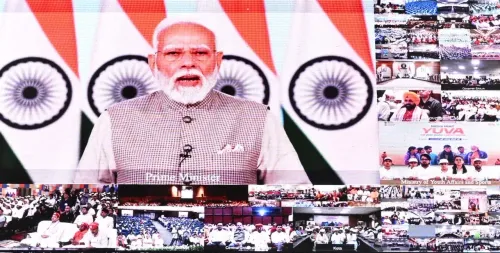
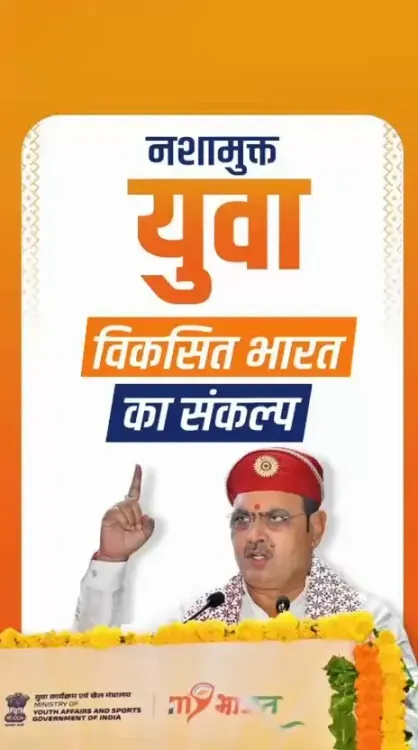
Prime Minister Narendra Modi launched the 'Nasha Mukt Yuva for Viksit Bharat Sankalp Abhiyan' on 2 August 2026. Rajasthan Chief Minister Bhajanlal Sharma joined via video conferencing from Udaipur, endorsing the campaign as a vital step in keeping India's youth free from substance abuse and advancing the Viksit Bharat 2047 vision.
Key Takeaways
PM Narendra Modi presided over the national launch of the 'Nasha Mukt Yuva for Viksit Bharat Sankalp Abhiyan' on 2 August 2026 .
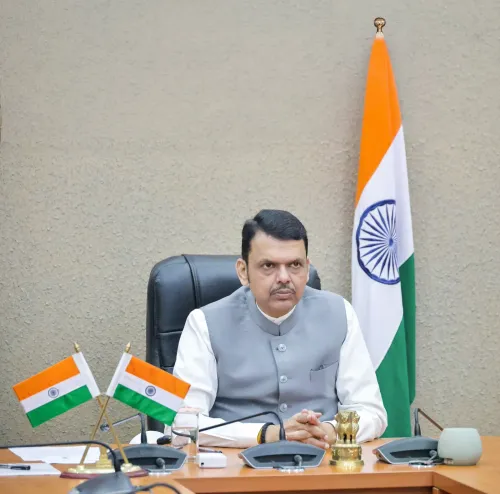
CM Bhajanlal Sharma participated via video conferencing from Udaipur , representing Rajasthan at the national event.
The campaign is framed as a youth-focused extension of the Nasha Mukt Bharat Abhiyan first launched in 2020 by the Ministry of Social Justice and Empowerment.
De-addiction of youth is positioned as integral to the Viksit Bharat 2047 national development goal.
State-level implementation — particularly district rollout in Rajasthan — is the immediate next step to watch.
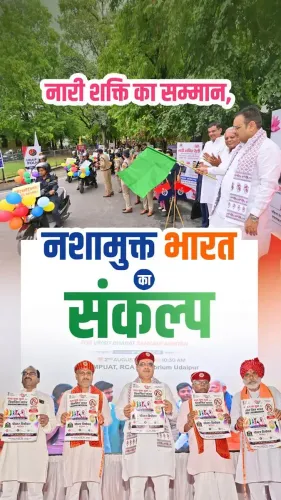
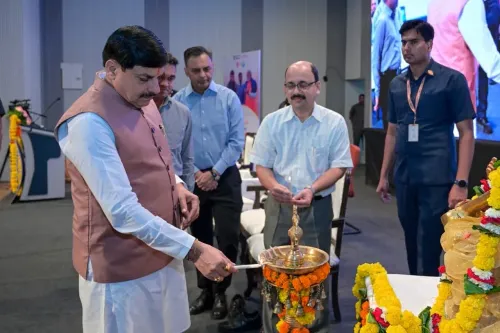
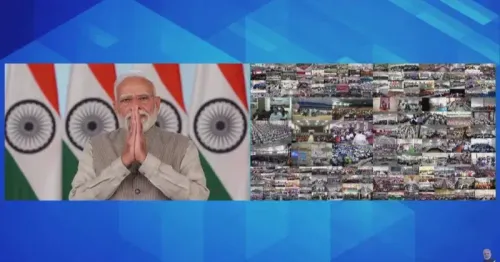
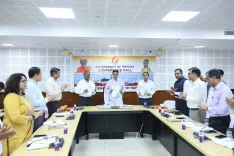
A national pledge against drugs took centre stage on Sunday, 2 August 2026, as Prime Minister Narendra Modi presided over the formal launch of the 'Nasha Mukt Yuva for Viksit Bharat Sankalp Abhiyan' — a campaign aimed at steering India's youth away from substance abuse and towards the country's Viksit Bharat 2047 development vision. Rajasthan's Chief Minister Bhajanlal Sharma joined the national launch via video conferencing from Udaipur, signalling the state's alignment with the Central initiative from the outset.
What CM Sharma said from Udaipur
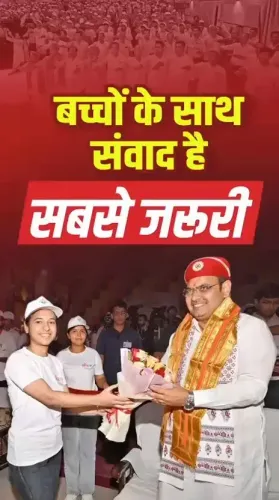
Speaking through the video link, CM Bhajanlal Sharma said the country is making continuous progress under PM Modi's leadership. He described the campaign as an 'prernadayi pahal' — an inspiring initiative — to keep youth away from addiction, calling the Prime Minister's personal involvement a powerful signal to young Indians across the country. The Chief Minister's Office of Rajasthan shared his remarks on X under the hashtag #AapnoAgraniRajasthan ('Our Pioneering Rajasthan').
The campaign and its roots in Nasha Mukt Bharat
The new campaign builds on the foundation laid by the Nasha Mukt Bharat Abhiyan, which the Ministry of Social Justice and Empowerment launched nationally in 2020 to combat substance abuse. That earlier drive targeted the most drug-affected districts across India, combining awareness outreach with rehabilitation support. The 2026 Sankalp Abhiyan sharpens the focus specifically on youth and frames de-addiction explicitly as a prerequisite for realising the Viksit Bharat 2047 goal — the government's long-term blueprint for India to become a developed nation by its centenary of independence.
Rajasthan's role and what follows
Udaipur's role as the state's point of virtual participation is itself a statement: the CM was present, connected, and on record. The next test is district-level rollout — whether Rajasthan translates the national launch energy into implementation committees, awareness drives, and rehabilitation infrastructure on the ground. State governments have historically been the delivery layer for such Central campaigns, and the spotlight now shifts to how quickly that machinery moves.
A generation of young Indians is the intended audience. Whether the campaign reaches them depends on what happens after the cameras switch off.
Point of View
Tying health policy to long-term national identity. CM Sharma's virtual participation from Udaipur is politically deliberate — it places Rajasthan visibly inside the national frame without requiring the CM to be in Delhi. The real measure of this campaign, however, will be district-level execution: past de-addiction drives have struggled to convert high-profile launches into sustained ground presence. If Rajasthan moves quickly on implementation committees, it could set a benchmark for other BJP-governed states.
NationPress
17 Sept 2026
Frequently Asked Questions
What is the Nasha Mukt Yuva for Viksit Bharat Sankalp Abhiyan?
It is a Central government campaign launched by PM Narendra Modi on 2 August 2026 to prevent drug and substance abuse among Indian youth, framed as a key step towards achieving the Viksit Bharat 2047 development goal.
Why did CM Bhajanlal Sharma join the event via video conferencing?
CM Bhajanlal Sharma was in Udaipur and joined the national launch programme through video conferencing to represent Rajasthan at the event while participating remotely.
What is the Nasha Mukt Bharat Abhiyan and how is the new campaign related?
The Nasha Mukt Bharat Abhiyan was launched in 2020 by the Ministry of Social Justice and Empowerment to combat substance abuse across India. The new 2026 Sankalp Abhiyan builds on it with a sharper focus on youth and the Viksit Bharat 2047 vision.
What is Viksit Bharat 2047?
Viksit Bharat 2047 is the Indian government's long-term blueprint to make India a fully developed nation by the year 2047 , the centenary of its independence, across economic, social, and health dimensions.
What happens next after the national launch in Rajasthan?
The focus shifts to district-level rollout in Rajasthan , where state authorities are expected to set up implementation committees and awareness drives to translate the national campaign into ground-level action.