CM Bhajan Lal to Join 'Loktantra Bachao' Padyatra in Kota
Synopsis
Rajasthan Chief Minister Bhajan Lal Sharma announced on X that he will participate in the 'Loktantra Bachao, Arajakta Hatao' padyatra in Kota on October 30, 2026, calling on citizens to unite against anarchy and uphold democratic values.
Key Takeaways
CM Bhajan Lal Sharma will personally participate in the Loktantra Bachao, Arajakta Hatao padyatra in Kota on 30 October 2026 .
The march is framed around 'saving democracy' and 'removing anarchy' — a broad rhetorical stance rather than a direct attack on a named opponent.
Sharma announced his participation via a post on X on the evening of 29 October 2026 .
Kota , Rajasthan's prominent coaching-hub city, provides a high-visibility, nationally-recognised setting for the event.
The BJP has headed the Rajasthan government since December 2023 , when Sharma was installed as Chief Minister after the party's assembly election victory.
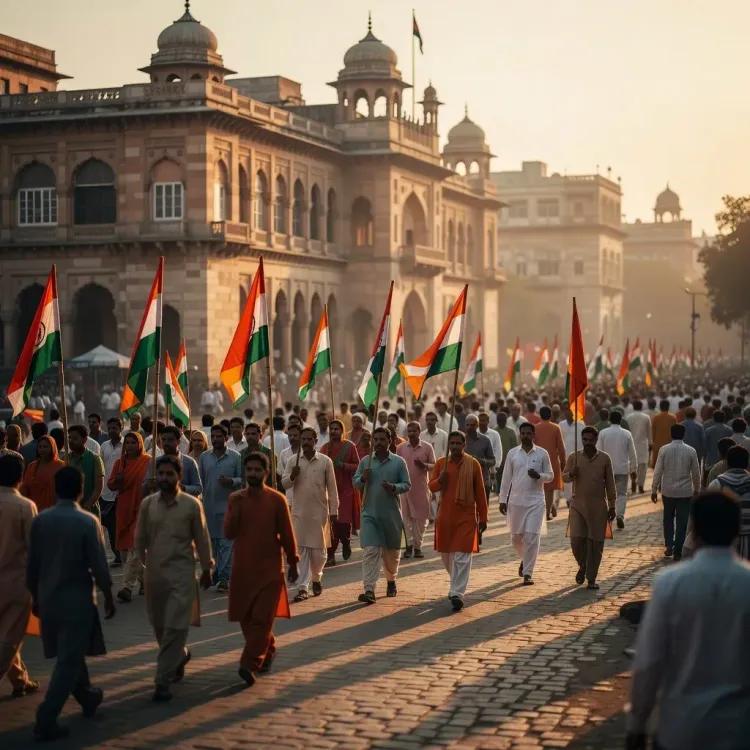
A public march through the streets of Kota is set to draw Rajasthan Chief Minister Bhajan Lal Sharma into its ranks on Friday, October 30, 2026 — as the BJP-led government turns a padyatra into a statement of democratic resolve.
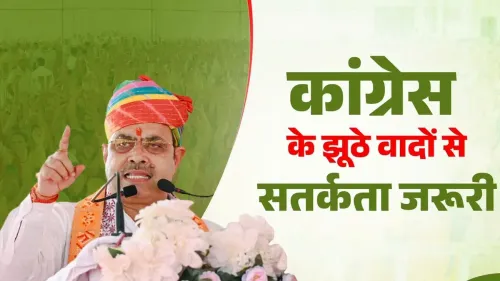
Posting on X on Thursday evening, CM Sharma announced his participation in the 'Loktantra Bachao, Arajakta Hatao' ('Save Democracy, Remove Anarchy') padyatra, declaring: 'With a commitment to public interest and a resolve to protect democratic values, I will join the march being held in Kota tomorrow.' He called on citizens to 'raise their voice unitedly against anarchy, uphold the dignity of democracy, and give new strength to the resolve of public interest.'
Kota as the Stage for a Political March
Kota, Rajasthan's fourth-largest city and the country's most recognised hub for competitive-exam coaching, gives the event a high-visibility backdrop. The city sits in the southeastern corner of the state and carries outsized symbolic weight — a place where lakhs of students and their families intersect with the machinery of aspiration and governance.
The choice of Kota for a padyatra headlined by the Chief Minister signals an intent to reach beyond the state capital and carry the ruling party's message directly into an urban centre with a national profile.
BJP's Padyatra Politics in Post-2023 Rajasthan
Bhajan Lal Sharma took office in December 2023 after the Bharatiya Janata Party won the Rajasthan assembly elections, ending the Congress government of Ashok Gehlot. Since then, the state has seen recurring cycles of padyatras and public mobilisation from both sides of the political aisle — a pattern well established in Rajasthan's competitive political culture.
Ruling parties in Indian states have long used such marches to project commitment to law and order, counter opposition narratives, and energise cadre. The framing of 'anarchy' as the adversary — rather than a named political opponent — is a calculated rhetorical choice: it broadens the tent, invites citizens rather than just partisans, and frames the government as a defender of constitutional order.
What Follows the March
The padyatra itself is the announcement; the reaction from opposition parties and any official statements emerging from Kota will determine whether the event lands as a governance moment or settles into the routine rhythm of state-level political theatre. With the CM personally leading the march rather than delegating, the stakes — and the visibility — are deliberately raised.
Rajasthan's political calendar is watching Kota closely tomorrow.
Point of View
CM Sharma is making a deliberate choice to keep himself at the centre of Rajasthan's political narrative, nearly three years into the BJP's tenure. The 'anarchy' framing — without naming the Congress or any specific opponent — is a tactical escalation: it casts the government as a constitutional defender and forces the opposition to either accept or contest the premise. Such marches in Indian state politics rarely shift the ground alone, but they serve as cadre-energising exercises and media moments that help a ruling party write its own story heading into the mid-term of a legislative cycle.
NationPress
29 Oct 2026
Frequently Asked Questions
What is the 'Loktantra Bachao, Arajakta Hatao' padyatra in Kota?
It is a public march organised in Kota, Rajasthan on 30 October 2026 , themed around saving democracy and removing anarchy, which Chief Minister Bhajan Lal Sharma has announced he will join.
Who is participating in the Kota padyatra on October 30?
Rajasthan Chief Minister Bhajan Lal Sharma announced his personal participation, calling it an event of public interest and democratic commitment.
Why is CM Bhajan Lal Sharma joining the democracy march?
Sharma cited his commitment to public interest and the protection of democratic values as the reasons for joining the padyatra, calling on citizens to unite against anarchy.
Where is Bhajan Lal Sharma's 'Loktantra Bachao' march being held?
The march is being held in Kota , a major city in southeastern Rajasthan known as India's leading hub for competitive-exam coaching centres.
When did Bhajan Lal Sharma become Chief Minister of Rajasthan?
Bhajan Lal Sharma became Chief Minister of Rajasthan in December 2023 , after the BJP won the state assembly elections.