Rahul Gandhi condoles Cyclone Arnab deaths in Andhra Pradesh
Synopsis
Congress leader Rahul Gandhi on October 29, 2026, offered condolences over deaths caused by Cyclone Arnab in Andhra Pradesh and severe flooding in Odisha, calling for support to all those who lost their homes.
Key Takeaways
Rahul Gandhi posted a condolence message on October 29, 2026 regarding Cyclone Arnab's impact on Andhra Pradesh and flooding in Odisha .
He expressed 'heartfelt condolences' to families who lost loved ones and said his thoughts were with those who lost their homes.
Andhra Pradesh and Odisha are among India's most cyclone-prone states, regularly struck by Bay of Bengal weather systems during the post-monsoon period.
India's disaster-response framework is governed by the Disaster Management Act, 2005 , which established the National Disaster Management Authority .
Official damage assessments and central-state coordination on relief and rehabilitation packages are expected to follow the disaster.
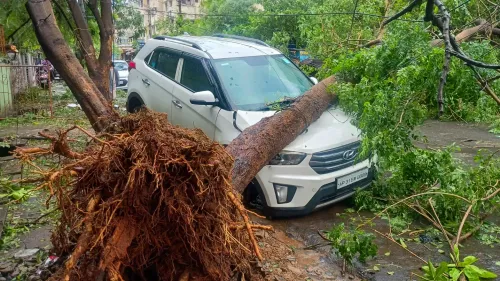
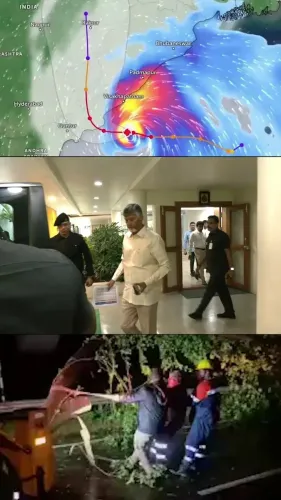
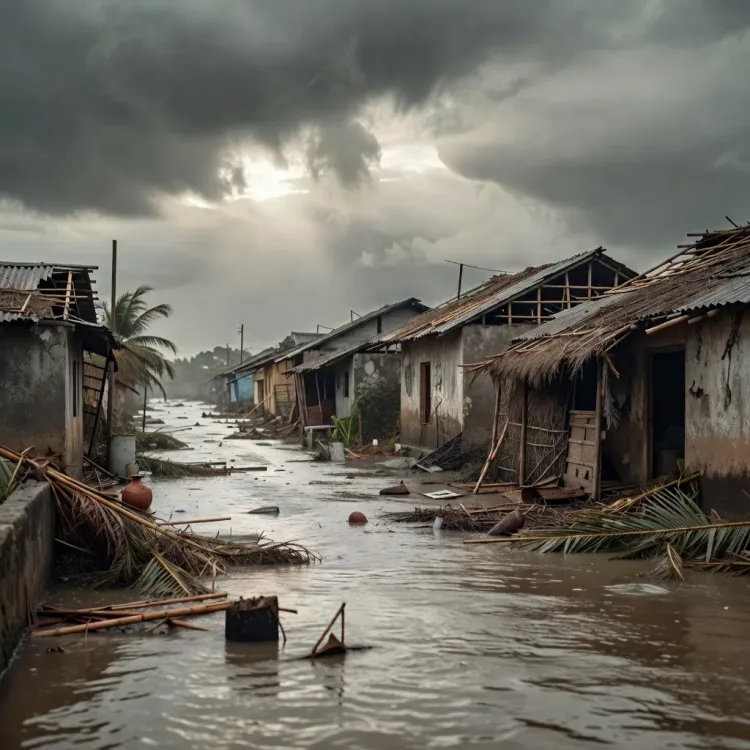
As Cyclone Arnab tore through Andhra Pradesh and relentless rains submerged stretches of Odisha, Congress leader Rahul Gandhi on Thursday, October 29, 2026, expressed deep concern over the devastation and offered condolences to families who have lost loved ones.
Gandhi, the Leader of the Opposition in the Lok Sabha, wrote: 'Deeply concerned by the devastation caused by Cyclone Arnab in Andhra Pradesh and the heavy rainfall and flooding in Odisha. My heartfelt condolences to the families who have lost their loved ones. My thoughts are with everyone affected, those who have lost their homes.'
Andhra Pradesh and Odisha: India's most cyclone-exposed coastline
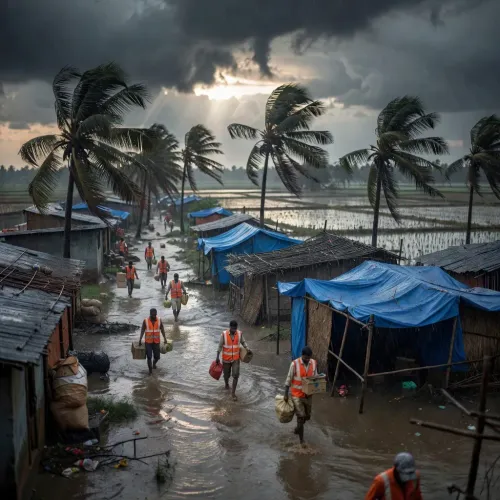
India's eastern seaboard bears the brunt of Bay of Bengal weather systems with grim regularity. Andhra Pradesh and Odisha sit squarely in the path of post-monsoon cyclones that intensify over the warm, shallow waters of the bay before making landfall. Both states have endured repeated cycles of evacuation, destruction, and rebuilding — shaping some of the most tested disaster-response machinery in the country.
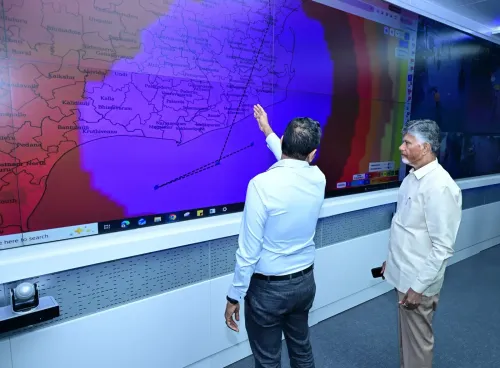
The institutional backbone for that response, the Disaster Management Act of 2005, created the National Disaster Management Authority and mandated state-level equivalents. The framework is designed precisely for moments like this — coordinating relief, deploying teams, and channelling central funds to affected districts.
Condolences from the Opposition, and what follows next
Statements of solidarity from political leaders after major disasters are a familiar feature of Indian public life — but they also serve as political markers, signalling that the Opposition is watching how central and state governments coordinate relief and rehabilitation. Damage assessments, central assistance packages, and the pace of reconstruction will now draw scrutiny from across the political spectrum.
For the families who lost homes and loved ones along the coast, the harder work — rebuilding lives — has only just begun.
Point of View
The episode will test the central government's coordination under the Disaster Management Act, 2005 framework. How swiftly relief packages flow from New Delhi to state governments, and how robustly they are implemented, will shape the political narrative in the weeks ahead. Condolences mark the opening move; accountability for reconstruction will be the real contest.
NationPress
30 Oct 2026
Frequently Asked Questions
What did Rahul Gandhi say about Cyclone Arnab?
Rahul Gandhi said he was 'deeply concerned by the devastation caused by Cyclone Arnab in Andhra Pradesh' and offered heartfelt condolences to families who lost their loved ones, also expressing solidarity with those who lost their homes.
Which states were hit by Cyclone Arnab in 2026?
Cyclone Arnab caused devastation in Andhra Pradesh , while Odisha experienced severe heavy rainfall and flooding around the same time in late October 2026 .
Why are Andhra Pradesh and Odisha so vulnerable to cyclones?
Both states lie on India's eastern coast along the Bay of Bengal, which generates frequent and intense cyclones during the post-monsoon season due to warm sea-surface temperatures and favourable atmospheric conditions.
What is India's institutional framework for cyclone disaster response?
The Disaster Management Act, 2005 established the National Disaster Management Authority at the central level and mandated state-level authorities to coordinate preparedness, evacuation, relief, and rehabilitation during disasters.
What comes after political condolence statements during a cyclone disaster?
After initial condolences, the focus typically shifts to official damage assessments, deployment of relief teams, central assistance packages, and long-term rehabilitation — areas that also invite Opposition scrutiny of government performance.