CM Bhajan Lal Lauds Baghel Society's Role in Sanatan Heritage
Synopsis
Rajasthan Chief Minister Bhajan Lal Sharma on 31 May 2026 praised the Baghel community for its 'unparalleled' contribution to Sanatan culture, highlighting dharamshalas built at pilgrimage sites as a fulfilment of Mata Ahilyabai Holkar's vision of service to Hindu pilgrims.
Key Takeaways
Bhajan Lal Sharma , Chief Minister of Rajasthan , posted a tribute to the Baghel community on 31 May 2026 .
He called the community's contribution to nation-building and Sanatan culture 'unparalleled.' The post highlighted dharamshalas built by the Baghel society at religious sites as symbols of their service ethos.
The tribute explicitly invokes the legacy of Mata Ahilyabai Holkar , the 18th-century Malwa queen renowned for constructing pilgrim facilities across India.
The statement is consistent with the Rajasthan BJP government's pattern of recognising community contributions to religious and cultural heritage.
Rajasthan Chief Minister Bhajan Lal Sharma on Sunday, 31 May 2026, paid tribute to the Baghel community, calling their contribution to nation-building and the preservation of Sanatan culture 'unparalleled.' The Chief Minister specifically highlighted the dharamshalas — pilgrim rest houses — built by the community at religious sites across the country as a symbol of their spirit of service.
Context
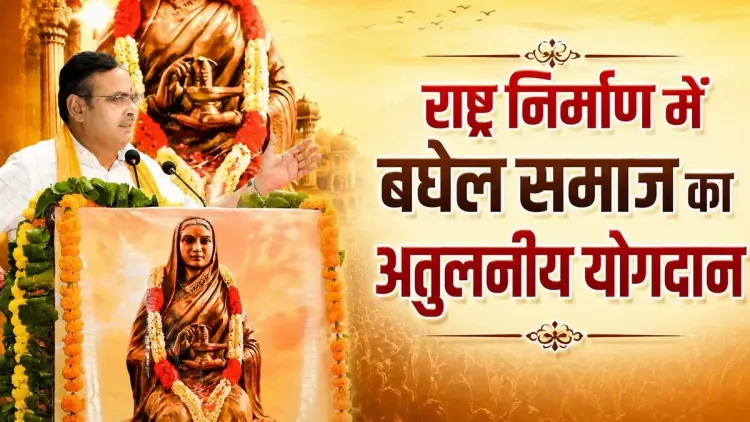
Posting on X, Sharma wrote in Hindi: 'Rashtra nirman aur Sanatan Sanskriti ke sanrakshan mein Baghel samaj ka yogdan atulaniya hai' — 'The contribution of the Baghel society to nation-building and the preservation of Sanatan culture is unparalleled.' He noted that the community, by fulfilling the vision of Mata Ahilyabai Holkar, has constructed dharamshalas at various religious sites for the convenience of devotees, calling these a symbol of the community's dedication to service.
The post was accompanied by a video, suggesting it may be linked to a community event or gathering, though no specific event details were stated in the post itself.
Policy Backdrop
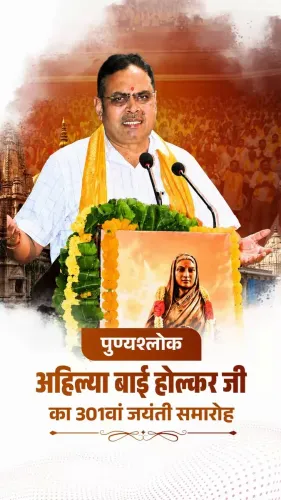
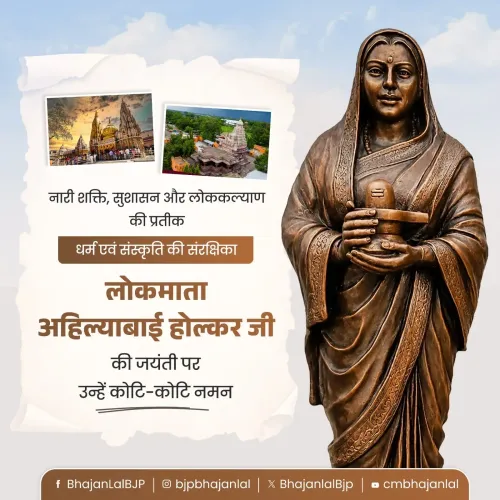
Mata Ahilyabai Holkar, the 18th-century queen of Malwa, is historically recognised for an extensive programme of constructing and renovating temples, ghats, roads, and pilgrim rest houses at major Hindu pilgrimage sites including Varanasi, Dwarka, and Rameswaram. Her legacy is widely invoked in cultural and political discourse as a model of public service rooted in religious devotion.
The BJP, both at the national and state level, has consistently emphasised cultural heritage and temple-related development as policy priorities since 2014. In Rajasthan, the ruling BJP government under Sharma has periodically issued statements recognising community contributions to religious infrastructure, forming part of a broader outreach to OBC and other communities through symbolic recognition.
Stakeholders and Impact
The Baghel community, referenced in the Chief Minister's post, is acknowledged for maintaining religious infrastructure at pilgrimage sites. Hindu pilgrims who use dharamshalas at these sites are the direct beneficiaries of the community's efforts, which the Chief Minister framed as a continuation of Ahilyabai Holkar's centuries-old vision of accessible pilgrimage facilities.
Such public acknowledgements by senior state leaders carry symbolic weight for community identity and can strengthen ties between the ruling party and specific social groups ahead of local or state-level political cycles. The statement reflects a pattern of the Rajasthan government using cultural messaging to reinforce its connect with communities engaged in religious and social service.
What's Next
The Chief Minister's remarks may signal further state-level engagement with the Baghel community or broader announcements around pilgrim amenities at Rajasthan's religious sites. Observers will watch whether the tribute is followed by concrete policy initiatives — such as upgrades to dharamshalas or pilgrim infrastructure — or remains part of the government's ongoing cultural outreach calendar.
Point of View
The statement elevates community service into a civilisational narrative. This kind of symbolic recognition, directed at OBC and socially active communities, has been a consistent tool of political consolidation for the Rajasthan BJP. Whether it translates into tangible pilgrim-infrastructure policy will determine if it moves beyond electoral optics.
NationPress
21 Sept 2026
Frequently Asked Questions
What did Rajasthan CM Bhajan Lal Sharma say about the Baghel community?
CM Bhajan Lal Sharma said the Baghel community's contribution to nation-building and the preservation of Sanatan culture is 'unparalleled,' and praised the dharamshalas built by the community at religious sites as a symbol of their service spirit.
Who was Mata Ahilyabai Holkar and why is she referenced?
Mata Ahilyabai Holkar was an 18th-century queen of Malwa known for constructing temples, ghats, and pilgrim rest houses at major Hindu pilgrimage sites across India. CM Sharma invoked her legacy to frame the Baghel community's dharamshala-building as a continuation of her vision.
What are dharamshalas and why are they significant for pilgrims?
Dharamshalas are rest houses built at or near religious sites to provide affordable accommodation and facilities for Hindu pilgrims. They have a long tradition in India, with Ahilyabai Holkar among the most celebrated historical patrons of such infrastructure.
Why does the Rajasthan CM regularly issue statements on community and cultural themes?
The Rajasthan BJP government under CM Bhajan Lal Sharma periodically recognises community contributions to religious and cultural heritage as part of its outreach to OBC and other communities, reinforcing the party's emphasis on Sanatan culture and temple-related development.
Is there a new government scheme linked to this statement?
No specific new scheme or policy announcement was made in the post. The statement is a tribute and recognition of the Baghel community's existing contributions, though it may precede future announcements on pilgrim amenities in Rajasthan.