CM Bhajan Lal leads Run for Unity on Patel's 151st birth anniversary
Synopsis
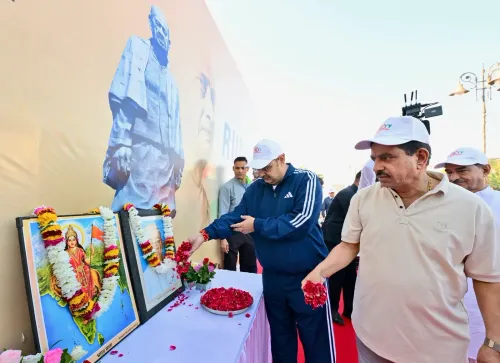
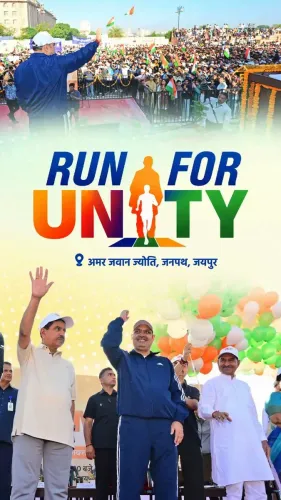
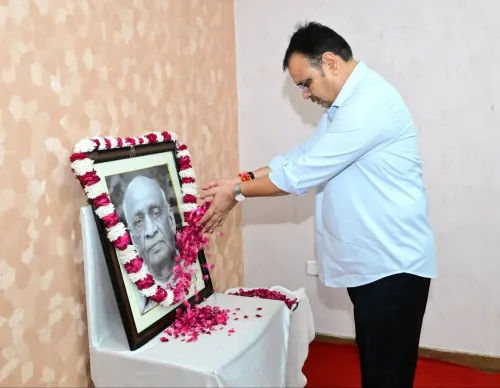
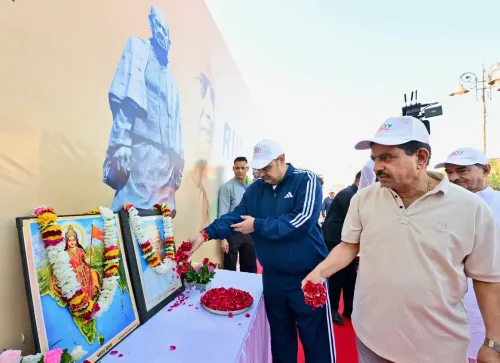
Rajasthan Chief Minister Bhajan Lal Sharma led the 'Run for Unity' event in Jaipur on 31 October 2026, marking the 151st birth anniversary of Sardar Vallabhbhai Patel and National Unity Day with a live-streamed public run.
Key Takeaways
Rajasthan CM Bhajan Lal Sharma hosted the 'Run for Unity' programme in Jaipur on 31 October 2026 .
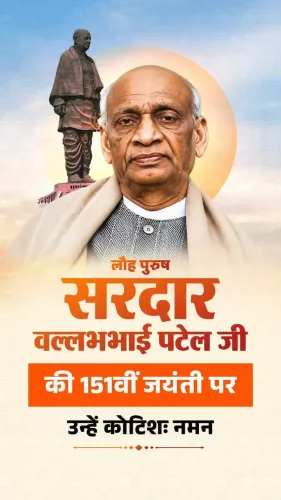
The event marks the 151st birth anniversary of Sardar Vallabhbhai Patel, India's Iron Man who integrated over 500 princely states post-independence.
National Unity Day was declared on 31 October by the central government in 2014 to annually honour Patel's legacy.
The Run for Unity is a nationwide annual event; state governments across India hold parallel programmes on the same date.
CM Sharma broadcast the Jaipur event live, reflecting the state government's active participation in the national commemoration.
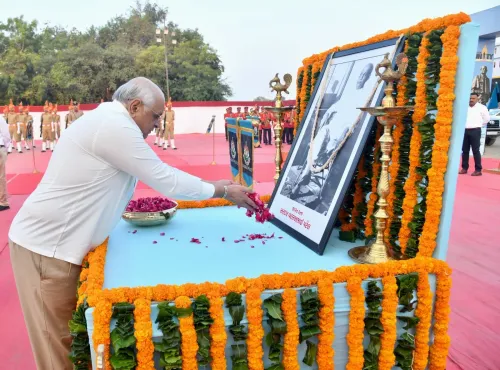
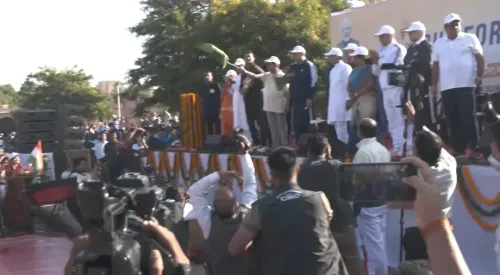
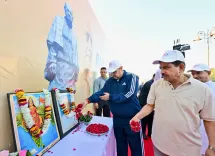
On the 151st birth anniversary of Sardar Vallabhbhai Patel, Rajasthan Chief Minister Bhajan Lal Sharma kicked off the 'Run for Unity' programme in Jaipur on Saturday, 31 October 2026 — bringing the state capital to its feet to honour the man who stitched a fractured subcontinent into one nation.
A run that carries the weight of 500 princely states
Sardar Vallabhbhai Patel, India's first Deputy Prime Minister and Home Minister, earned the title Lohe ke Aadmi — the Iron Man of India — by engineering the integration of more than 500 princely states into the Indian Union after independence in 1947. No other act of statecraft in modern Indian history compressed so much political geography into so short a time. The Run for Unity is, at its core, a moving salute to that achievement.
CM Sharma's post carried a live broadcast link from Jaipur, signalling the state government's intent to mark the day with public energy rather than a closed-door ceremony. Participants — students, government employees, and citizens — took to the streets in a collective display of the unity theme that Patel's legacy represents.
National Unity Day and the Run for Unity tradition
The central government declared 31 October as National Unity Day in 2014, institutionalising the commemoration of Patel's birth anniversary as an all-India occasion. The Run for Unity programme was introduced alongside the declaration, and has since become an annual ritual replicated by state governments across the country.
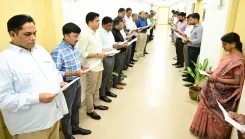
Rajasthan, with Jaipur as its nerve centre, joins a nationwide pattern of state-level runs, flag-hoisting ceremonies, and public pledges on this date every year. The consistency of the observance across administrations of different political colours underscores how firmly Patel's role in post-independence consolidation has entered the national civic calendar.
For CM Bhajan Lal Sharma, hosting the event publicly — and broadcasting it live on social media — also plants the BJP-led state government's flag squarely in the Patel tribute tradition, a political and cultural space the party has actively cultivated since 2014.
Seventy-nine years after Patel's finest hour, a morning run in Jaipur is a reminder that the most consequential borders in Indian history were dissolved not by armies, but by one determined man's phone calls, persuasion, and iron will — and that the republic he helped shape still finds it worth lacing up its shoes for him.
Point of View
CM Sharma's public hosting of the Jaipur edition is consistent with the party's broader strategic investment in the Patel legacy since 2014, when National Unity Day was created. The live-stream element signals an intent to reach younger, digitally connected audiences with a civic message. Across India's federal structure, the uniformity of 31 October observances is itself a quiet statement about how deeply Patel's integration project has been absorbed into the national self-image.
NationPress
31 Oct 2026
Frequently Asked Questions
What is the Run for Unity?
Run for Unity is an annual fitness and awareness event held across India on 31 October — National Unity Day — to honour Sardar Vallabhbhai Patel's role in integrating over 500 princely states into post-independence India. It was launched by the central government in 2014.
Why is 31 October celebrated as National Unity Day?
31 October is the birth anniversary of Sardar Vallabhbhai Patel. The central government declared it National Unity Day (Rashtriya Ekta Diwas) in 2014 to commemorate Patel's contribution to India's territorial and political integration after independence.
What did CM Bhajan Lal Sharma do on Patel's 151st birth anniversary?
Rajasthan Chief Minister Bhajan Lal Sharma hosted and participated in the 'Run for Unity' programme in Jaipur on 31 October 2026 , broadcasting the event live on social media.
Who was Sardar Vallabhbhai Patel?
Sardar Vallabhbhai Patel was India's first Deputy Prime Minister and Home Minister, widely known as the 'Iron Man of India.' He is credited with overseeing the integration of more than 500 princely states into the Indian Union after 1947.
Where was the Run for Unity held in Rajasthan in 2026?
The Run for Unity event for Rajasthan was held in Jaipur , the state capital, and was presided over by Chief Minister Bhajan Lal Sharma on 31 October 2026 .