CM Bhajan Lal meets new Nagar Nigam councillors after Mann Ki Baat
Synopsis
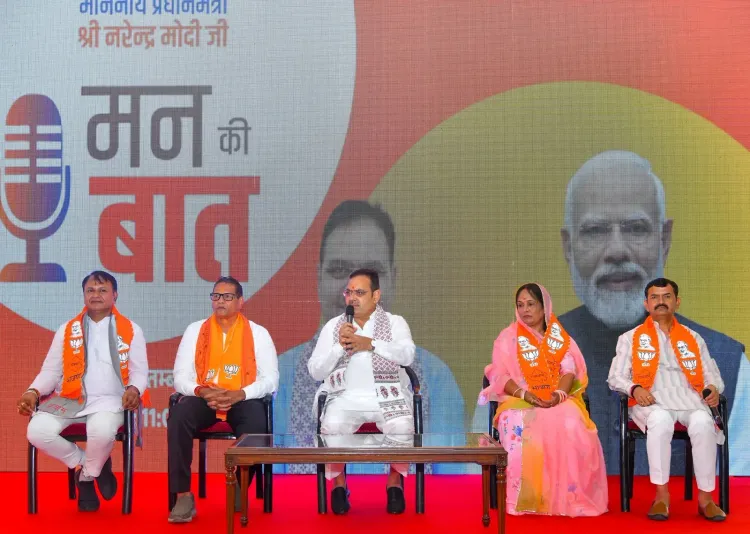
Rajasthan CM Bhajan Lal Sharma convened a meeting with newly elected Nagar Nigam councillors right after PM Modi's Mann Ki Baat address, calling on them to work as a team for all-round urban development and pledging his government's commitment to city growth.
Key Takeaways
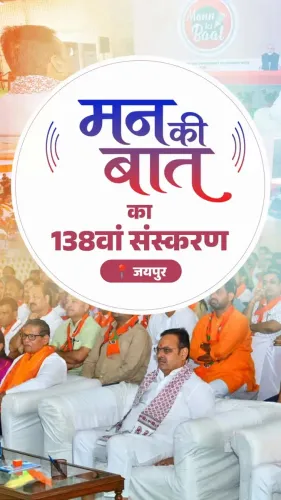
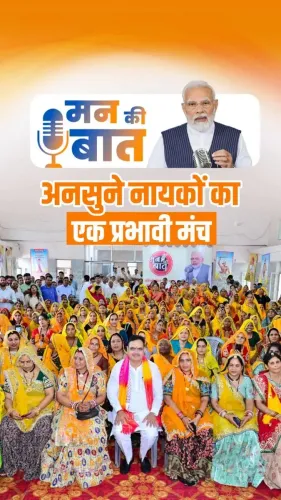
CM Bhajan Lal Sharma met newly elected Nagar Nigam councillors and BJP workers on Sunday, September 27, 2026 .
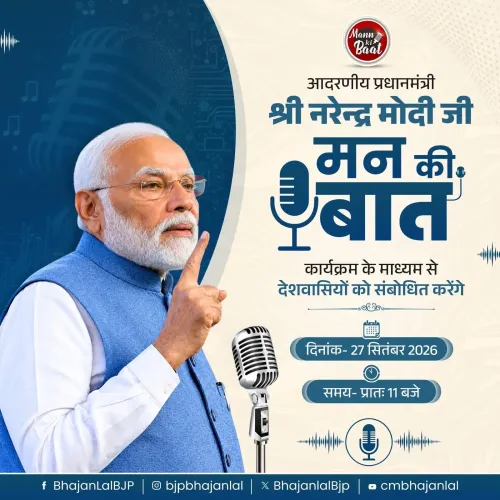
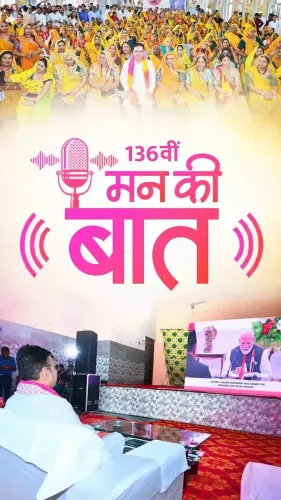
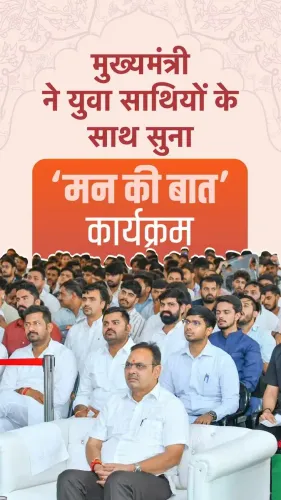
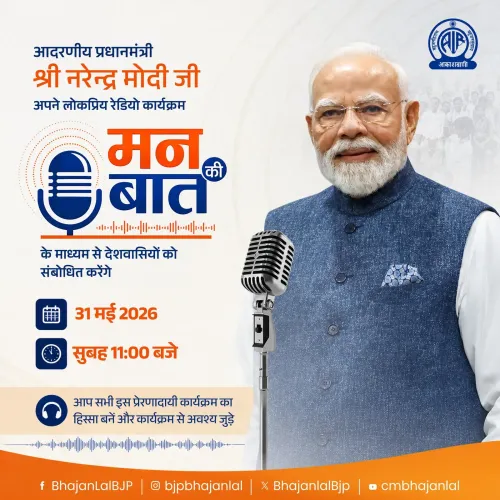
The meeting was held immediately after the group listened together to PM Narendra Modi 's monthly Mann Ki Baat radio programme.
Mann Ki Baat was launched by Prime Minister Modi in October 2014 as a direct outreach initiative with citizens.
Sharma urged new councillors to function as a unified team and deliver chahunmukhi vikas (all-round city development) in line with public aspirations.
The state government reaffirmed its commitment to urban development, linking to central schemes such as AMRUT , launched in 2015 .
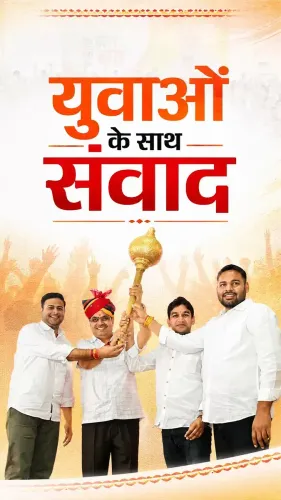
Fresh from listening to Prime Minister Narendra Modi's monthly radio address Mann Ki Baat, Rajasthan Chief Minister Bhajan Lal Sharma on Sunday, September 27 sat down with newly elected Nagar Nigam councillors and party workers for what he described as an 'aatmiya samvaad' — a heartfelt conversation — to set the tone for their tenure in urban governance.
Mann Ki Baat as a rallying frame
The choice of timing was deliberate. Mann Ki Baat, launched by Prime Minister Modi in October 2014, has served as a monthly touchpoint between the central government and citizens across the country — 'meri baat, aapke saath' broadcast on All India Radio reaching hundreds of millions. By gathering councillors immediately after the programme, CM Sharma drew a direct line between the Prime Minister's national messaging and the ground-level responsibilities of municipal representatives in Rajasthan's cities.
What CM Sharma told the new councillors
Sharma extended congratulations to the freshly elected ward representatives and framed their election as a 'new responsibility of public service' — not a reward but an obligation. He urged them to unite as a team, rise to citizens' aspirations, and work toward what he called 'chahunmukhi vikas' — all-round development of the city. The message was clear: constituency wins should translate into civic delivery, not factional comfort.
The Chief Minister also invoked his government's commitment, stating that 'our government is working with dedication towards public service and the holistic development of cities.' The pledge echoes the central government's AMRUT (Atal Mission for Rejuvenation and Urban Transformation) scheme, launched in 2015, which has channelled funds into urban infrastructure across Rajasthan, covering water supply, sewerage, parks, and transport connectivity in designated cities.
The BJP's urban-governance push in Rajasthan
The meeting is a textbook example of how the state BJP leadership knits together three levels of party and government: the Prime Minister's mass outreach, the Chief Minister's state mandate, and the newest entrants — local body councillors — who are the closest point of contact between government and the urban resident. For the party, activating this chain quickly after elections is standard operating procedure: new councillors are briefed on the party line before they settle into the slower rhythms of municipal committees.
For Rajasthan's urban residents, the real test will be whether these councillors convert Sunday's instructions into ward-level action — potholed roads repaired, drains cleared, parks maintained, and grievances actually addressed. The conversation has been had. The clock on delivery starts now.
Point of View
The Chief Minister amplifies it at the state level, and newly elected local-body representatives are immediately brought into the fold before independent instincts can take hold. It signals that the party sees urban local bodies as a key governance — and political — front in Rajasthan. The AMRUT lineage gives the state a ready policy hook to link councillors' ward work to a credible central framework. The real analytical question is whether this top-down orientation-session culture translates into measurable civic outcomes, or whether it remains a well-photographed moment of alignment.
NationPress
27 Sept 2026
Frequently Asked Questions
What is Mann Ki Baat and when was it started?
Mann Ki Baat is a monthly radio programme hosted by Prime Minister Narendra Modi, launched in October 2014, to connect directly with citizens on governance, development, and social issues.
Why did CM Bhajan Lal Sharma meet Nagar Nigam councillors?
CM Sharma met newly elected municipal councillors to congratulate them, brief them on their responsibilities, and urge them to pursue all-round urban development as a united team.
What is Nagar Nigam in Rajasthan?
Nagar Nigam refers to municipal corporations in Rajasthan that handle local urban administration, infrastructure, civic amenities, and development for city residents.
What is the AMRUT scheme mentioned in the context of Rajasthan cities?
AMRUT — the Atal Mission for Rejuvenation and Urban Transformation — is a central government scheme launched in 2015 that funds urban infrastructure such as water supply, sewerage, parks, and transport in cities, including those in Rajasthan.
What did CM Bhajan Lal Sharma tell the new councillors?
He urged them to work as a unified team, fulfil citizens' aspirations, and focus on all-round city development, while reaffirming the state government's commitment to public service and urban growth.