CM Bhajan Lal performs Kanya Puja on Ashtami-Navami
Synopsis
On Ashtami-Navami, Rajasthan CM Bhajan Lal Sharma performed Kanya Puja at his official residence temple in Jaipur, honouring young girls as manifestations of Maa Durga and renewing his government's pledge to make every daughter in the state empowered, self-reliant, and safe.
Key Takeaways
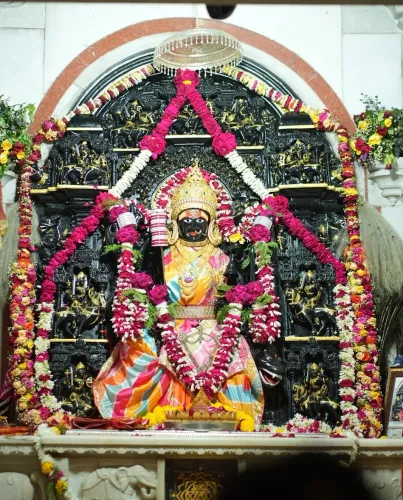
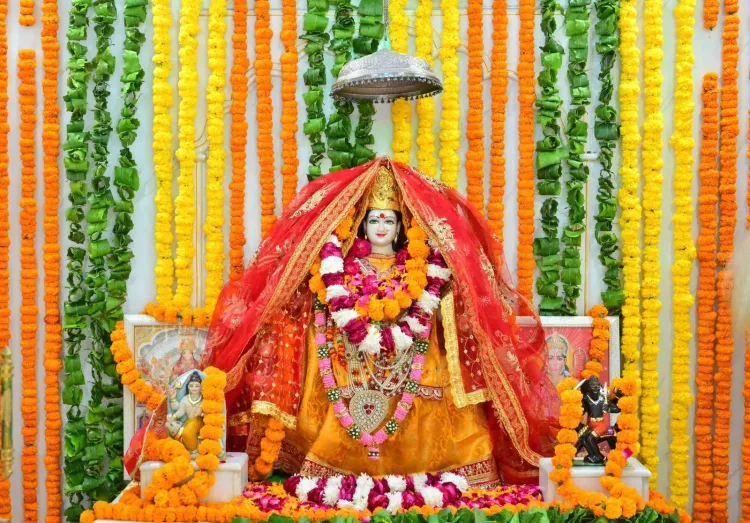
Bhajan Lal Sharma observed Ashtami and Mahanavami rituals at the Maa Raj Rajeshwari temple at his official residence in Jaipur on 19 October 2026 .
The CM performed Kanya Pujan , venerating young girls as living forms of Maa Durga , following full ritual rites.
Sharma publicly declared his government's 'supreme resolve' to make every daughter in Rajasthan empowered, self-reliant, and safe .
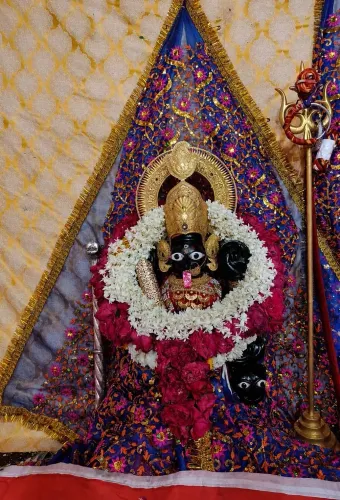
He offered prayers to Aadishakti Maa Bhavani for the prosperity and well-being of all Rajasthan residents.
The observance follows a broader pattern of Indian chief ministers using Navratri to align religious tradition with state-level commitments on women's welfare.
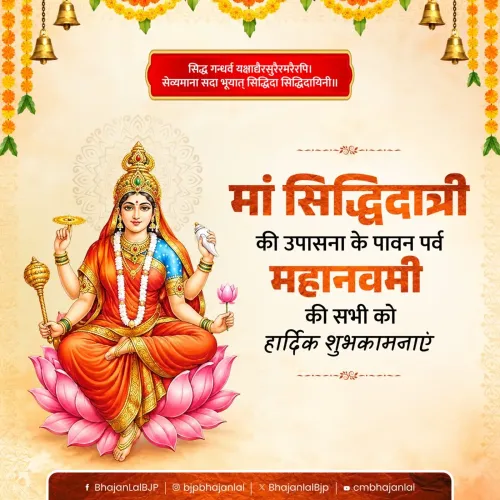
On the auspicious confluence of Ashtami and Mahanavami, Rajasthan Chief Minister Bhajan Lal Sharma offered prayers at the Maa Raj Rajeshwari temple within his official residence in Jaipur on Monday, 19 October 2026 — and then bent to touch the feet of young girls, honouring them as living embodiments of the goddess.
The Chief Minister performed the ritual Kanya Pujan — the veneration of young girls as manifestations of Maa Durga — following the prescribed rites of vidhi-vidhan at the temple. Posting photographs of the observance, Sharma wrote that 'daughters are the sacred form of Shakti and affection, whose bright faces fill every courtyard with joy.'
A vow for every daughter in Rajasthan
Beyond the ritual, Sharma framed the occasion as a public commitment: 'That every daughter of the state becomes empowered, self-reliant and safe — this is our supreme resolve,' he wrote. The statement ties the ancient tradition of Kanya Puja directly to the state government's stated policy priorities on girl-child welfare, safety, and economic independence.
He also offered prayers to Aadishakti Maa Bhavani for the happiness, prosperity, good health and blessed life of all residents of Rajasthan, closing with the invocation: 'May Maa Bhavani's grace always remain upon us all.'
Navratri, Kanya Puja, and the CM's residence temple
Performing Navratri rituals at the official residence is a longstanding practice among Indian chief ministers, lending state-level visibility to a tradition observed in millions of households across the country. The Maa Raj Rajeshwari temple at the Chief Minister's residence in Jaipur serves as the site for these official observances. Kanya Puja on the eighth and ninth days of Navratri — where girls, typically between the ages of two and ten, are worshipped, fed, and gifted — is considered the festival's devotional climax.
Sharma, who assumed office in December 2023 after the BJP's victory in the Rajasthan assembly elections, has consistently woven the themes of women's safety and beti bachao (save the daughter) into his public messaging during religious occasions.
As Navratri draws to a close, the Chief Minister's message is clear: the goddess worshipped in the temple and the girl educated in the village schoolroom are, in his framing, the same — and the state's obligation runs to both.
Point of View
Women's safety and self-reliance in Rajasthan. The BJP, which returned to power in the state in December 2023, has made 'beti bachao' rhetoric central to its governance brand. By performing the ritual at his official residence rather than a public venue, Sharma projects personal piety while keeping the messaging intimate and accessible to voters. The real test will be whether the devotional commitment translates into measurable outcomes on girl-child safety and welfare schemes in the months ahead.
NationPress
19 Oct 2026
Frequently Asked Questions
What is Kanya Puja and why is it performed on Ashtami or Navami?
Kanya Puja is a Hindu ritual performed on the eighth (Ashtami) or ninth (Navami) day of Navratri in which young girls are worshipped as living embodiments of the goddess Durga. They are offered food, gifts, and blessings, and the ritual is considered the devotional peak of the festival.
Where did CM Bhajan Lal Sharma perform Navratri puja in 2026?
CM Bhajan Lal Sharma performed the Navratri puja and Kanya Pujan at the Maa Raj Rajeshwari temple located within his official residence in Jaipur on 19 October 2026.
What did Bhajan Lal Sharma say about daughters and women's safety during Navratri?
Sharma stated that daughters are 'the sacred form of Shakti and affection' and declared that making every daughter in Rajasthan empowered, self-reliant, and safe is his government's 'supreme resolve.'
When did Bhajan Lal Sharma become Chief Minister of Rajasthan?
Bhajan Lal Sharma became Chief Minister of Rajasthan in December 2023 following the BJP's victory in the state assembly elections.
What prayers did Rajasthan CM offer on Mahanavami 2026?
On Mahanavami 2026, CM Bhajan Lal Sharma prayed to Aadishakti Maa Bhavani for the happiness, prosperity, good health, and blessed life of all residents of Rajasthan.