CM Bhajan Lal Sharma Inaugurates Pushkar Fair 2026
Synopsis
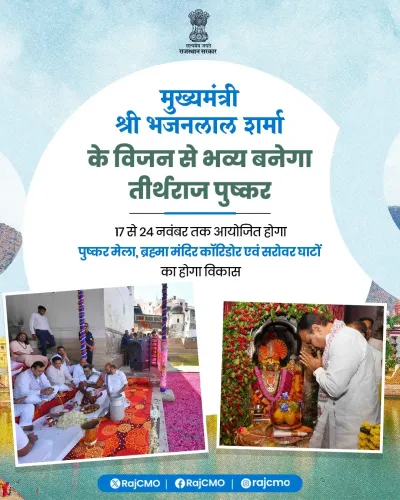
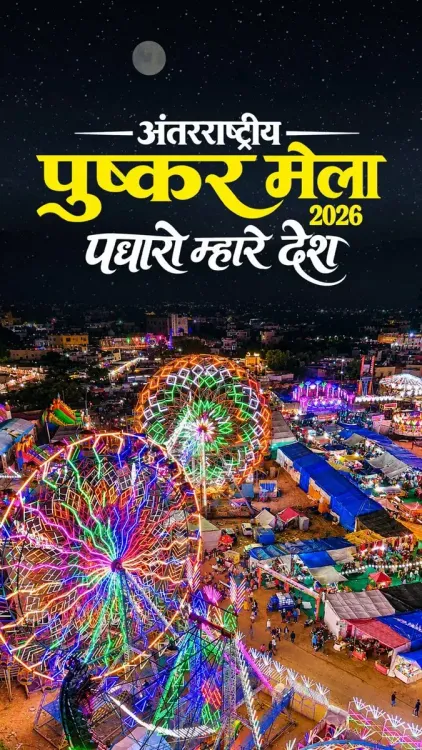
Rajasthan Chief Minister Bhajan Lal Sharma inaugurated the International Pushkar Fair on November 17, 2026, welcoming pilgrims, livestock keepers, and global tourists to Pushkar's annual confluence of faith, culture, and tradition.
Key Takeaways
Rajasthan CM Bhajan Lal Sharma extended greetings on the grand inauguration of the International Pushkar Fair 2026 on November 17, 2026 .
The fair is held annually in Pushkar, Ajmer district , during the Hindu month of Kartik.
Pushkar is home to one of India's only Brahma temples and a sacred lake, making it a major pilgrimage site.
The fair draws livestock keepers, pilgrims, and international tourists , functioning both as a cultural event and a large-scale livestock market.
Rajasthan's state government actively supports the mela to boost tourism revenue and global visibility of the state's heritage.
CM Sharma described the fair as a platform that gives Rajasthan's culture its global recognition .
Where camels, pilgrims, and continents converge — the sacred sands of Pushkar have once again come alive. Rajasthan Chief Minister Bhajan Lal Sharma on Tuesday, November 17, 2026, extended warm greetings to the people of Rajasthan on the grand inauguration of the International Pushkar Fair, welcoming livestock keepers, tourists, and pilgrims from across the world to the annual celebration on the banks of the holy Pushkar lake.
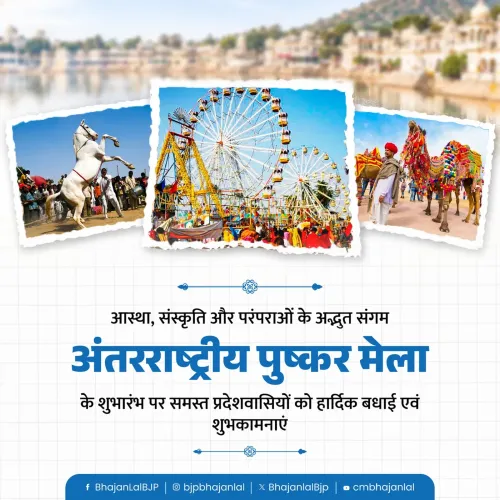
Posting on X, CM Sharma described the fair as an extraordinary confluence of faith, culture, and tradition — 'आस्था, संस्कृति और परंपराओं का अद्भुत संगम' ('an extraordinary confluence of faith, culture, and tradition') — held on the sacred soil of Teerthraj Pushkar. He called it a platform that gives Rajasthan's rich heritage and cultural splendour its rightful global recognition.
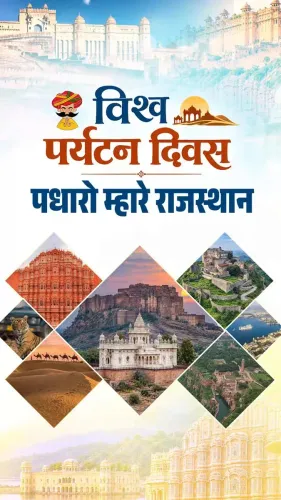
Pushkar: Where the World Comes to Ajmer
Pushkar, a small town in Ajmer district, is home to one of India's only temples dedicated to Lord Brahma and sits beside one of the country's most sacred lakes. Every year during the Hindu month of Kartik, the town transforms into one of the largest livestock markets on the subcontinent — a spectacle of decorated camels, folk music, and open-air bazaars that draws pilgrims and foreign visitors in equal measure. The fair is as much an economic engine for local herders and artisans as it is a cultural landmark.
Rajasthan has historically leaned on events like the Pushkar Mela as cornerstones of its tourism strategy, channelling state resources into infrastructure, marketing, and hospitality to extend the fair's international footprint. The state's tourism economy — built around its forts, festivals, and folklore — depends on signature events like this to sustain visitor interest through the winter season, the most lucrative window for inbound travel.
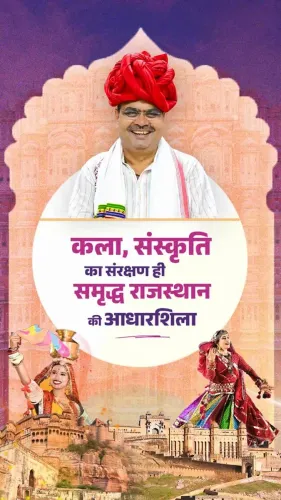
A Mela That Puts Rajasthan's Heritage on the World Map
CM Sharma's message extended a heartfelt welcome — 'हार्दिक स्वागत एवं अभिनंदन' ('sincere welcome and salutation') — to all guests, livestock keepers, and tourists who have made the journey to participate. The phrasing is deliberate: the Pushkar Fair is not merely a tourist attraction but a living tradition that ties together pastoral communities, religious pilgrims, and global travellers in a single, shared space.
For the BJP government in Jaipur, inaugurating and visibly backing the Pushkar Mela carries both cultural and political weight — projecting stewardship of Rajasthan's civilisational identity while keeping the state's hospitality sector in the spotlight ahead of peak tourist season.
As the fair's colourful processions fan out across Pushkar's ghats and grounds, all eyes will be on visitor footfall figures and any announcements from the state tourism department on further investment in cultural infrastructure or the livestock market that sits at the fair's ancient heart.
Point of View
Visibly championing such events builds soft political capital among both pilgrims and the rural pastoral communities central to the fair. At the same time, tourism-led growth is a genuine policy priority for the state, and the Pushkar Mela remains one of Rajasthan's most bankable international draws. The real test will be in post-fair data: whether footfall, infrastructure spending, and livestock market activity show tangible uplift under the current administration's watch.
NationPress
17 Nov 2026
Frequently Asked Questions
When is the Pushkar Fair 2026?
The International Pushkar Fair 2026 commenced on November 17, 2026 . It is held annually during the Hindu month of Kartik in Pushkar, Rajasthan.
What is the Pushkar Fair famous for?
The Pushkar Fair is famous for being one of the largest camel and livestock markets in the world, combined with religious pilgrimage to the sacred Pushkar lake and the Brahma Temple, drawing thousands of domestic and international visitors each year.
Where is Pushkar located?
Pushkar is a town in Ajmer district, Rajasthan , India. It is known for its sacred lake and one of the country's very few temples dedicated to Lord Brahma.
Who is the Chief Minister of Rajasthan in 2026?
Bhajan Lal Sharma is the Chief Minister of Rajasthan. He assumed office in December 2023 and is a BJP leader.
Why does the Pushkar Fair matter for Rajasthan's economy?
The Pushkar Fair is a major driver of Rajasthan's tourism economy, bringing revenue to local artisans, herders, hoteliers, and traders. The state government actively invests in infrastructure and global marketing around the event to maximise its economic and cultural impact.