CM Himanta eyes EU's tea, trade and tourism dividend
Synopsis
Assam Chief Minister Himanta Biswa Sarma has identified tea, trade and tourism as the three levers through which Assam will leverage India's newly concluded free trade agreement with the European Union, positioning the northeast's largest economy for deeper EU market engagement.
Key Takeaways
CM Himanta Biswa Sarma outlined tea, trade and tourism as Assam's strategic priorities under the India-EU free trade deal.
Assam is one of the world's leading producers of black tea, making EU tariff reductions on the commodity a potentially significant economic gain for the state.
India and the EU began trade negotiations in 2007 ; talks were relaunched in 2022 after a prolonged freeze.
The statement was made on 17 November 2026 , signalling Assam's intent to act quickly on new market-access opportunities.
Tourism — including wildlife and river tourism — forms a third pillar alongside agricultural exports and broader trade diversification.
Specific tariff schedules and service-mobility provisions within the concluded agreement will determine the actual scale of benefit for Assam's stakeholders.
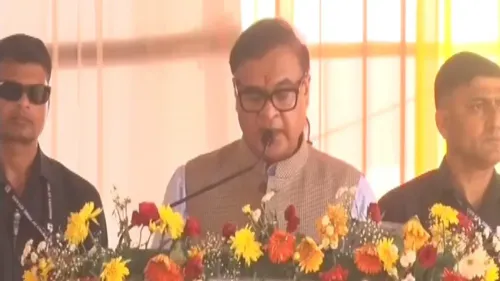
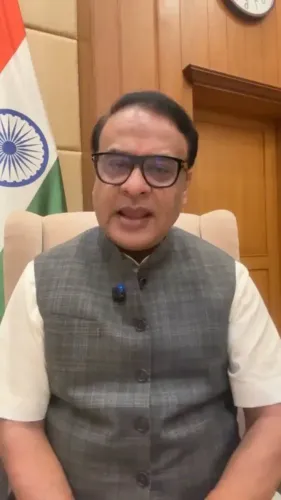
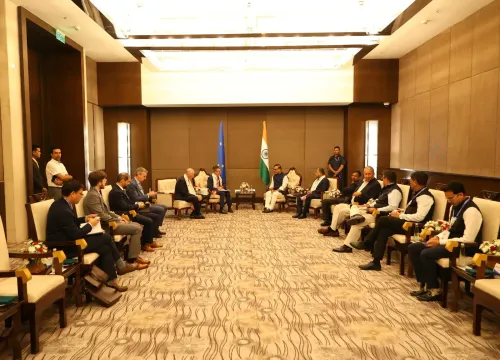
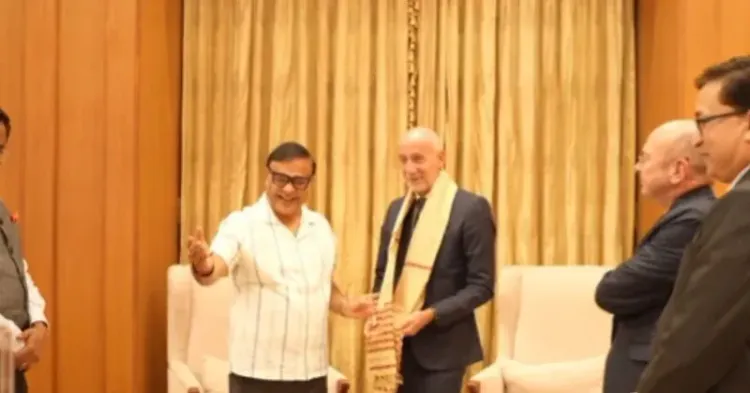
A landmark India-EU free trade agreement has handed Assam a rare opening — and Chief Minister Himanta Biswa Sarma is wasting no time staking his state's claim. Speaking on Tuesday, 17 November 2026, Sarma identified tea, trade, and tourism as the three pillars through which Assam will deepen its engagement with the European Union in the wake of what his office called a 'historic' bilateral deal.
Why tea is the opening bid
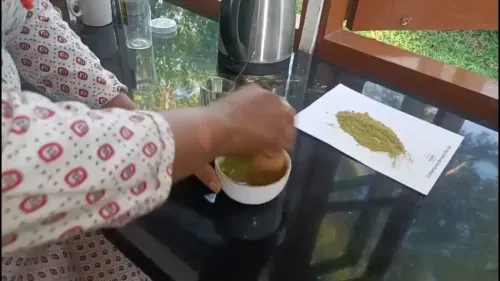
Assam produces some of the world's most traded black teas — the robust, malty leaves that pour into British breakfast blends, German supermarkets, and French speciality stores. For decades, that trade has carried a tariff burden that EU negotiations were designed to ease. If the concluded agreement includes meaningful reductions on tea import duties — a central ask from Indian negotiators — Assam's growers and exporters stand to gain directly, potentially unlocking more competitive pricing and volume in a market of 450 million consumers.
Tea is not merely an export line for Assam; it is the scaffolding of entire district economies across the Brahmaputra valley. Any improvement in EU market access translates into farmgate prices, plantation wages, and state revenue in a chain that runs deep and wide.
The longer road: India-EU trade talks since 2007
The story of an India-EU trade pact is one of the longest-running negotiating sagas in modern commerce. Formal talks for a Broad-based Trade and Investment Agreement, known as the BTIA, began in 2007, stalled repeatedly over automotive tariffs, data-protection standards, and pharmaceutical patents, and were formally relaunched in 2022 after a decade-long freeze. A concluded agreement — if that is what Sarma's reference signals — would represent one of the most consequential trade milestones for India in a generation, and the northeast would be watching its fine print closely.
Tourism and trade diversification: Sarma's wider bet
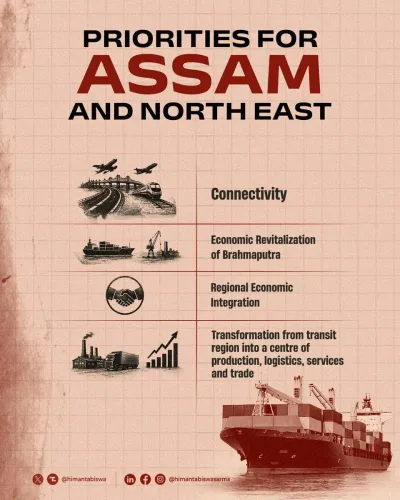
Beyond tea, the Chief Minister's framing signals an ambition to position Assam as a destination, not just a supplier. Kaziranga National Park, river tourism on the Brahmaputra, and Assam's emerging handicraft and silk exports are all sectors that EU travel patterns and trade preferences could energise. European tourists represent high-spend, low-volume travellers — exactly the demographic that Assam's conservation-linked tourism model is designed to attract.
Sarma, who has led the state since May 2021, has made export diversification and inward investment a consistent theme of his administration. Aligning with a national FTA gives that agenda institutional momentum it previously lacked.
The agreement's specific provisions — especially any schedules covering agricultural tariffs and visa or mobility arrangements for service exporters — will determine whether this opening translates into measurable gains. Assam's planters, tourism operators, and small exporters are already watching.
Point of View
The EU deal offers a rare chance to give the state's tea and tourism sectors a structural tailwind after years of price volatility and uneven growth. The framing of three distinct sectors — tea, trade, and tourism — also signals Sarma's awareness that the state's EU story cannot rest on a single commodity. Whether the deal's fine print delivers on that ambition, particularly on agricultural tariffs and service mobility, will be the real test of this diplomatic optimism.
NationPress
17 Nov 2026
Frequently Asked Questions
What is the India-EU free trade agreement and when was it concluded?
India and the EU have been negotiating a Broad-based Trade and Investment Agreement since 2007, with talks relaunched in 2022. CM Himanta Biswa Sarma's office referred to a 'historic' concluded deal, though specific provisions and the formal conclusion date are yet to be detailed publicly.
How will the India-EU FTA benefit Assam's tea industry?
Assam is a leading global producer of black tea. Reduced EU import tariffs under the FTA could make Assam tea more price-competitive in the European market, potentially boosting export volumes and improving returns for growers and plantations.
What role does tourism play in Assam's EU engagement strategy?
CM Sarma has identified tourism as one of three key pillars, with Assam offering wildlife destinations like Kaziranga and Brahmaputra river tourism. European travellers are high-spend visitors, and trade arrangements can complement visa facilitation and promotion efforts.
Who is Himanta Biswa Sarma and what is his economic vision for Assam?
Himanta Biswa Sarma has served as Chief Minister of Assam since May 2021. He has focused on export diversification, inward investment, and leveraging national trade agreements to generate growth in the state's agricultural and services sectors.
What sectors in Assam stand to gain most from the India-EU deal?
Tea exporters, tourism operators, and broader trade-linked industries are the primary beneficiaries identified by CM Sarma. The actual gains will depend on the specific tariff schedules and service provisions within the final agreement text.