CM Bhajan Lal Sharma Pays Tribute to Veer Durga Das Rathore
Synopsis
Rajasthan Chief Minister Bhajan Lal Sharma honoured Veer Durga Das Rathore on his death anniversary, calling the 17th-century Marwar chieftain an eternal inspiration for patriotism and duty. Durga Das led a decades-long resistance against Aurangzeb to restore Ajit Singh to the Marwar throne.
Key Takeaways
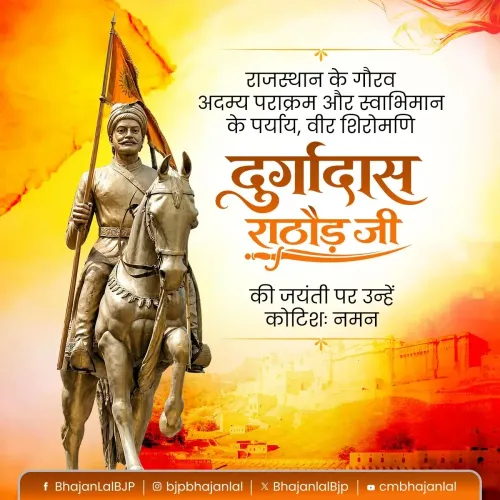
CM Bhajan Lal Sharma posted a tribute on 22 November 2026 marking the death anniversary of Veer Durga Das Rathore .
Durga Das was a 17th-century Rathore chieftain who led armed resistance against Mughal Emperor Aurangzeb to protect Marwar's sovereignty.
His most celebrated act was securing the restoration of Ajit Singh to the throne of Marwar after Aurangzeb refused to recognise the legitimate succession.
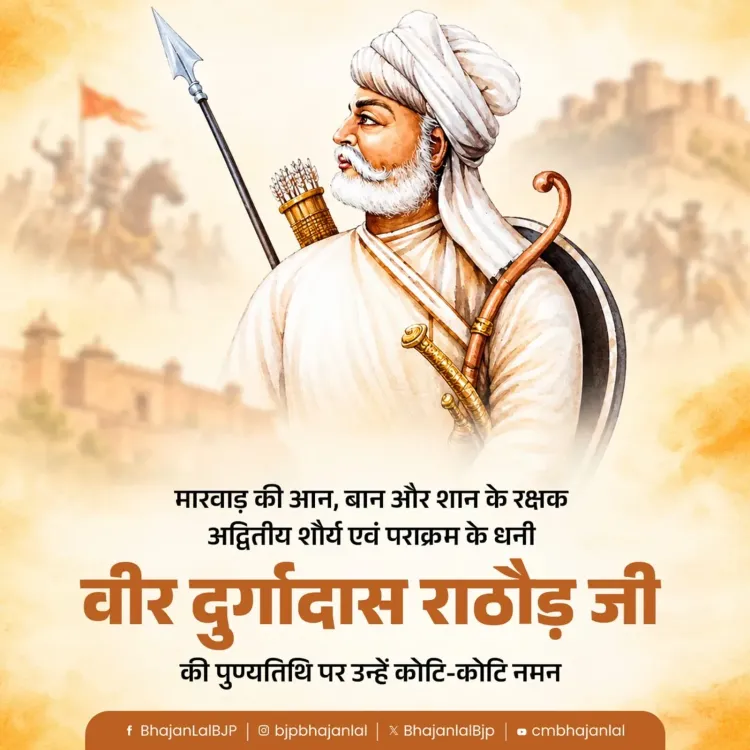
CM Sharma described Durga Das as the 'protector of the honour, pride, and glory of Marwar ' and praised his courage, sacrifice, and resolve.
Tributes to medieval Rajput warriors are a recurring feature of Rajasthan 's political calendar, connecting regional history with themes of national patriotism.
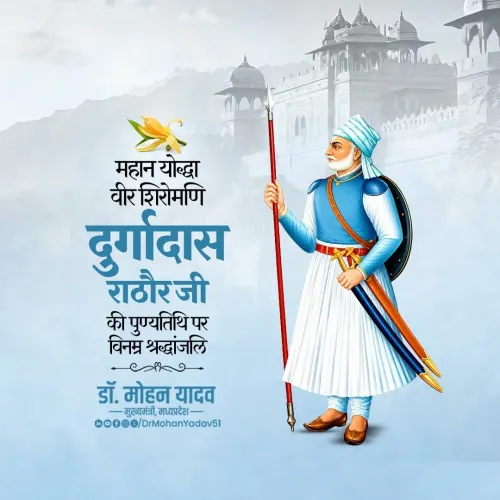
On the death anniversary of one of Marwar's most celebrated warrior-statesmen, Rajasthan Chief Minister Bhajan Lal Sharma offered his reverence to Veer Durga Das Rathore on Sunday, 22 November 2026, saluting the 17th-century Rathore chieftain as a timeless symbol of courage, sacrifice, and unwavering devotion to the motherland.
Posting on X in Hindi, CM Sharma described Durga Das as the 'protector of the honour, pride, and glory of Marwar' — marvad ki aan, baan aur shaan ke rakshak — and called his indomitable spirit an enduring inspiration for generations to come in matters of patriotism and duty.
Who Was Veer Durga Das Rathore — and Why Marwar Still Remembers Him
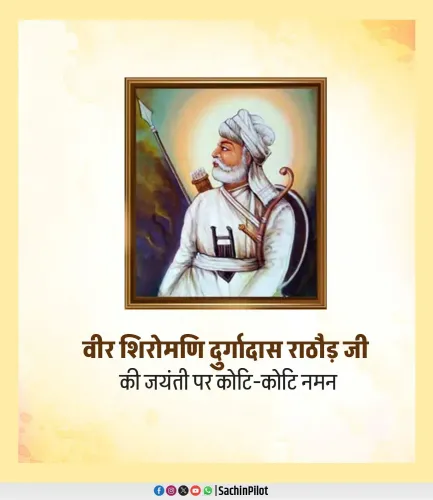
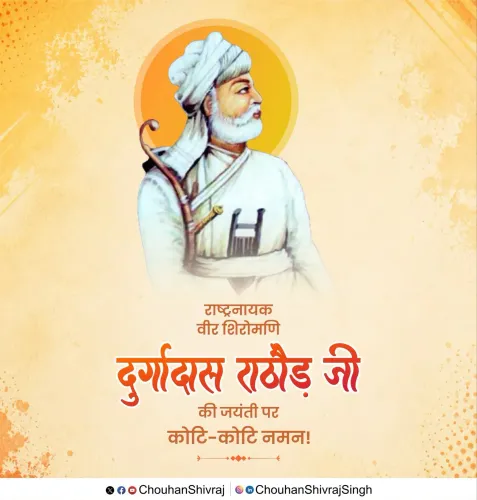
Veer Durga Das Rathore was a Rathore chieftain who emerged as the defining figure of Marwar's resistance against Mughal Emperor Aurangzeb in the late 17th century. When Aurangzeb refused to recognise Ajit Singh as the legitimate heir to the Marwar throne after the death of Maharaja Jaswant Singh, Durga Das mounted a prolonged armed resistance that lasted decades, ultimately securing Ajit Singh's restoration. His campaign was not merely military — it was an assertion of Rajput sovereignty and regional identity against one of the most powerful imperial forces of the era.
Marwar, the historical region of western Rajasthan ruled by the Rathore dynasty, bore the brunt of repeated Mughal incursions during this period. Durga Das navigated treacherous court politics, guerrilla warfare, and shifting alliances — never holding a formal throne himself, yet becoming the most consequential protector the kingdom had. That selflessness is precisely what CM Sharma's tribute underlines: a man who fought not for personal power, but for a cause larger than himself.
A Pattern of Cultural Remembrance in Rajasthan's Political Calendar
Tributes to medieval Rajput warriors have become a fixture of Rajasthan's political calendar across party lines. Chief ministers have regularly marked the anniversaries of figures like Durga Das Rathore to link the state's martial heritage with contemporary ideals of nationalism and civic duty. The messaging resonates strongly with the Rajput community and the broader Rajasthan electorate, for whom these warriors are not distant historical footnotes but living cultural touchstones.
CM Sharma's post closes with a pointed emphasis on rashtraprema evam kartavyanishtha — 'love for the nation and dedication to duty' — framing Durga Das's legacy not as caste or clan pride, but as a universal model of service. That framing is deliberate: it broadens the tribute's appeal while keeping it anchored in Rajasthan's own story.
Veer Durga Das Rathore gave Marwar its defiance. Centuries later, the state still takes the lesson seriously.
Point of View
Sharma signals an inclusive cultural positioning that appeals beyond the Rajput community. Such anniversary messaging also serves to keep BJP's cultural-nationalist credentials visible in a state where Rajput sentiment carries significant electoral weight. The consistent cross-party nature of these tributes, however, suggests they have become part of Rajasthan's governing tradition rather than purely partisan signalling.
NationPress
22 Nov 2026
Frequently Asked Questions
Who was Veer Durga Das Rathore?
Veer Durga Das Rathore was a 17th-century Rathore chieftain from Marwar in western Rajasthan, celebrated for leading a prolonged armed resistance against Mughal Emperor Aurangzeb to restore Ajit Singh to the throne of Marwar and defend the region's sovereignty.
Why is Veer Durga Das Rathore remembered in Rajasthan?
He is remembered as the defining protector of Marwar's honour during one of its most threatened periods, fighting for decades without seeking a throne for himself — making him a symbol of selfless patriotism and duty in Rajasthani culture.
What did CM Bhajan Lal Sharma say about Veer Durga Das Rathore?
CM Sharma called Durga Das the 'protector of the honour, pride, and glory of Marwar' and said his courage, sacrifice, and resolve would forever inspire future generations toward love for the nation and dedication to duty.
When is Veer Durga Das Rathore's death anniversary observed?
His death anniversary was marked on 22 November 2026 by Rajasthan Chief Minister Bhajan Lal Sharma, consistent with annual commemorations of the Marwar chieftain.
What was Marwar's conflict with the Mughals about?
After the death of Maharaja Jaswant Singh of Marwar, Aurangzeb refused to recognise Ajit Singh as the legitimate heir to the Rathore throne. Veer Durga Das led a decades-long military and political campaign to resist Mughal control and eventually secure Ajit Singh's restoration.