CM Dhami Invites Winter Pilgrims to Kainchi Dham
Synopsis
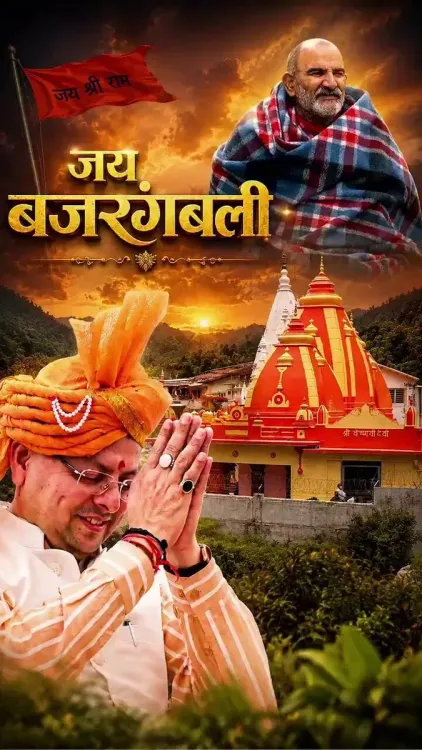
Uttarakhand Chief Minister Pushkar Singh Dhami has invited winter pilgrims to Kainchi Dham in Nainital district, calling it the sacred tapasthali of Baba Neem Karoli Maharaj and urging devotees to seek blessings during the season.
Key Takeaways
CM Pushkar Singh Dhami posted on 22 November 2026 promoting Kainchi Dham as a must-visit winter pilgrimage site.
Kainchi Dham is located in Nainital district, Uttarakhand , and is the principal ashram site of Baba Neem Karoli Maharaj .
The site attracts devotees from both India and abroad due to its association with the revered Hanuman devotee and saint.
Dhami's promotion aligns with Uttarakhand's strategy of spreading pilgrim footfall to mid-altitude sites during winter when high-altitude yatras are closed.
Uttarakhand brands itself as Devbhoomi and relies on religious tourism as a significant pillar of its economy.
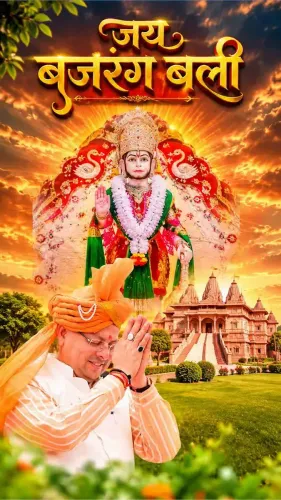
Tucked into the forested hills of Nainital district, Kainchi Dham draws believers from across India and the world — and on Sunday, 22 November 2026, Uttarakhand Chief Minister Pushkar Singh Dhami used his platform to remind winter travellers that the sacred site's doors are open and its blessings are waiting.
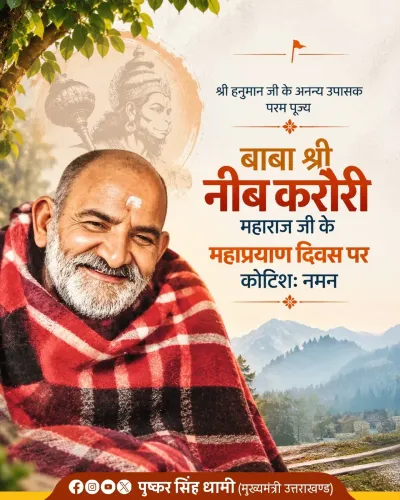
In a post on X, CM Dhami described Kainchi Dham as 'baba Neem Karoli ji Maharaj ki pawan tapasthali' — the holy ground of spiritual practice belonging to Baba Neem Karoli Maharaj, a revered Hanuman devotee whose ashram has become one of northern India's most compelling pilgrimage destinations. 'The calm and spiritual atmosphere here gives devotees an experience of extraordinary peace and positive energy,' Dhami wrote, urging followers to visit during their winter travels and receive the saint's blessings.
Who Was Baba Neem Karoli Maharaj — and Why Kainchi Dham Matters
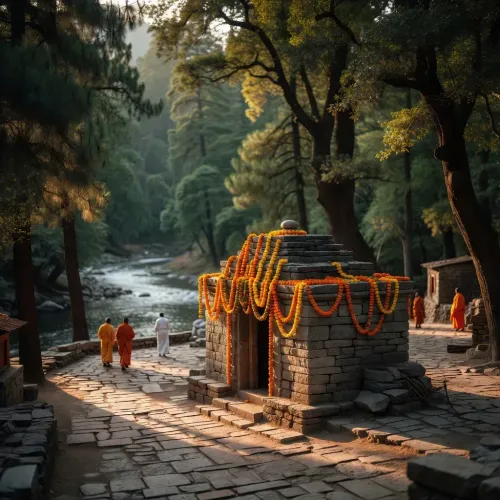
Baba Neem Karoli Maharaj, also widely known as Maharaj-ji, was a Hindu saint and ardent devotee of Lord Hanuman whose teachings drew seekers from every corner of the world. The Kainchi Dham complex — nestled along a mountain stream in Nainital district, Uttarakhand — served as one of his principal sites of tapasya, or spiritual austerity. Today it functions as both a living temple and an ashram, its atmosphere shaped by decades of collective devotion.
The site's pull extends well beyond Indian devotees. International pilgrims and spiritual tourists have made Kainchi Dham a fixture on the global consciousness-travel circuit, lending the ashram a quietly cosmopolitan character unusual for a hill-district shrine. For Uttarakhand — a state whose identity is inseparable from the Sanskrit label Devbhoomi, 'Land of the Gods' — it represents exactly the kind of sacred geography successive governments have worked to highlight.
Dhami's Devbhoomi Playbook: Spreading Pilgrim Footfall Across Districts
The post is consistent with a broader pattern in Uttarakhand's religious-tourism strategy. While the state's headline pilgrimages — the Char Dham Yatra and the Hemkund Sahib trek — close for winter, state leadership has long promoted Nainital-belt sites to keep visitor flows alive in the off-season. By spotlighting Kainchi Dham at the precise moment temperatures drop and leisure travel shifts, Dhami is nudging both domestic pilgrims and international visitors toward a destination that remains accessible through the colder months.
Uttarakhand's tourism economy depends heavily on this kind of year-round distribution of footfall. Concentrating visitors only on the high-altitude Char Dham circuit during summer strains both infrastructure and ecology; channelling winter travellers toward mid-altitude sites like Kainchi Dham spreads the economic benefit and reduces seasonal pressure. It is policy dressed as devotion — and in Devbhoomi, that is rarely a contradiction.
Whether the state tourism department follows the chief minister's post with fresh infrastructure announcements or winter-season packages for Nainital district will be the real measure of intent. For now, the message from Lucknow Road, Dehradun is simple: the hills are calling, and Baba's blessings are there for the seeking.
Point of View
The chief minister is filling a seasonal gap in the pilgrim economy without it reading like a tourism circular. The move also reinforces the BJP's broader Hindutva-adjacent cultural messaging — positioning the ruling party as the custodian of Devbhoomi's sacred identity. Whether this translates into tangible infrastructure investment for Nainital district or remains a social-media nudge will determine its lasting policy value.
NationPress
22 Nov 2026
Frequently Asked Questions
Where is Kainchi Dham located?
Kainchi Dham is located in Nainital district, Uttarakhand, nestled in the forested hills along a mountain stream. It is accessible from Nainital town and Bhowali.
Who is Baba Neem Karoli Maharaj?
Baba Neem Karoli Maharaj, also known as Maharaj-ji, was a revered Hindu saint and devoted follower of Lord Hanuman. His ashram at Kainchi Dham in Uttarakhand is a major spiritual destination for Indian and international pilgrims alike.
Can you visit Kainchi Dham in winter?
Yes, Kainchi Dham remains accessible during winter, making it a popular alternative pilgrimage for devotees when the high-altitude Char Dham yatras close. CM Dhami specifically invited winter travellers to visit the site in November 2026.
Why is Kainchi Dham popular with foreign visitors?
The ashram's spiritual legacy and the universal teachings of Baba Neem Karoli Maharaj have drawn seekers from across the globe for decades, giving Kainchi Dham a distinctive international following unusual for a hill-district shrine.
What is Uttarakhand's Devbhoomi identity?
Devbhoomi, meaning 'Land of the Gods', is a widely used cultural and tourism label for Uttarakhand that reflects the state's dense concentration of Hindu temples, ashrams, and pilgrimage routes. Successive state governments have used this identity to promote religious tourism.