Assam CM Himanta: Excise Dept to Get Tougher on Illegal Liquor
Synopsis
Assam Chief Minister Dr. Himanta Biswa Sarma announced that 73 excise officers have completed a 30-day residential training programme, with the department pledging stricter action against illegal liquor across the state.
Key Takeaways
73 Assam Excise Department officers have completed a 30-day residential training programme .
Himanta Biswa Sarma announced the department will adopt a stricter stance against illegal liquor .
The announcement was made on 22 November 2026 via the official Chief Minister's Office account on X.
The training represents a capacity-building push within Assam's excise enforcement machinery.
Illegal liquor poses both a public-health risk and a significant state revenue loss in Assam.
Analysts will watch for follow-on enforcement drives and possible expansion of the residential training model.
Seventy-three excise officers in Assam have just completed a gruelling 30-day residential training programme — and Chief Minister Dr. Himanta Biswa Sarma is making clear what comes next: a sharper, harder crackdown on illegal liquor across the state.
73 officers, 30 days, one mandate
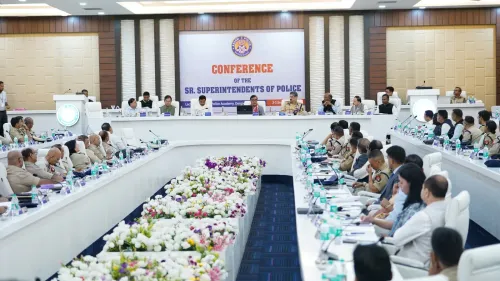
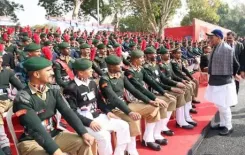
The Chief Minister's Office of Assam announced on Sunday, 22 November 2026 that 73 excise officers have successfully completed the month-long residential training, signalling a deliberate investment in building enforcement muscle within the Assam Excise Department. The post, shared in Assamese, quoted CM Sarma directly on the department's intent: 'অবৈধ সুৰাৰ বিৰুদ্ধে অধিক কঠোৰ হ'ব আৱকাৰী বিভাগ' — 'The Excise Department will be stricter against illegal liquor.'
Residential training of this scale is not routine. Pulling officers out of field postings for a full month is a deliberate signal — that enforcement quality, not just enforcement numbers, is now the stated priority.
Why illegal liquor remains a live threat in Assam
Assam has grappled with illicit liquor for decades — a problem rooted in both geography and economics. Porous borders, rural poverty, and a thriving informal trade make enforcement genuinely difficult. Illegal liquor not only costs the state excise revenue but poses a direct public-health risk; spurious liquor tragedies have claimed lives across India's northeastern states.
Successive state governments have attempted regulatory tightening, but the Sarma administration has leaned explicitly on professional development of enforcement agencies as a force multiplier — the argument being that a trained officer detects and prosecutes more effectively than an untrained one, however numerous.
What the trained officers take back to the field
The Assam Excise Department now has 73 freshly trained officers re-entering a field environment with, presumably, sharpened legal knowledge, detection techniques, and procedural rigour. The immediate question is whether this cohort will be deployed in a coordinated enforcement drive or absorbed into routine postings. The government's own framing — 'stricter' enforcement — suggests the former is the intent.
Watch for follow-on announcements of targeted drives, particularly in districts with historically high incidences of illicit liquor trade. If the training translates into measurable seizure data or prosecution numbers, it will validate the residential model — and almost certainly prompt expansion of the programme to a larger cohort.
Point of View
Complementing political signalling with procedural upgrades. The real test, however, will be whether the trained officers are deployed in a coherent, data-driven enforcement strategy or simply re-absorbed into a system where structural incentives remain unchanged. If seizure and prosecution metrics improve in the months ahead, the residential training model could become a template for other Assam departments facing enforcement challenges.
NationPress
22 Nov 2026
Frequently Asked Questions
What did 73 Assam excise officers complete?
They completed a 30-day residential training programme aimed at strengthening enforcement capacity within the Assam Excise Department against illegal liquor.
What did CM Himanta Biswa Sarma say about illegal liquor in Assam?
CM Dr. Himanta Biswa Sarma announced that the Excise Department will become stricter against illegal liquor following the completion of the training programme.
Why is illegal liquor a problem in Assam?
Assam's porous borders, rural economic conditions, and informal trade networks make illicit liquor difficult to suppress; it costs the state excise revenue and poses serious public-health risks.
What is the Assam Excise Department responsible for?
The Assam Excise Department regulates the liquor trade in the state and is the primary enforcement body tasked with action against illegal or spurious liquor.
When was the Assam excise training announcement made?
The announcement was made on 22 November 2026 by the Chief Minister's Office of Assam on X.