Rajnath Singh pays tribute to warrior Jhalkari Bai on her Jayanti
Synopsis
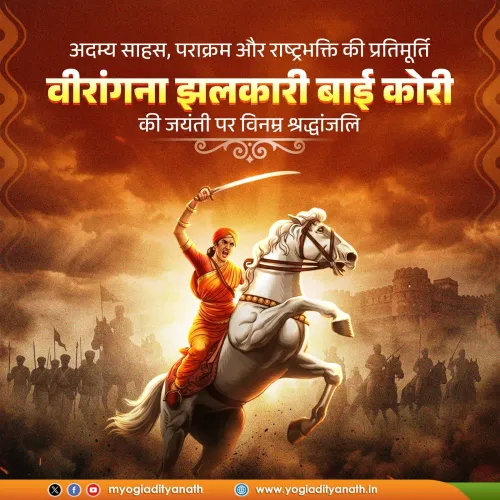
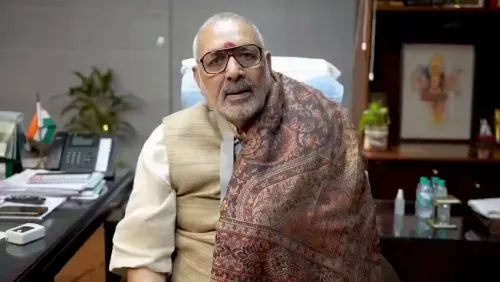
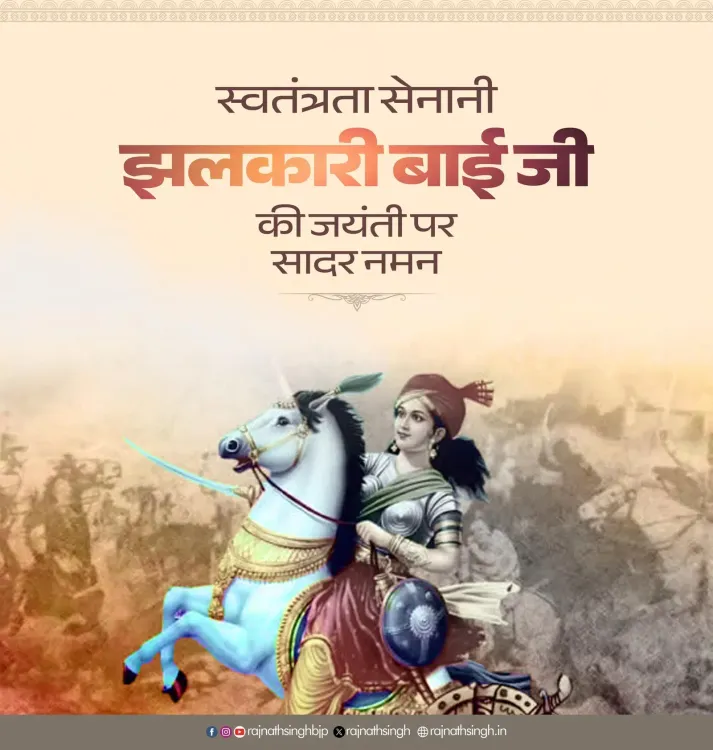
Union Defence Minister Rajnath Singh on 22 November 2026 paid tribute to Jhalkari Bai, the Koli community warrior who fought alongside Rani Lakshmibai in the 1857 First War of Independence, hailing her as a timeless symbol of courage and patriotism.
Key Takeaways
Rajnath Singh posted a tribute to Jhalkari Bai on her birth anniversary on 22 November 2026 .
Jhalkari Bai was a warrior from the Koli community who served in Rani Lakshmibai's forces during the 1857 uprising .
Singh described her as a symbol of 'extraordinary courage, valour, and unwavering devotion to the motherland.' India officially designates the 1857 revolt as the First War of Independence.
Senior ministers regularly mark jayantis of 1857 participants as part of established national commemoration practice.
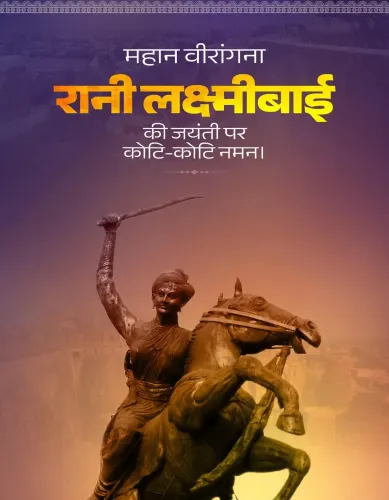
She stood her ground against the British in one of history's most consequential uprisings — and Union Defence Minister Rajnath Singh marked Jhalkari Bai's birth anniversary on Sunday, 22 November 2026, with a salute to the warrior woman who carved her name into the story of India's First War of Independence in 1857.
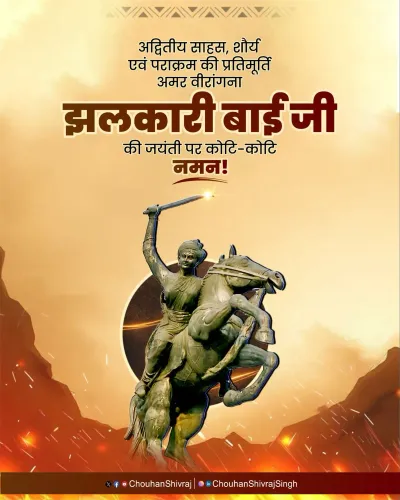
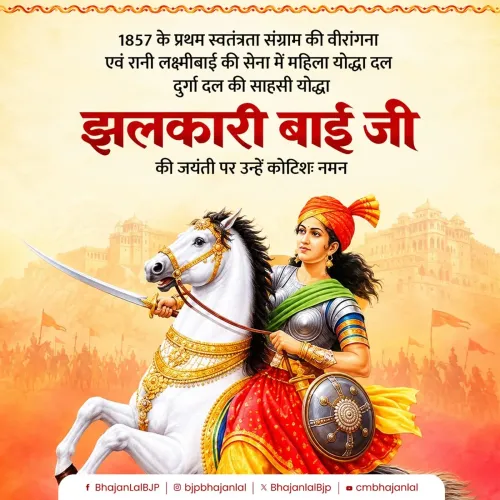
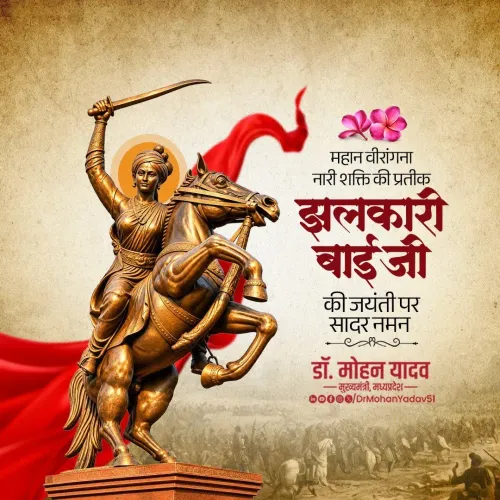
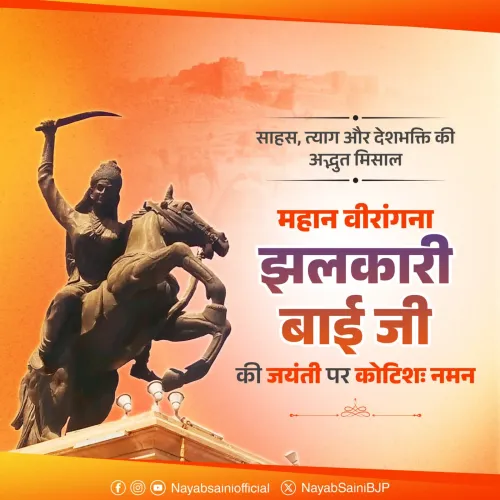
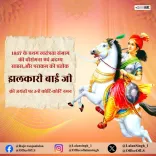
Posting on X in Hindi, Singh wrote: '1857 के प्रथम स्वतंत्रता संग्राम की वीरांगना झलकारी बाई की जयंती पर उन्हें कोटि-कोटि नमन' — 'Crores of salutes to Jhalkari Bai, the brave woman of the First War of Independence of 1857, on her birth anniversary.' He described her as a symbol of 'extraordinary courage, valour, and unwavering devotion to the motherland,' adding that her life 'will continue to inspire coming generations with the values of bravery, self-respect, and patriotism.'
Who was Jhalkari Bai — and why she still matters
Jhalkari Bai was a warrior from the Koli community who served in the forces of Rani Lakshmibai of Jhansi during the 1857 uprising against East India Company rule. Celebrated in folk memory and historical accounts for her physical courage and battlefield resolve, she is credited with acts of bravery that helped protect the Rani during the British assault on Jhansi. Her story represents the many unsung, community-level fighters whose contributions to the freedom struggle were long overlooked in mainstream narratives.
India's official historiography designates the 1857 revolt as the country's First War of Independence — a framing successive governments have upheld. Marking the jayantis of its participants, particularly those from non-elite and regional backgrounds, has become a consistent feature of official commemoration, reflecting a broader effort to widen the canvas of remembered heroes.
A minister's salute in a long tradition of remembrance
Singh's tribute fits a well-established pattern: senior central government ministers regularly issue public statements on the birth and death anniversaries of 1857 figures, reinforcing the movement's diverse, pan-community character. For Jhalkari Bai specifically, her Koli heritage makes the tribute particularly resonant with communities across Uttar Pradesh and Madhya Pradesh, where her legacy is deeply woven into local memory and oral tradition.
The Defence Minister — himself a former Chief Minister of Uttar Pradesh — bringing her name to a national platform on her jayanti keeps that memory circulating far beyond the archives.
Point of View
Giving visibility to community-level heroes from the 1857 revolt. For a former Uttar Pradesh Chief Minister, acknowledging a warrior deeply rooted in UP and MP folk memory also carries regional resonance. The pattern of ministerial jayanti tributes serves a dual function — historical recognition and contemporary community outreach — that successive governments across the spectrum have found useful. The consistency of such tributes signals that expanding the memory of 1857 remains a live, cross-party consensus in Indian official culture.
NationPress
22 Nov 2026
Frequently Asked Questions
Who was Jhalkari Bai?
Jhalkari Bai was a brave woman warrior from the Koli community who served in the army of Rani Lakshmibai of Jhansi and fought against British forces during the 1857 First War of Independence. She is celebrated in folk memory for her extraordinary courage on the battlefield.
Why is Jhalkari Bai's birth anniversary celebrated?
Her birth anniversary, or jayanti, is observed to honour her role in the 1857 uprising and to recognise the contributions of community-level and women fighters who are often overlooked in mainstream historical accounts of India's freedom struggle.
What did Rajnath Singh say about Jhalkari Bai?
Rajnath Singh described Jhalkari Bai as a symbol of extraordinary courage, valour, and unwavering devotion to the motherland, saying her life will continue to inspire future generations with values of bravery, self-respect, and patriotism.
What is the 1857 First War of Independence?
The 1857 revolt was a widespread armed uprising against the rule of the British East India Company. The Indian government officially designates it the First War of Independence, recognising it as a foundational moment in the country's freedom struggle.
What community did Jhalkari Bai belong to?
Jhalkari Bai belonged to the Koli community. Her legacy holds particular significance in Uttar Pradesh and Madhya Pradesh, where her story is deeply embedded in local oral tradition and folk memory.