CM Himanta Expands Quality Education in Assam Tea Garden Areas
Synopsis
The Chief Minister's Office of Assam announced on 22 November 2026 that CM Dr. Himanta Biswa Sarma is expanding quality education in the state's tea garden areas, targeting the historically underserved tea tribe communities who have faced structural gaps in schooling for generations.
Key Takeaways
The Chief Minister's Office of Assam announced on 22 November 2026 that CM Dr.
Himanta Biswa Sarma is expanding quality education in tea garden areas.
Assam's tea tribe communities in estate districts such as Dibrugarh, Jorhat, Sonitpur, and Tinsukia have faced longstanding educational disadvantage.
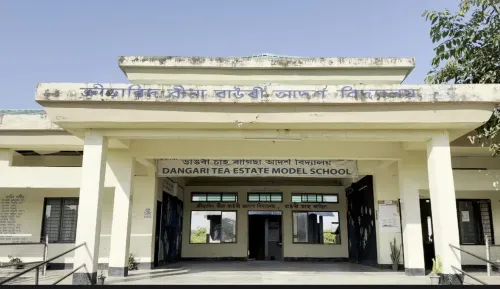
Targeted government efforts to build and upgrade schools inside tea estates date back to the early 2010s , with the current administration continuing and deepening that push.
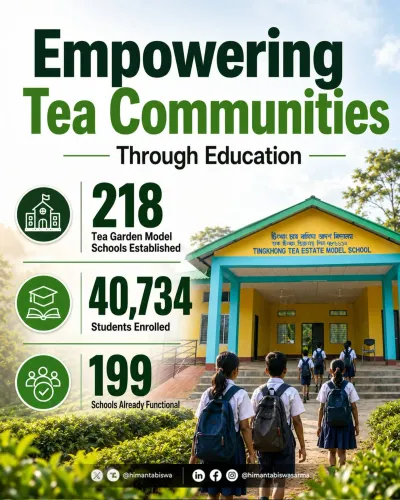
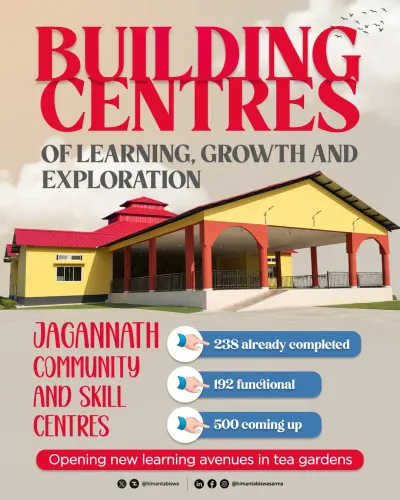
Specific details — school numbers, teacher recruitment targets, enrollment goals — are yet to be publicly disclosed and are expected in state education department updates.
Comparable education outreach for plantation-worker families exists in other tea-producing states, but outcomes depend heavily on infrastructure funding and teacher deployment follow-through.
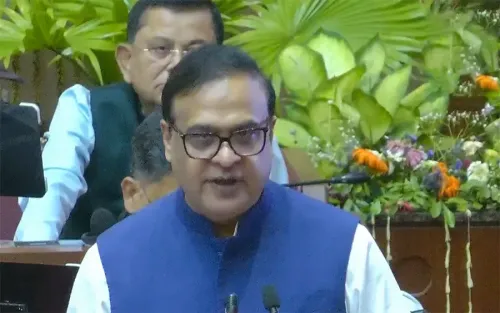
For generations, children growing up in Assam's tea garden belts have sat at the margins of the state's education system — close to the machinery of a billion-dollar industry, yet far from its benefits. That gap is now being directly addressed, as the Chief Minister's Office of Assam announced on Sunday, 22 November 2026 that CM Dr. Himanta Biswa Sarma is expanding quality education across the state's tea garden areas.
A community long left behind the classroom
Assam's tea tribe communities — descendants of labourers brought to the northeastern state's plantations over a century ago — have consistently ranked among the most educationally disadvantaged groups in the region. The plantation economy that defines their geography has historically provided little of the schooling infrastructure that urban and semi-urban Assam takes for granted. Literacy rates and dropout numbers in estate areas have long been a stubborn policy problem for successive state governments.
Targeted efforts to change that began in earnest in the early 2010s, when the Assam government started setting up and upgrading schools inside tea estates. Those incremental moves laid the foundation for what Dr. Sarma's administration is now pushing further, continuing a welfare-focused pattern of education interventions for plantation workers' families that mirrors comparable outreach in other tea-producing states.
Himanta Sarma's education push since 2021
Dr. Himanta Biswa Sarma, who has served as Chief Minister of Assam since May 2021, has repeatedly flagged education as a vehicle for the socio-economic upliftment of the state's most excluded communities. The tea tribes — spread across estate districts such as Dibrugarh, Jorhat, Sonitpur, and Tinsukia — number in the millions and represent a significant political and demographic constituency. Any serious effort to close their educational gap carries both moral and long-term economic weight for the state.
The specific scope, timelines, and enrollment targets of the latest expansion have not yet been detailed in public budget or department disclosures. Education department updates and the upcoming state budget session are expected to flesh out the numbers behind the announcement.
What meaningful change looks like in estate classrooms
Experts watching Assam's plantation welfare arc point to three pressure points: the physical absence of schools within walkable distance inside estate boundaries, chronic shortfalls in trained teachers willing to serve in remote garden areas, and high dropout rates — particularly among girls — once primary grades are complete. Any expansion that addresses all three simultaneously would mark a qualitative shift from earlier, more piecemeal efforts.
The pattern is not unique to Assam. Comparable states with large plantation workforces have cycled through similar announcements, with outcomes varying sharply depending on follow-through on teacher recruitment and infrastructure spending. The watch now is on whether this expansion translates from announcement into classroom seats.
When millions of children inherit opportunity instead of exclusion, the whole state's growth curve shifts — the real test of this expansion will be in Assam's enrollment and literacy data a school year from now.
Point of View
Education interventions in plantation areas address one of the state's most entrenched socio-economic gaps, but their long-term impact hinges on sustained budget allocation rather than headline announcements. For the tea tribe demographic, which numbers in the millions and has historically been courted but underserved, the credibility of this expansion will be measured in classrooms built and teachers posted — not in posts shared. The broader policy arc points toward Assam positioning itself as a model for inclusive education in India's Northeast, a narrative that serves both developmental and political goals.
NationPress
22 Nov 2026
Frequently Asked Questions
What is the Assam government doing to improve education in tea garden areas?
The Assam government under CM Dr. Himanta Biswa Sarma is expanding quality education in tea garden areas, continuing a push to build and upgrade schools inside tea estates that began in the early 2010s. Specific details on the latest expansion are expected in forthcoming state education department announcements.
Who are the tea tribe communities in Assam?
Assam's tea tribe communities are descendants of labourers brought to work in the state's tea plantations over a century ago. They primarily inhabit estate areas in districts such as Dibrugarh, Jorhat, Sonitpur, and Tinsukia, and have historically faced significant gaps in education and socio-economic development.
Why do tea garden areas in Assam have poor educational infrastructure?
Tea garden areas in Assam have historically lacked adequate schools because plantation economies concentrated investment in production rather than worker welfare. Schools within walking distance, trained teachers willing to serve remote estates, and retention support for older students — especially girls — have all been chronic shortfalls.
What is Himanta Biswa Sarma's education policy in Assam?
Since becoming Chief Minister in May 2021, Dr. Himanta Biswa Sarma has emphasised education as a tool for socio-economic upliftment of Assam's most excluded communities, including the tea tribes. His administration has continued and expanded earlier schemes targeting school infrastructure and literacy in plantation areas.
Which districts in Assam have tea garden communities?
Major tea estate districts in Assam include Dibrugarh, Jorhat, Sonitpur, and Tinsukia, among others. These are the regions where tea tribe communities are concentrated and where the government's education expansion efforts are most relevant.