CM Bhajan Lal Pledges Transport Access to Every Corner of Rajasthan

Synopsis
The Rajasthan CMO reaffirmed on 27 July 2026 that the Bhajan Lal Sharma government's priority is bringing transport facilities to every corner of the state, signalling continued focus on rural and last-mile connectivity in India's largest state by area.
Key Takeaways
The Chief Minister's Office of Rajasthan declared transport access to every part of the state a government priority on 27 July 2026 .
Chief Minister Bhajan Lal Sharma , in office since December 2023 , was directly tagged in the post.
The message was posted under the #आपणो_अग्रणी_राजस्थान ('Our Leading Rajasthan') campaign hashtag.
Rajasthan is India's largest state by area, making last-mile transport connectivity a longstanding structural challenge.
The Rajasthan State Road Transport Corporation (RSRTC) is the key state body mandated to extend public bus services to remote areas.
No specific scheme name or budget figure was announced; concrete allocations are expected to emerge in the next state budget cycle.
The Chief Minister's Office of Rajasthan reaffirmed on Monday, 27 July 2026 that expanding transport connectivity to every part of the state remains a core priority of the Bhajan Lal Sharma-led government, posting the message under the campaign hashtag #आपणो_अग्रणी_राजस्थान ('Our Leading Rajasthan').
Context
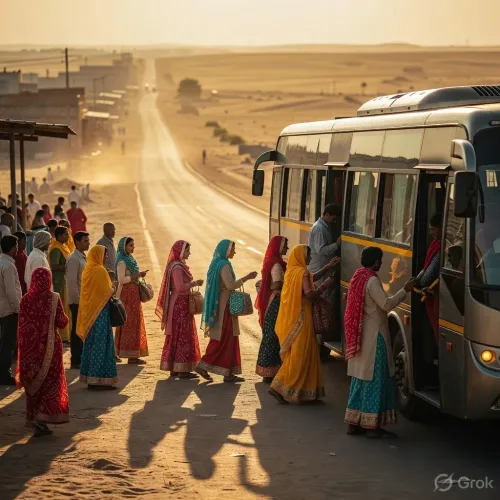
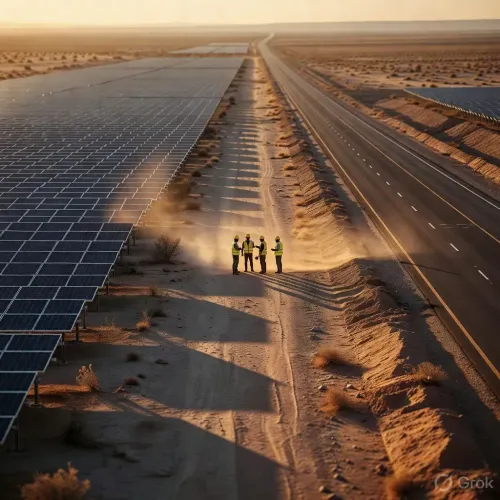
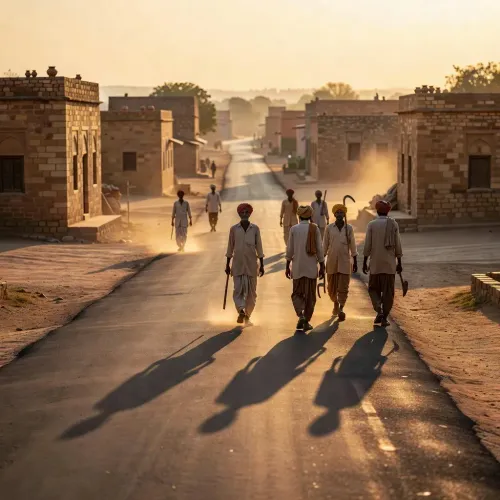
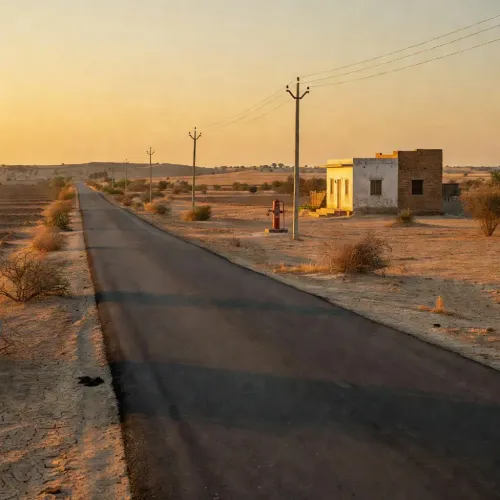
The post, shared from the official CMO handle and tagging Chief Minister Bhajan Lal Sharma, states: 'Our government's priority is to bring transport facilities to every corner of the state.' The message is accompanied by an image and forms part of a broader communication push under the state government's Aapno Agrani Rajasthan ('Our Leading Rajasthan') branding. No specific scheme name or budget figure was announced in the post itself.
Bhajan Lal Sharma has served as Chief Minister of Rajasthan since December 2023, when the Bharatiya Janata Party returned to power in the state. Transport and rural connectivity have been recurring themes in the administration's public communications since taking office.
Policy Backdrop
Rajasthan presents a structurally difficult connectivity challenge: it is India's largest state by area, with large stretches of desert and semi-arid terrain and a population spread across dispersed settlements. Successive state governments have pursued phased expansions of road and bus networks to address last-mile access gaps.
The state is a participant in the centrally sponsored Bharatmala Pariyojana, launched in 2015, which targets highway development and improved inter-district connectivity. The Rajasthan State Road Transport Corporation (RSRTC), the state-owned bus operator, carries a specific mandate to extend public bus services to remote and underserved areas, though coverage in the most sparsely populated districts has historically been limited.
Stakeholders and Impact
The primary beneficiaries of expanded transport access in Rajasthan are rural residents and communities in remote villages, particularly those in the desert districts of Barmer, Jaisalmer, Bikaner, and the tribal belt of southern Rajasthan. Reliable bus and road connectivity directly affects access to markets, healthcare, and educational institutions for these populations.
For the RSRTC, route expansion into low-density areas typically requires subsidy support from the state exchequer, making budget allocations a key variable in translating policy intent into operational reality. Workers, contractors, and small businesses along proposed transport corridors also stand to gain from improved infrastructure.
What's Next
Observers will watch the state's next budget cycle for concrete allocations toward new road projects and RSRTC route expansions that would give substance to the government's stated priority. The Aapno Agrani Rajasthan campaign framing suggests the administration intends to position transport connectivity as a visible governance achievement ahead of future electoral cycles. Specific scheme announcements or project launches would be the clearest indicators of progress on this commitment.
Point of View
But its timing and campaign branding suggest the BJP administration is actively building a connectivity narrative for public consumption. For a state as geographically vast as Rajasthan, transport access is not merely an infrastructure question but a political one — rural voters in underserved districts have historically rewarded governments that deliver tangible connectivity improvements. The challenge for the Sharma administration lies in converting rhetorical commitment into measurable outcomes: route additions, fleet expansion, and road completions that can be verified on the ground. Watchers of Rajasthan politics will treat the next state budget as the real test of whether this stated priority translates into rupees and roads.
NationPress
25 Oct 2026
Frequently Asked Questions
What did the Rajasthan government announce about transport on 27 July 2026?
The Chief Minister's Office of Rajasthan stated on 27 July 2026 that providing transport facilities to every corner of the state is the Bhajan Lal Sharma government's top priority, posting the message under the 'Aapno Agrani Rajasthan' campaign.
Who is the Chief Minister of Rajasthan in 2026?
Bhajan Lal Sharma of the Bharatiya Janata Party is the Chief Minister of Rajasthan, having taken office in December 2023.
What is RSRTC and what is its role in Rajasthan's transport plan?
The Rajasthan State Road Transport Corporation (RSRTC) is the state-owned public bus operator mandated to extend services to remote and underserved areas of the state, and it is central to any expansion of last-mile transport connectivity.
What is the 'Aapno Agrani Rajasthan' campaign?
'Aapno Agrani Rajasthan', meaning 'Our Leading Rajasthan', is a branding campaign used by the Bhajan Lal Sharma government to promote its development agenda across public communications.
Why is transport connectivity a big challenge in Rajasthan?
Rajasthan is India's largest state by area and has vast stretches of desert and semi-arid terrain with dispersed settlements, making it structurally difficult and expensive to extend road and bus networks to all communities.