CM Bhajanlal opens Lokmanthan 2026 in Jaipur
Synopsis
Chief Minister Bhajanlal Sharma inaugurated Lokmanthan 2026 in Jaipur on 2 July 2026, describing Rajasthan as a land of strength, devotion, and environmental dedication — reinforcing the state's dual cultural and ecological identity at a high-profile public discourse forum.
Key Takeaways
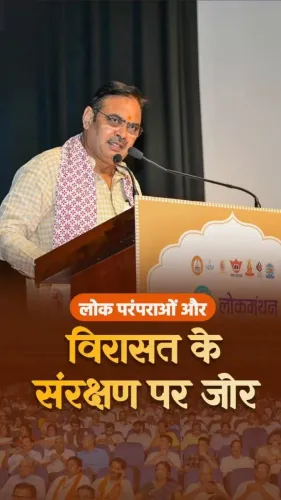
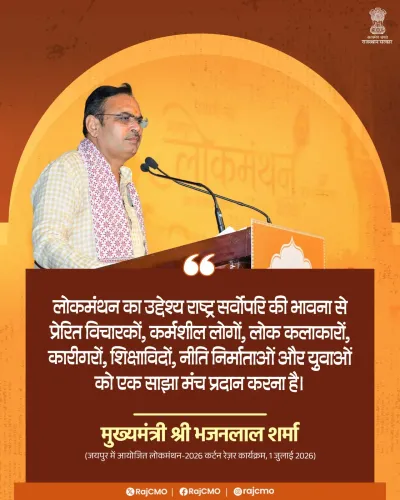
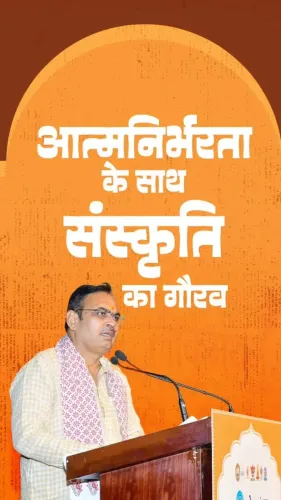
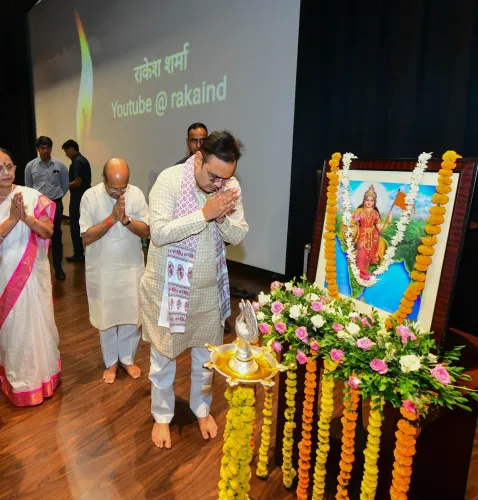
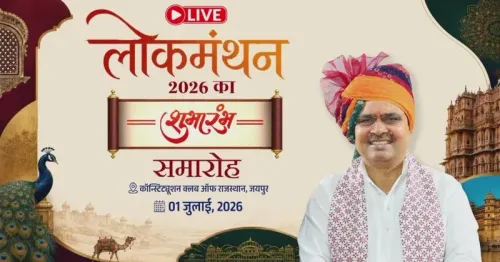
CM Bhajanlal Sharma addressed the inaugural ceremony of Lokmanthan 2026 in Jaipur on 2 July 2026 .
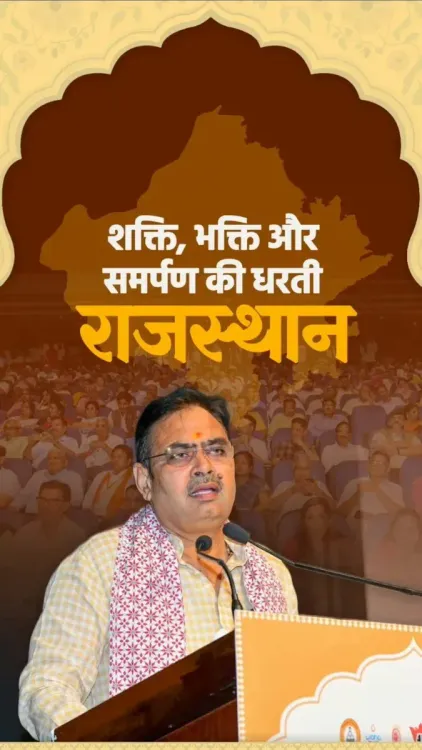
He described Rajasthan as a land of 'shakti and bhakti' — strength and devotion.
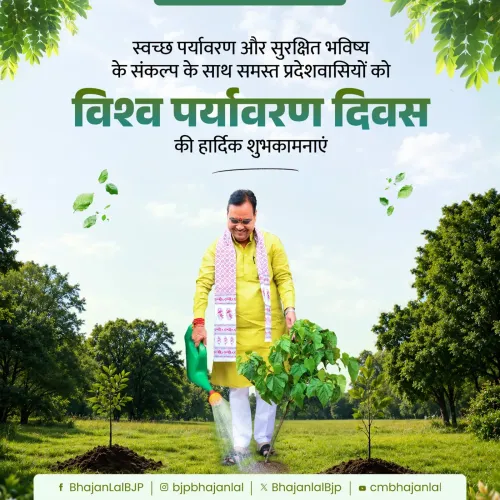
The Chief Minister reaffirmed Rajasthan's identity as a state 'dedicated to the environment.' The event was promoted under the hashtag #आपणो_अग्रणी_राजस्थान ('Our Forward-Leading Rajasthan').
Lokmanthan 2026 is a public discourse forum with cultural identity and environmental commitment as central themes.
Subsequent sessions and outcome declarations from the forum are expected to signal future state policy directions.
The Chief Minister's Office of Rajasthan announced on Thursday, 2 July 2026, that Chief Minister Bhajanlal Sharma addressed the inaugural ceremony of Lokmanthan 2026, a public discourse forum held in Jaipur, describing Rajasthan as a land of 'shakti and bhakti' — strength and devotion — and reaffirming its commitment to the environment.
Context
Speaking at the event, CM Sharma declared, 'Rajasthan shakti aur bhakti ki dharti hai' ('Rajasthan is the land of strength and devotion'). He further described the state as land 'dedicated to the environment,' invoking a dual identity of cultural-spiritual heritage and ecological consciousness. The address was shared by the official Chief Minister's Office account on X under the hashtag #आपणो_अग्रणी_राजस्थान ('Our Forward-Leading Rajasthan').
Lokmanthan 2026 is a forum for public discourse, with its inaugural ceremony taking place in Jaipur, the state capital and the administrative hub where major state-level conclaves are routinely hosted. The event's theme reflects a convergence of cultural identity and environmental messaging.
Policy Backdrop
Rajasthan has periodically positioned itself as a state where cultural heritage and ecological sensitivity reinforce each other. Since 2019, successive state governments have reiterated commitments to climate action, including solar energy expansion and state-level environmental action plans, in official public addresses.
CM Bhajanlal Sharma, who assumed office in December 2023 as a Bharatiya Janata Party leader, has continued this tradition of invoking Rajasthan's identity as a land of martial and devotional culture alongside its ecological responsibilities. The state's vast desert geography and solar energy potential make environmental messaging particularly resonant here.
Stakeholders and Impact
The Lokmanthan forum draws interest from cultural organisations, environmental advocacy groups, and the tourism sector, all of which have a stake in how the state projects its identity on public platforms. Rajasthan's tourism economy is closely tied to its image as a land of heritage and natural landscapes.
The Chief Minister's framing of the state as environmentally dedicated also signals continued alignment with national-level sustainability goals, which can influence investor sentiment toward the state's renewable energy and eco-tourism sectors. Cultural organisations stand to benefit from increased state focus on regional identity promotion.
What's Next
Subsequent sessions of Lokmanthan 2026 and any outcome declarations from the forum will be closely watched for concrete policy directions. Observers will also track whether the environmental commitments articulated at the event translate into linked announcements in the state budget or environmental schemes later in 2026. The forum's proceedings are expected to shape the state government's cultural and environmental policy messaging in the months ahead.
Point of View
' Sharma draws on deeply resonant local idioms that appeal simultaneously to the state's Hindu devotional culture and its martial Rajput legacy. The environmental framing, layered onto this cultural messaging, is consistent with a broader BJP pattern of aligning state governance narratives with national sustainability goals to attract investment and policy credibility. Whether the rhetoric translates into measurable environmental commitments will be the test that stakeholders and opposition alike will apply to the outcomes of this forum.
NationPress
30 Sept 2026
Frequently Asked Questions
What is Lokmanthan 2026?
Lokmanthan 2026 is a public discourse forum inaugurated in Jaipur on 2 July 2026, focused on themes of cultural identity and environmental commitment, with Chief Minister Bhajanlal Sharma delivering the inaugural address.
What did CM Bhajanlal Sharma say at Lokmanthan 2026?
CM Bhajanlal Sharma described Rajasthan as a land of 'shakti and bhakti' — strength and devotion — and called it a state dedicated to the environment during his address at the Lokmanthan 2026 inaugural ceremony in Jaipur.
Where was Lokmanthan 2026 held?
Lokmanthan 2026 was held in Jaipur, the capital of Rajasthan, which serves as the state's primary venue for major government and cultural events.
Who is Bhajanlal Sharma?
Bhajanlal Sharma is the Chief Minister of Rajasthan, serving since December 2023 as a leader of the Bharatiya Janata Party, with a focus on state development and cultural promotion.
What does 'Aapno Agrani Rajasthan' mean?
'Aapno Agrani Rajasthan' translates from Rajasthani as 'Our Forward-Leading Rajasthan,' a hashtag used by the Chief Minister's Office to promote the state government's vision of progress and regional pride.