CM Bhajanlal Sharma Offers Prayers at Govind Dev Ji on Nirjala Ekadashi
Synopsis
Chief Minister Bhajanlal Sharma visited the Shri Govind Dev Ji Temple in Jaipur on Nirjala Ekadashi, performing ritual worship and praying for the well-being of Rajasthan's residents, with the temple mahant presenting prasad and dignitaries in attendance.
Key Takeaways
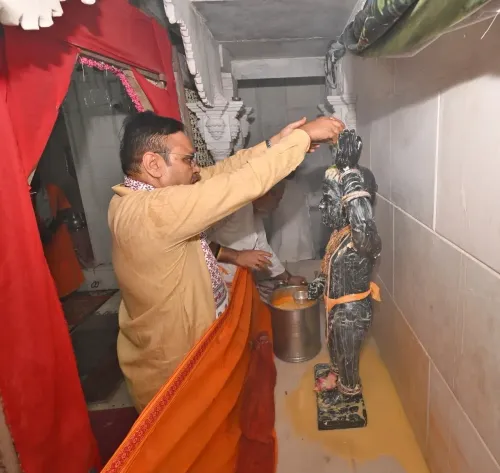
CM Bhajanlal Sharma performed ritual worship at Shri Govind Dev Ji Temple, Jaipur on 26 June 2026 .
The visit was on the occasion of Nirjala Ekadashi , one of the most significant Ekadashis in the Hindu calendar.
The temple's mahant presented prasad to the Chief Minister during the visit.
The CM prayed for the happiness and prosperity of all residents of Rajasthan.
Members of Parliament and several dignitaries were present at the event.
The visit was shared officially under the hashtag #AapnoAgraniRajasthan .
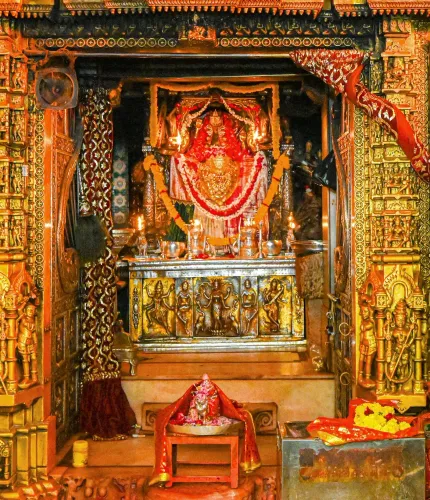
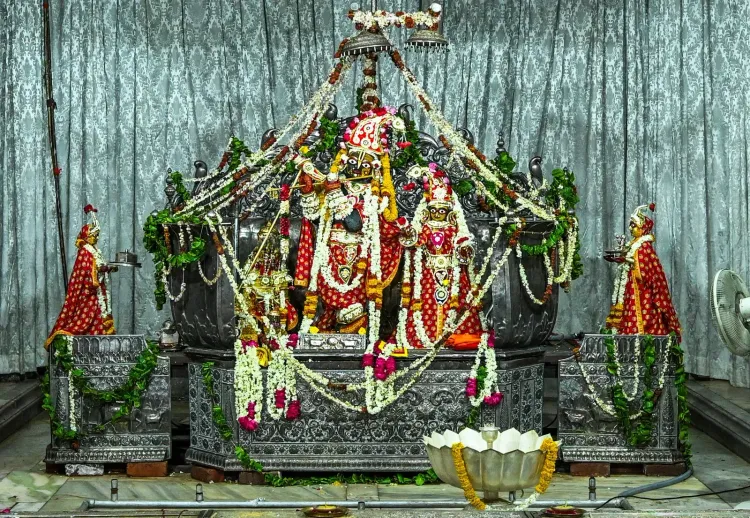
Chief Minister Bhajanlal Sharma visited the historic Shri Govind Dev Ji Temple in Jaipur on Friday, 26 June 2026, on the occasion of Nirjala Ekadashi, performing ritual worship and seeking blessings for the prosperity and well-being of the people of Rajasthan.
What Happened
The Chief Minister's Office of Rajasthan announced that CM Sharma conducted vidhi-vat pooja-archana (formal ritual worship) at the temple and prayed for the sukh-samridhi (happiness and prosperity) of the state's residents. During the visit, the temple's mahant (head priest) presented prasad (sacred offering) to the Chief Minister. Members of Parliament and several other dignitaries were also present at the event.
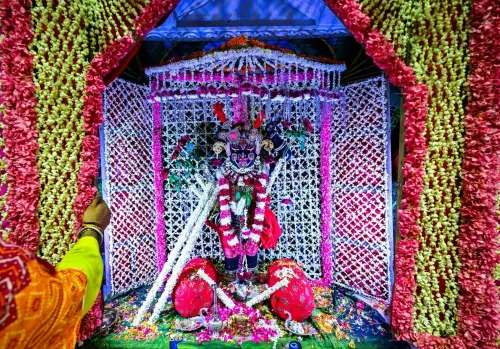
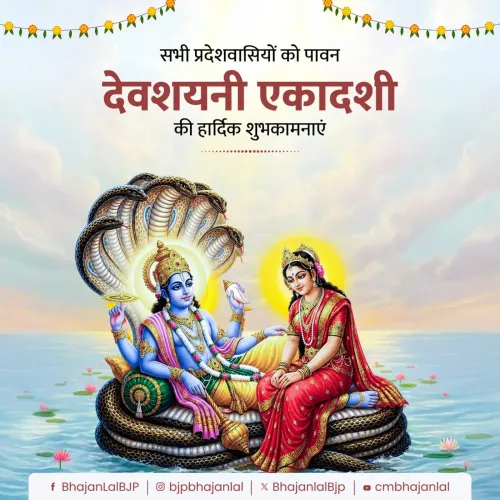
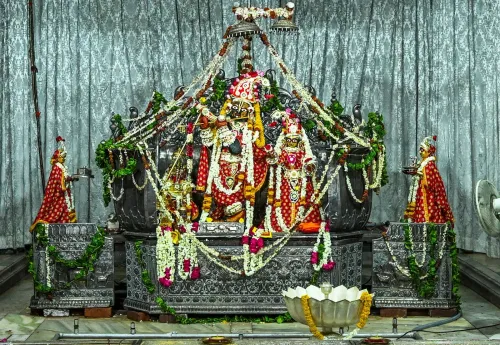
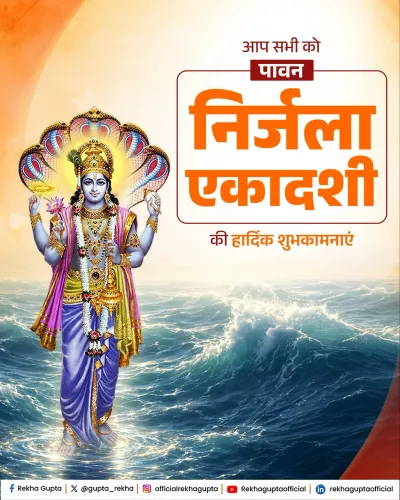
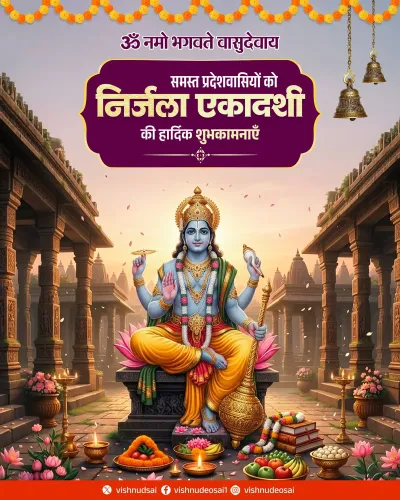
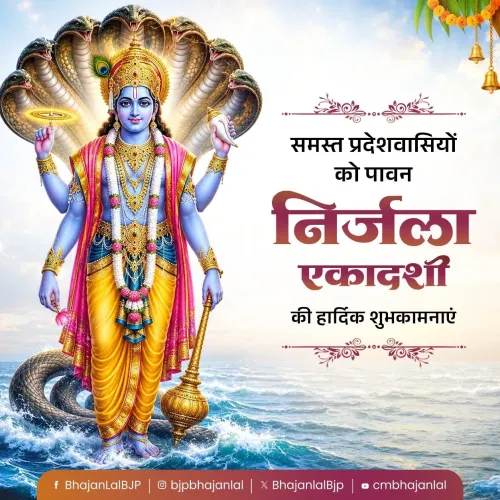
CM Sharma also received greetings from devotees gathered in the temple complex, engaging directly with worshippers on the auspicious occasion. The visit was accompanied by four images shared by the official handle under the hashtag #AapnoAgraniRajasthan (Our Leading Rajasthan).
Context: Nirjala Ekadashi and Govind Dev Ji Temple
Nirjala Ekadashi is one of the most significant of the 24 Ekadashis observed in the Hindu calendar year. Falling in the Jyeshtha month, it is marked by a strict waterless fast dedicated to Lord Vishnu and is considered especially meritorious among devotees across northern India.
The Shri Govind Dev Ji Temple in Jaipur's City Palace complex is one of the most revered Krishna temples in Rajasthan, drawing thousands of devotees on major Vaishnava observances. The temple holds deep historical and religious significance for the region and serves as a focal point for state-level religious gatherings.
Policy Backdrop
Since the BJP government under CM Bhajanlal Sharma came to power in December 2023 following the Rajasthan assembly elections, the administration has maintained a visible presence at traditional festivals and prominent temple events. This approach reflects the party's broader cultural positioning and the longstanding role of Vaishnava and Hindu observances in Rajasthan's public life.
State leaders across parties in Rajasthan have historically participated in major temple events during festivals, a practice that serves both as a demonstration of personal faith and as a direct engagement with large gatherings of citizens.
What to Watch
The Rajasthan government's engagement with religious and cultural occasions is expected to continue through the festive calendar, with major upcoming observances including Teej and Gangaur later in 2026. These events draw significant public participation and have traditionally seen active involvement from the state's political leadership.
Point of View
State governments have increasingly integrated religious observances into their public communication calendars, and Rajasthan is no exception. The regularity of these visits suggests they are a deliberate component of the government's outreach strategy rather than incidental engagements.
NationPress
24 Sept 2026
Frequently Asked Questions
Why did CM Bhajanlal Sharma visit Govind Dev Ji Temple?
CM Bhajanlal Sharma visited the Shri Govind Dev Ji Temple in Jaipur on the occasion of Nirjala Ekadashi on 26 June 2026 to perform ritual worship and pray for the well-being and prosperity of Rajasthan's residents.
What is Nirjala Ekadashi?
Nirjala Ekadashi is one of the most significant Hindu observances of the year, falling in the Jyeshtha month of the Hindu calendar. Devotees observe a strict waterless fast dedicated to Lord Vishnu, and it is considered highly meritorious.
Where is the Govind Dev Ji Temple?
The Shri Govind Dev Ji Temple is located within the City Palace complex in Jaipur, Rajasthan. It is one of the most revered Krishna temples in the state and draws large numbers of devotees during major Vaishnava festivals.
Who else attended the Nirjala Ekadashi event at Govind Dev Ji Temple?
Members of Parliament and several other dignitaries were present at the event alongside CM Bhajanlal Sharma. The temple's mahant also participated and presented prasad to the Chief Minister.
What did the Rajasthan CM pray for at Govind Dev Ji Temple?
CM Bhajanlal Sharma prayed for the happiness and prosperity of the people of Rajasthan during his Nirjala Ekadashi visit to the Govind Dev Ji Temple in Jaipur.