CM Bhajanlal Sharma visits Ambaji Shakti Peeth in Gujarat
Synopsis
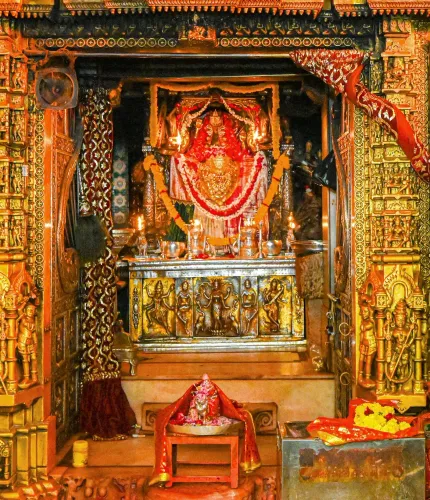
Rajasthan Chief Minister Bhajanlal Sharma visited the Ambaji Shakti Peeth in Gujarat's Banaskantha on June 21, 2026, performing ritual worship and praying for national and state welfare. Minister Otaram Devasi and MP Madan Rathore were among those present. The temple management gifted the Chief Minister an idol of Goddess Amba.
Key Takeaways
Bhajanlal Sharma , Chief Minister of Rajasthan, visited Ambaji Shakti Peeth in Banaskantha, Gujarat on June 21, 2026 .
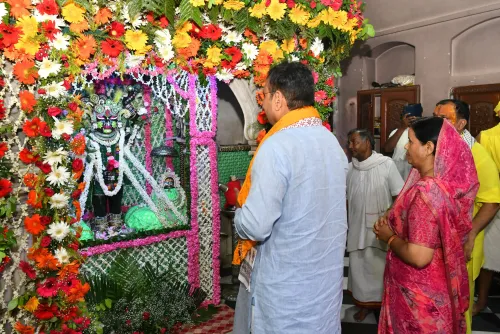
He performed puja-archana according to prescribed rites, praying for the prosperity and welfare of the nation and Rajasthan.
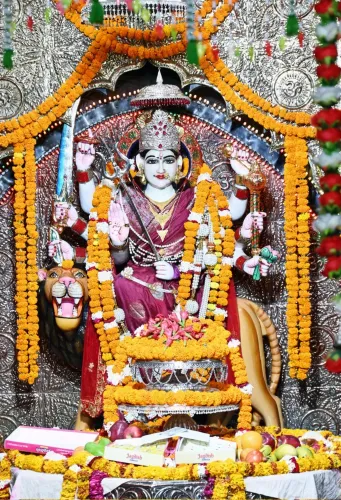
The Shakti Peeth management presented the Chief Minister with an idol of Maa Ambe as a mark of welcome.
State Minister Otaram Devasi (Panchayati Raj and Rural Development) and MP Madan Rathore accompanied the Chief Minister.
Ambaji is one of the 51 Shakti Peeths and a major cross-border pilgrimage site for devotees from Rajasthan and Gujarat.
The visit was tagged under the Bhajanlal government's #AapnoAgraaniRajasthan public outreach campaign.
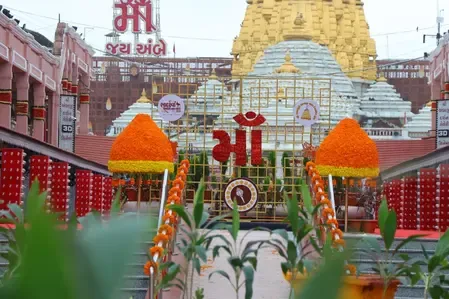
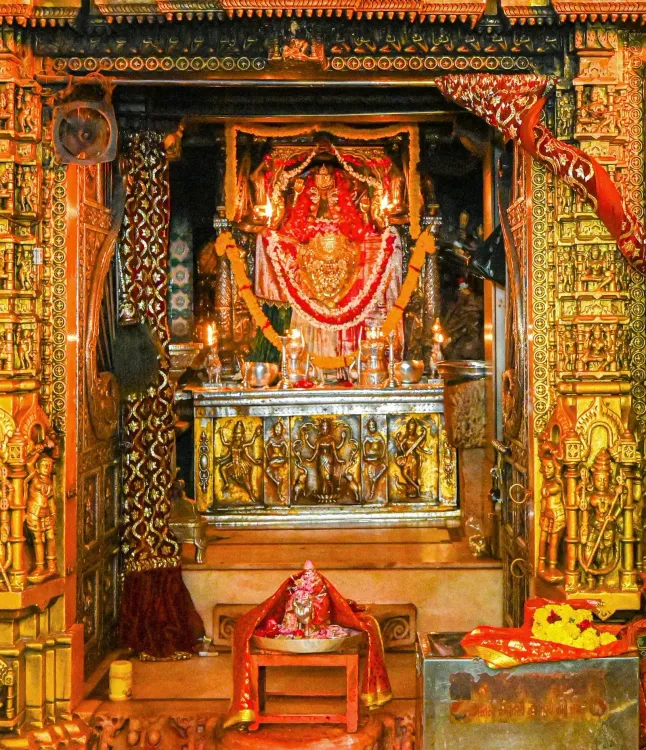
Chief Minister Bhajanlal Sharma of Rajasthan visited the Ambaji Shakti Peeth in Banaskantha district, Gujarat, on Sunday, June 21, 2026, offering prayers and seeking the blessings of Goddess Amba for the prosperity and welfare of the nation and the state. The temple management welcomed the Chief Minister and presented him with an idol of Maa Ambe (Mother Amba) as a mark of honour.
What happened
The Chief Minister's Office of Rajasthan announced that Sharma performed puja-archana (ritual worship) according to prescribed rites at the Shakti Peeth, praying for desh evam pradesh ki khushhaali, sukh-samriddhi aur jankalyan — the happiness, prosperity, and public welfare of the country and Rajasthan. The Shakti Peeth management received him formally and gifted an idol of the presiding deity.
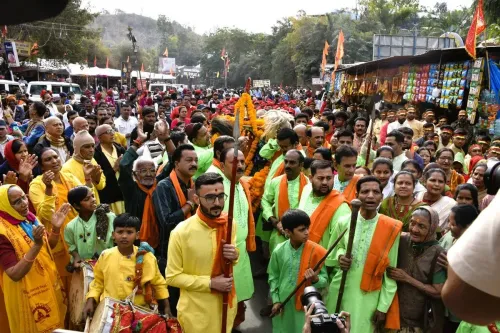
Accompanying the Chief Minister were Otaram Devasi, Minister of State for Panchayati Raj and Rural Development in the Rajasthan cabinet, and Madan Rathore, Member of Parliament from Rajasthan, along with other elected representatives.
Context
Ambaji is among the 51 Shakti Peeths revered across the Indian subcontinent and is one of the most visited pilgrimage sites in western India, drawing large numbers of devotees from Rajasthan and neighbouring states year-round. Located in Banaskantha, it sits near the Rajasthan-Gujarat border, making it culturally significant to both states, which share deep linguistic and religious ties.
The visit was framed by the Chief Minister's Office as a personal act of devotion, with the hashtag #AapnoAgraaniRajasthan (Our Leading Rajasthan) appended to the post, a branding phrase associated with the Bhajanlal Sharma government's public outreach.
Policy backdrop
Chief ministers from BJP-governed states have regularly undertaken visits to prominent religious sites in neighbouring states, a pattern that reinforces cultural affinity and signals continuity of governance priorities to religious constituencies. Rajasthan and Gujarat share a long border and overlapping pilgrimage circuits, and such visits are often seen as part of broader religious-tourism outreach.
The Bhajanlal Sharma government, which took office in December 2023, has emphasised cultural and religious heritage as part of its development agenda under the Aapno Agraani Rajasthan framework. Analysts note that visits to cross-border shrines can also lay the ground for inter-state cooperation on pilgrimage infrastructure.
Stakeholders and impact
The visit is significant for Hindu pilgrims from both Rajasthan and Gujarat, for whom Ambaji holds deep devotional importance. The presence of Otaram Devasi and Madan Rathore alongside the Chief Minister underscores the visit's dual character as both a personal pilgrimage and a public-facing engagement by state leadership.
Temple management and the local Banaskantha administration also benefit from the visibility that a sitting chief minister's visit brings to the site, potentially encouraging greater state-level attention to pilgrimage facilities and connectivity.
What's next
Observers will watch for any follow-up announcements on religious-tourism circuits linking Rajasthan's own temple network with Ambaji or other Gujarat shrines, as well as possible joint cultural initiatives between the two state governments. The visit, coming ahead of the monsoon season when pilgrimage activity traditionally peaks in western India, may also foreshadow infrastructure or connectivity announcements tied to the region's pilgrimage economy.
Point of View
Particularly those that straddle state borders and carry symbolic weight across constituencies. The cross-border dimension — Rajasthan's chief minister visiting a Gujarat shrine — subtly reinforces the cultural and political alignment between two BJP-governed states that share a long border and overlapping electoral geography. Framed as personal devotion yet amplified through the official CMO handle and the government's branding hashtag, the visit blurs the line between private pilgrimage and state outreach. Whether it translates into concrete policy — such as a pilgrimage corridor or improved connectivity to Ambaji — will determine whether it registers beyond optics.
NationPress
21 Jun 2026
Frequently Asked Questions
Where is Ambaji Shakti Peeth located?
Ambaji Shakti Peeth is located in Banaskantha district, Gujarat , near the Rajasthan-Gujarat border. It is one of the 51 Shakti Peeths and one of the most visited pilgrimage sites in western India.
Why did Rajasthan CM Bhajanlal Sharma visit Gujarat?
Bhajanlal Sharma visited Ambaji Shakti Peeth in Gujarat on June 21, 2026, for personal devotion — performing ritual worship and praying for the welfare and prosperity of the nation and Rajasthan.
Who accompanied CM Bhajanlal Sharma to Ambaji?
State Minister Otaram Devasi (Panchayati Raj and Rural Development) and MP Madan Rathore , along with other elected representatives, accompanied the Chief Minister during the visit.
What is Aapno Agraani Rajasthan?
Aapno Agraani Rajasthan (Our Leading Rajasthan) is a public outreach and branding campaign associated with the Bhajanlal Sharma government that took office in December 2023, used to highlight governance and cultural initiatives.
What are the 51 Shakti Peeths?
The 51 Shakti Peeths are a network of sacred Hindu shrines dedicated to the goddess Shakti, spread across the Indian subcontinent. Ambaji in Gujarat is one of the most prominent among them.