CM Bhajan Lal Sharma Offers Prayers at Ambaji Dham in Gujarat
Synopsis
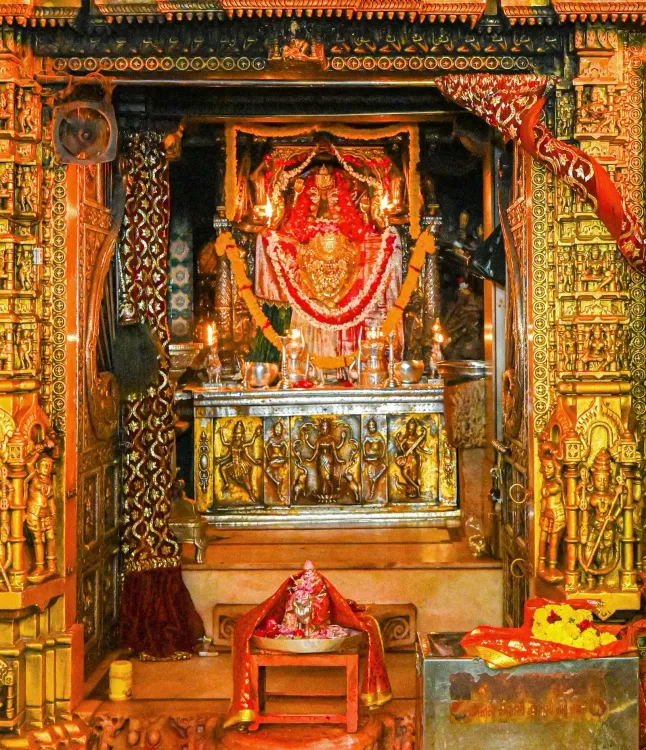
Rajasthan Chief Minister Bhajan Lal Sharma visited Maa Ambaji Dham in Gujarat on June 21, 2026, offering prayers for the happiness, prosperity, and good health of all Rajasthan residents. The visit underscores the deep cultural and devotional ties between Rajasthan and Gujarat centred on the revered Shakti Peeth.
Key Takeaways
Bhajan Lal Sharma , Chief Minister of Rajasthan, visited Maa Ambaji Dham in Banaskantha, Gujarat on June 21, 2026 .
He performed darshan and pujan at the temple, one of India's most significant Shakti Peethas .
Sharma publicly prayed for the happiness, prosperity, good health, and well-being of all Rajasthan residents.
The visit reflects longstanding cultural and devotional links between Rajasthan and Gujarat , with Ambaji serving as a shared regional pilgrimage centre.
No formal policy announcements accompanied the visit, but it aligns with broader BJP emphasis on Hindu heritage in public life.
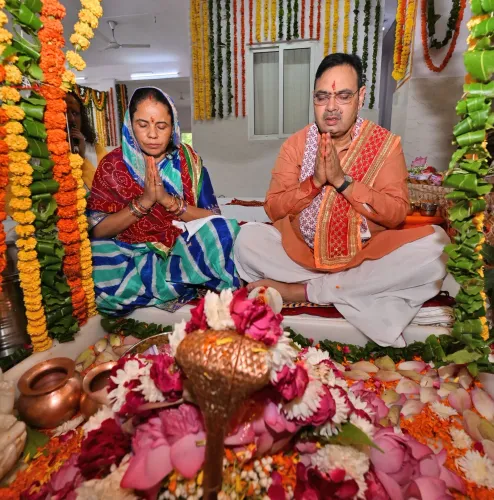
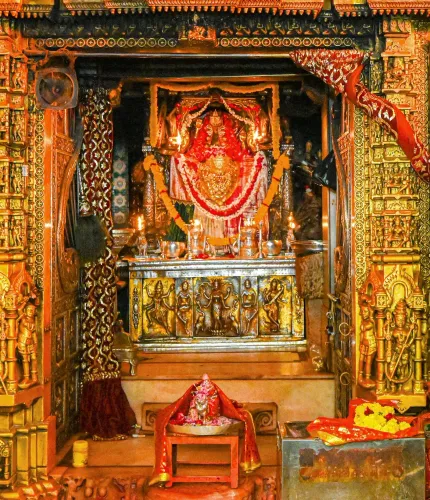
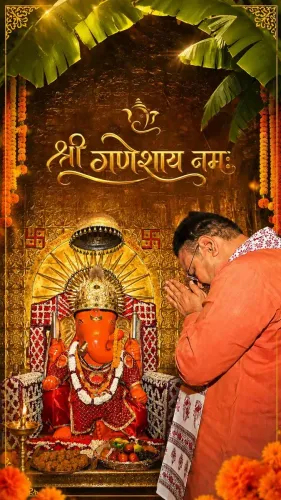
Rajasthan Chief Minister Bhajan Lal Sharma visited Maa Ambaji Dham in Gujarat on Sunday, June 21, 2026, offering prayers and seeking the goddess's blessings for the welfare and prosperity of all residents of Rajasthan.
Posting on X, the Chief Minister wrote: 'Aaj Gujarat sthit Maa Ambaji Dham mein darshan evam pujan ka saubhagya prapt hua' — 'Today I had the fortune of having darshan and performing pujan at Maa Ambaji Dham in Gujarat.' He added that he prayed to Jagat Janani (Mother of the Universe) Maa Ambaji for the happiness, prosperity, good health, and well-being of all people of the state, and expressed his hope that with the goddess's grace, Rajasthan would continue on the path of progress and development.
Context
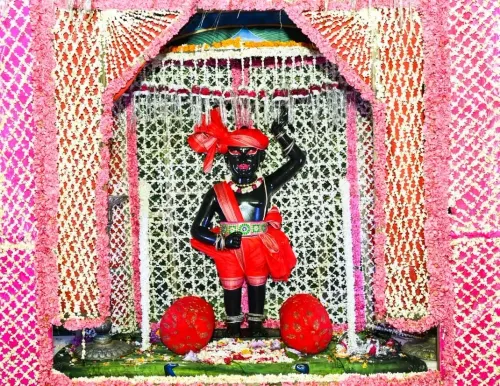
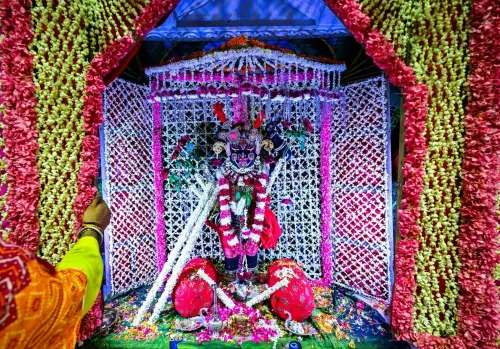
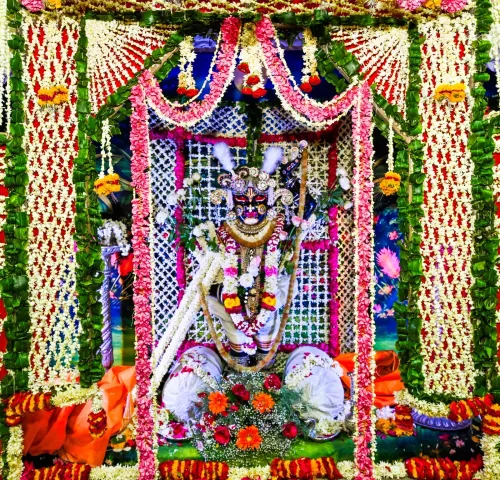
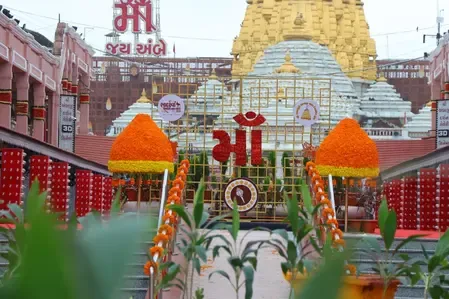
Ambaji Dham is one of the most revered Shakti Peethas in India, located in the Banaskantha district of Gujarat. The temple draws millions of pilgrims annually from Rajasthan, Gujarat, and beyond, and holds deep cultural significance across the two neighbouring states. The shrine is considered a shared regional centre of devotion, particularly for communities living along the Rajasthan-Gujarat border.
Chief Minister Sharma's visit falls on a Sunday, a day when major temple complexes across India typically see heightened footfall from devotees and public figures alike.
Policy Backdrop
Rajasthan governments have promoted religious tourism circuits linking temples within the state to prominent pilgrimage sites in Gujarat since the early 2010s. The cultural and devotional links between the two states are longstanding, with Ambaji functioning as a natural node in any cross-border pilgrimage itinerary.
The BJP, which governs both Rajasthan — where Sharma took office in December 2023 — and Gujarat, has consistently emphasised Hindu heritage in its public outreach. Temple visits by chief ministers from BJP-ruled states are a recurring feature of political and cultural communication, reflecting the party's broader emphasis on connecting governance with religious identity.
Stakeholders and Impact
The primary audience for this gesture is Rajasthan's large Hindu pilgrim community, for whom Ambaji carries deep spiritual importance. By publicly associating his visit with prayers for the state's collective welfare, Sharma frames the pilgrimage as an act of public service rather than personal devotion alone.
Religious tourism operators and infrastructure stakeholders along the Rajasthan-Gujarat corridor may also read the visit as a signal of continued political interest in strengthening cross-border pilgrim facilities, though no formal announcements accompanied this post.
What's Next
Observers will watch for any follow-up policy announcements — particularly in upcoming state budget sessions or tourism policy updates — that reference temple circuits or pilgrim infrastructure connecting Rajasthan with sites such as Ambaji. The visit could also precede broader outreach around religious tourism as a development lever for the state's economy.
Point of View
Sharma converts a personal religious act into a political communication exercise. The visit also quietly signals continued interest in the Rajasthan-Gujarat religious tourism corridor, a policy space that has remained underdeveloped relative to its economic potential. Whether it catalyses concrete infrastructure announcements will be the real test of intent.
NationPress
19 Sept 2026
Frequently Asked Questions
Why did Rajasthan CM Bhajan Lal Sharma visit Ambaji Dham?
Chief Minister Bhajan Lal Sharma visited Maa Ambaji Dham in Gujarat on June 21, 2026, to offer prayers and seek the goddess's blessings for the prosperity, good health, and happiness of all Rajasthan residents.
Where is Ambaji Dham located?
Ambaji Dham is located in the Banaskantha district of Gujarat. It is one of India's most important Shakti Peethas and draws pilgrims from Rajasthan, Gujarat, and across the country.
What is Ambaji temple known for?
Ambaji temple is a revered Shakti Peeth dedicated to Goddess Amba. It is considered one of the 51 Shakti Peethas and is a major centre of pilgrimage for Hindus, especially in western India.
Who is Bhajan Lal Sharma?
Bhajan Lal Sharma is the Chief Minister of Rajasthan and a senior BJP leader. He assumed office in December 2023 following the BJP's victory in the Rajasthan state assembly elections.
Does Rajasthan have a religious tourism circuit with Gujarat?
Yes, Rajasthan governments have periodically promoted religious tourism circuits connecting temples within the state to prominent pilgrimage sites in Gujarat, including Ambaji, since the early 2010s.