CM Mohan Yadav Backs Cabinet Nod for Agniveer Second Tour
Synopsis
The Union Cabinet under PM Narendra Modi has approved a 'Second Tour of Duty' for Agniveers, allowing those who complete the four-year contract to serve two additional years based on merit. MP CM Dr. Mohan Yadav has welcomed the decision as a boost for youth and national defence.
Key Takeaways
The Union Cabinet, chaired by Prime Minister Narendra Modi , approved a 'Second Tour of Duty' for Agniveers on 4 November 2026 .
Agniveers who complete the initial four-year service will be eligible for an additional two years of service based on selection criteria.
The existing pathway to regular permanent cadre absorption remains available for eligible and willing Agniveers.
The Agnipath scheme was originally launched in June 2022 to recruit soldiers on short-term contracts across the Army, Navy, and Air Force.
MP Chief Minister Dr.
Mohan Yadav praised the decision as 'far-sighted' and credited PM Modi for strengthening national defence.
Specific selection criteria and branch-wise quotas for the second tour are yet to be publicly notified.
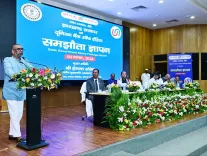
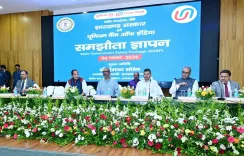
A significant addition to India's military recruitment architecture arrived on Wednesday, 4 November 2026, when the Union Cabinet, chaired by Prime Minister Narendra Modi, approved a 'Second Tour of Duty' for Agniveers — a move that Madhya Pradesh Chief Minister Dr. Mohan Yadav has welcomed as a transformative step for national defence and youth service.
What the Second Tour Actually Means for Agniveers
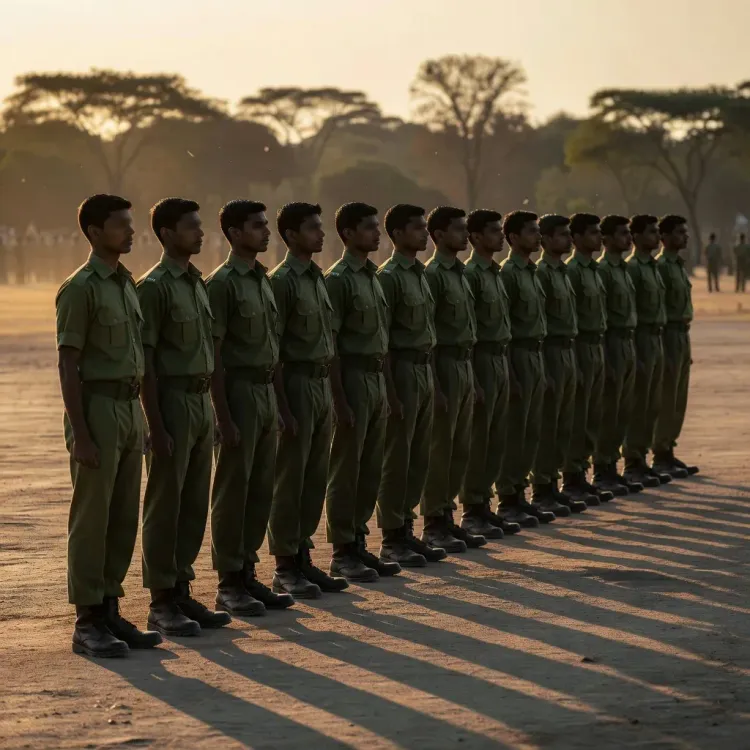
Under the original Agnipath scheme, launched in June 2022, soldiers recruited as Agniveers served a fixed four-year contract in the Indian Army, Navy, or Air Force. The Cabinet's latest decision extends that framework: Agniveers who complete the initial four-year stint will now be eligible for an additional two years of service, subject to defined selection criteria. Those who qualify and wish to continue further may still be absorbed into the regular permanent cadre of the armed forces — a pathway that existed before and remains intact.
Dr. Yadav described the decision as 'दूरदर्शी' (far-sighted), saying it offers young soldiers 'an opportunity for two additional years of national service on the basis of determined selection criteria.' He expressed 'heartfelt gratitude' to Prime Minister Modi for a decision he said will 'strengthen the energy of youth and give new power to national defence.'
The Agnipath Backstory: Why Incremental Adjustments Matter
When the Agnipath scheme debuted in June 2022, it triggered widespread protests across several states, with applicants concerned about job security after the four-year window. The scheme's stated objective was to lower the average age profile of the armed forces by cycling in younger recruits on short contracts. Critics argued that four years was too brief to build battlefield-ready veterans; defenders countered that it modernised a bloated recruitment pipeline.
The Second Tour of Duty is precisely the kind of incremental refinement that observers had been anticipating since the scheme's rollout — an operational feedback loop made policy. By adding a two-year extension tier with merit-based selection, the government is creating a middle layer between the short-term contract and full regular-cadre absorption, potentially retaining proven performers without fully reversing the scheme's original architecture.
What Still Needs to Be Spelled Out
The Cabinet approval sets the direction; the details will determine its impact. The selection criteria and service-branch-wise quotas for the second tour have not yet been publicly notified. Equally important will be whether the percentage of Agniveers eligible for regular-cadre absorption changes — or stays at its existing level — as the new extension tier takes shape. Those figures, once published, will tell the full story of how wide this new door actually opens.
India's armed forces recruit across all three services — Army, Navy, and Air Force — meaning the policy will cascade through each branch's manpower planning in distinct ways. For the tens of thousands of Agniveers currently mid-contract, the announcement signals that high performance now has a tangible, two-year reward on the other side.
India just told its youngest soldiers: serve well, and the door stays open longer. The criteria that follow will prove whether that promise is as wide as it sounds.
Point of View
Too uncertain) without dismantling its structural logic of a younger force profile. For the BJP, it offers a defensible narrative ahead of any state election cycle where ex-Agniveer grievances could have been a flashpoint. The fact that a Chief Minister — not a defence ministry spokesperson — is amplifying the announcement reflects a deliberate party-wide communication strategy to nationalise the credit. The real test will be in the selection criteria: if the second-tour slots are narrow or opaque, the reform will feel cosmetic; if they are broad and transparent, it marks a genuine evolution of the scheme.
NationPress
4 Nov 2026
Frequently Asked Questions
What is the Agniveer Second Tour of Duty?
It is a Cabinet-approved extension that allows Agniveers who complete the initial four-year service contract to apply for an additional two years of military service, subject to defined selection criteria.
What is the Agnipath scheme?
The Agnipath scheme, launched in June 2022, recruits soldiers into the Indian Army, Navy, and Air Force on fixed four-year contracts. These recruits are known as Agniveers.
Can Agniveers still join the regular permanent cadre after the second tour?
Yes. Eligible and willing Agniveers can still be considered for absorption into the regular permanent cadre of the armed forces, a pathway that remains unchanged under the new decision.
When did the Cabinet approve the Second Tour of Duty?
The Union Cabinet, chaired by Prime Minister Narendra Modi, approved the Second Tour of Duty on 4 November 2026.
What are the selection criteria for the Agniveer Second Tour of Duty?
The Cabinet decision refers to 'determined selection criteria,' but the detailed criteria and branch-wise quotas have not yet been publicly notified and are expected to follow.