Jharkhand Signs MoUs With 4 PSBs for Employee Financial Safety
Synopsis
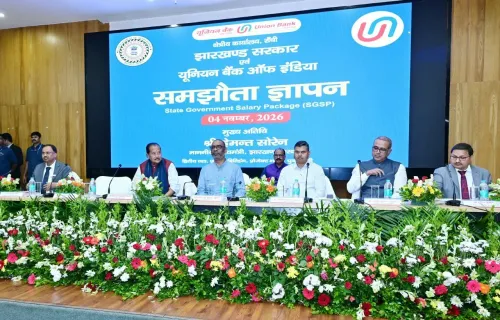
Jharkhand has signed MoUs with State Bank of India, Punjab National Bank, Bank of India and Union Bank of India to extend financial protection to nearly 1.75 lakh state government employees and their families during times of crisis, CM Hemant Soren announced on 4 November 2026.
Key Takeaways
Four public sector banks — SBI, PNB, Bank of India and Union Bank of India — have signed MoUs with the Jharkhand state government.
The scheme covers approximately 1.75 lakh Jharkhand government employees and their families.
The stated purpose is financial security during times of distress or adversity , not routine banking.
CM Hemant Soren of the JMM-led government announced the MoUs, with the CMO sharing details on 4 November 2026.
Specific product details — premium structures, claim processes and rollout timelines — are yet to be publicly disclosed .
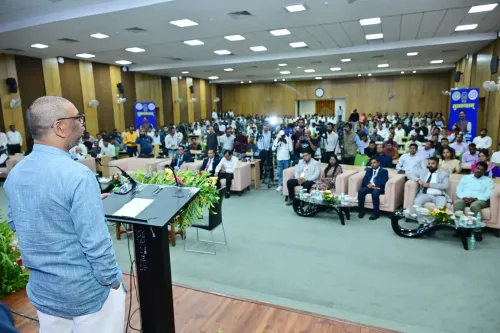
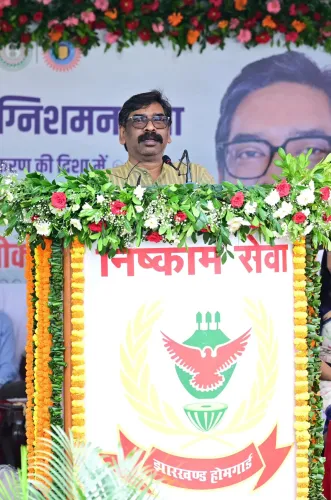
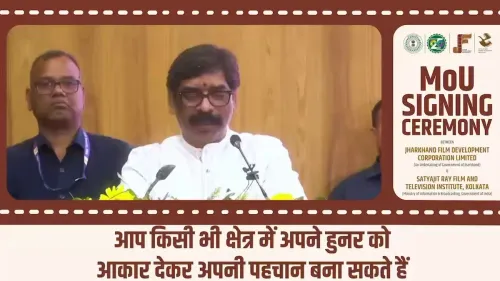
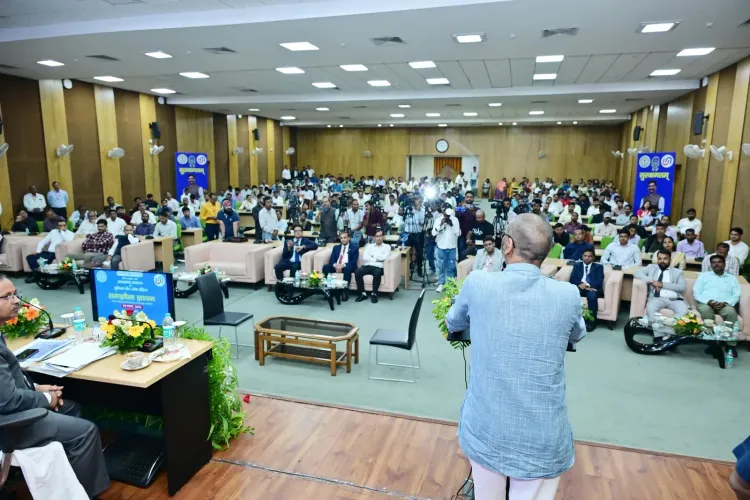
When a government employee faces a family emergency, the last thing they should worry about is finding money. Jharkhand Chief Minister Hemant Soren announced on Wednesday, 4 November 2026 that the state government has signed Memoranda of Understanding with four major public sector banks — giving nearly 1.75 lakh state employees and their families a formal financial safety net for times of crisis.
Quoting Chief Minister Soren, the Chief Minister's Office of Jharkhand posted: 'राज्य सरकार ने स्टेट बैंक, पंजाब नेशनल बैंक, बैंक ऑफ इंडिया और यूनियन बैंक ऑफ इंडिया के साथ MoU किया है' — ['The state government has signed MoUs with State Bank, Punjab National Bank, Bank of India and Union Bank of India'] — with the express purpose of providing financial security to employees and their families in times of distress.
Four banks, one safety net for 1.75 lakh Jharkhand employees
The four institutions — State Bank of India, Punjab National Bank, Bank of India, and Union Bank of India — are all major public sector lenders with deep rural and semi-urban reach, precisely the kind of network needed to serve a geographically dispersed state workforce. By anchoring employee welfare to bank partnerships rather than a standalone state fund, the Jharkhand government is tapping into infrastructure that already exists at scale.
Across India, state governments have long used MoU frameworks with public sector banks to extend group insurance, emergency credit lines, and pension-linked financial products to their employees. The delivery works through existing bank branches and payroll linkages, reducing administrative overhead and reaching employees faster than a new government scheme typically would.
Why 'vipattikal' — times of distress — is the operative phrase
The post is deliberate about its language: the scheme targets vipattikal — adversity or crisis — not routine financial needs. That framing suggests the MoUs are structured around emergency credit, accident or health-linked insurance covers, or similar distress-triggered instruments rather than everyday banking products. Specific premium structures, claim processes, and rollout timelines are yet to be publicly detailed.
For a state like Jharkhand, where a large share of government employees serve in remote tribal districts with limited access to formal financial services, a bank-backed distress window carries real weight. The near-1.75 lakh figure covers not just the employees themselves but their immediate families — multiplying the beneficiary base significantly.
The finer mechanics — which products each bank will offer, how employees enroll, and when the first disbursements begin — will determine whether this framework moves from MoU to meaningful relief. The government now has four large institutional partners committed on paper. What comes next is delivery.
Point of View
Trading direct-benefit-transfer complexity for the institutional reach of lenders already embedded in payroll systems. For the Hemant Soren administration, the announcement is also a visible employee-welfare signal ahead of ongoing labour-relations discussions in the state. The real test is operationalisation: MoUs with banks are relatively easy to sign but the scheme's credibility will hinge on how quickly distress claims are processed and how accessible the mechanism is for employees in Jharkhand's most remote postings.
NationPress
4 Nov 2026
Frequently Asked Questions
Which banks has Jharkhand signed MoUs with for employee welfare?
Jharkhand has signed MoUs with State Bank of India, Punjab National Bank, Bank of India and Union Bank of India to provide financial security to state government employees.
How many Jharkhand employees benefit from the bank MoU scheme?
Nearly 1.75 lakh (approximately 175,000) state government employees and their families are covered under the MoU framework announced by CM Hemant Soren.
What kind of financial help will Jharkhand employees get under the MoU?
The MoUs are designed to provide financial security during times of distress or adversity. Specific products may include emergency credit or insurance covers, though detailed terms are yet to be officially disclosed.
Who announced the Jharkhand employee welfare bank MoU?
Chief Minister Hemant Soren of the JMM-led Jharkhand government announced the MoUs, with the official Chief Minister's Office sharing the statement on 4 November 2026.
Do other state governments also sign MoUs with public sector banks for employees?
Yes. It is a common practice across Indian states to partner with public sector banks to extend group insurance, emergency credit and pension-linked financial products to government employees using the banks' existing branch networks.