Rijiju: Cabinet clears ₹14,500 cr energy storage scheme
Synopsis
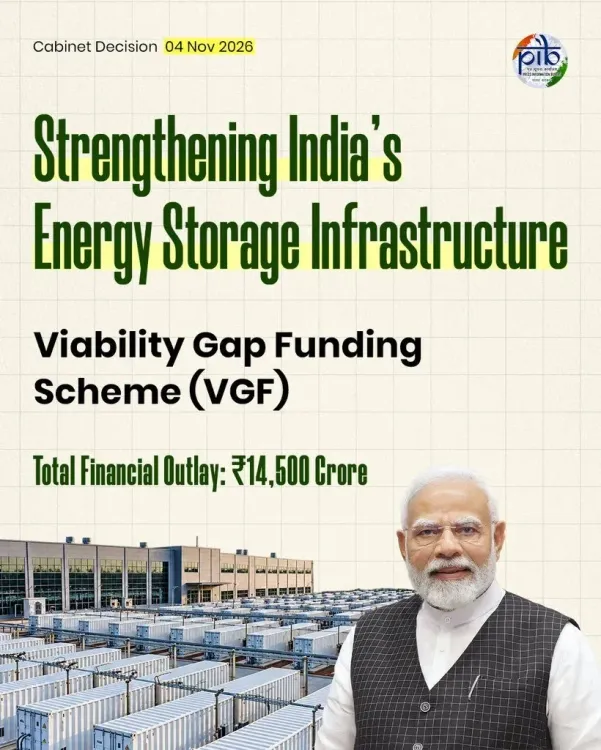
The Union Cabinet has approved a ₹14,500 crore Viability Gap Funding scheme to develop 92 GWh of grid-scale energy storage across India between FY 2026–27 and FY 2030–31, addressing the intermittency challenge in India's renewable energy expansion.
Key Takeaways
The Union Cabinet approved the ₹14,500 crore VGF Scheme for Grid-Scale Energy Storage Systems under PM Narendra Modi.
The scheme targets 92 GWh of new energy storage capacity to be developed nationwide.
The funding window runs from FY 2026–27 to FY 2030–31 , a five-year horizon tied to India's 2030 clean-energy commitments.
Viability Gap Funding bridges the financial shortfall that makes storage projects unbankable for private developers without government support.
The move directly supports India's COP26 pledge of 500 GW non-fossil fuel capacity by 2030 by addressing solar and wind intermittency.
Central and state agencies will issue tenders; progress on those tenders is the key near-term indicator of scheme execution.
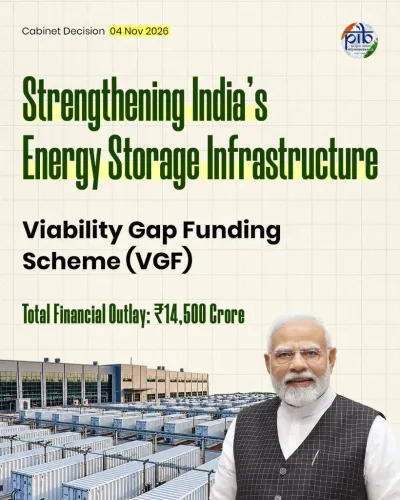
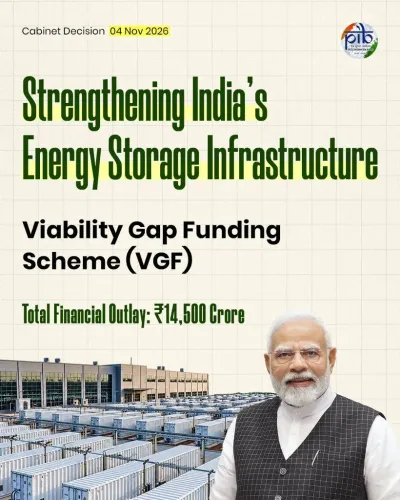
India's grid is about to get a serious backbone. Union Parliamentary Affairs Minister Kiren Rijiju announced on Wednesday, November 4, 2026 that the Union Cabinet, under Prime Minister Narendra Modi, has approved the ₹14,500 crore Viability Gap Funding (VGF) Scheme for Grid-Scale Energy Storage Systems — a five-year push running from FY 2026–27 to FY 2030–31 aimed at building 92 gigawatt-hours (GWh) of new storage capacity across the country.
Why 92 GWh and why now
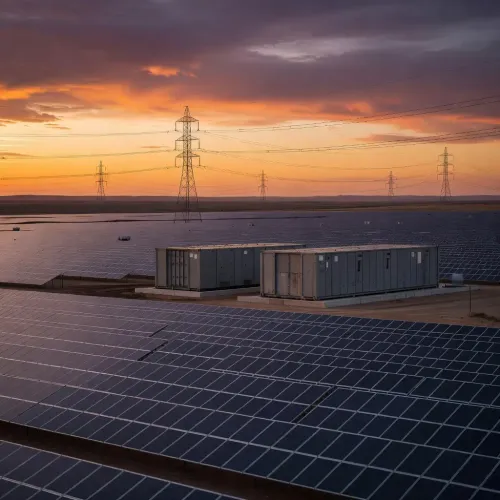
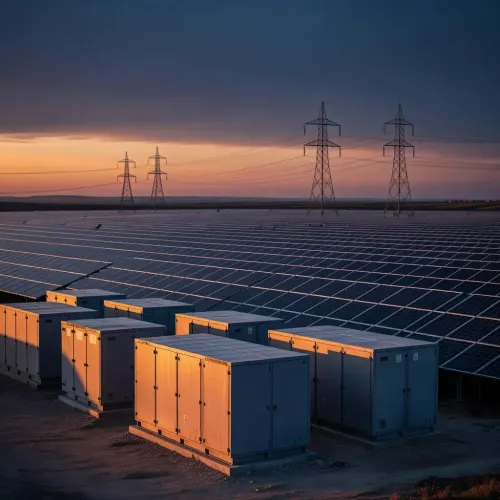
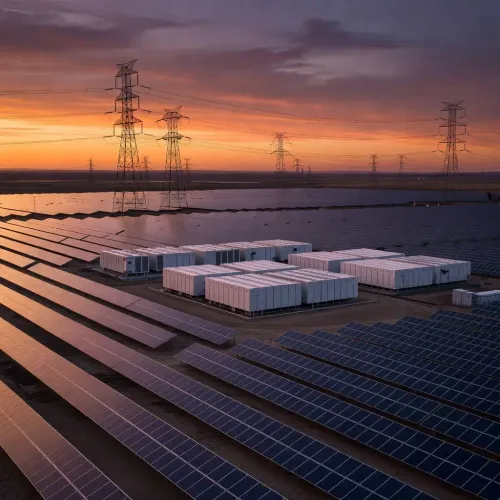
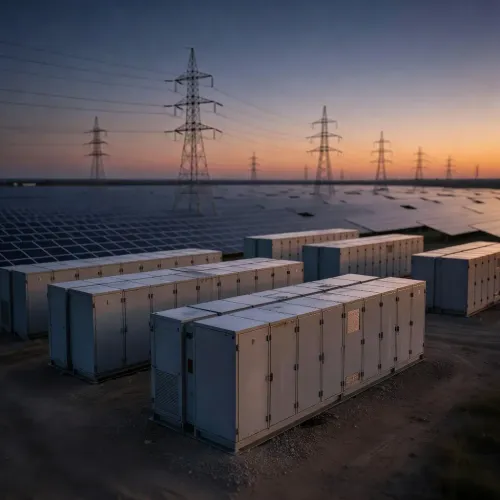
The number is not arbitrary. As India races toward its COP26 pledge of 500 GW of non-fossil fuel capacity by 2030, the single biggest engineering headache has been intermittency — the sun sets, the wind drops, and the grid stutters. Battery and pumped-storage projects can smooth that curve, but they have historically struggled to attract private capital because the economics do not pencil out without support. That is precisely the gap the VGF instrument is designed to close.
Viability Gap Funding is not new to India. The government has deployed it since the early 2000s across highways, ports, and renewable energy projects — essentially topping up a project's finances enough to make it bankable for private developers while keeping public exposure capped. Extending the same logic to grid-scale storage is a natural, if long-overdue, next step.
What ₹14,500 crore actually buys
The outlay of ₹14,500 crore functions as a subsidy bridge, not a full project cost. The scheme is expected to crowd in private investment from renewable energy developers and power distribution companies who need storage to firm up their supply contracts. Central and state agencies will issue tenders against the approved capacity, with the 92 GWh target spread across projects commissioned by 2031. For scale, 92 GWh can store enough electricity to power tens of millions of homes through a grid stress event — a meaningful buffer for a country adding solar and wind at breakneck speed.
The strategic wiring behind the Cabinet call
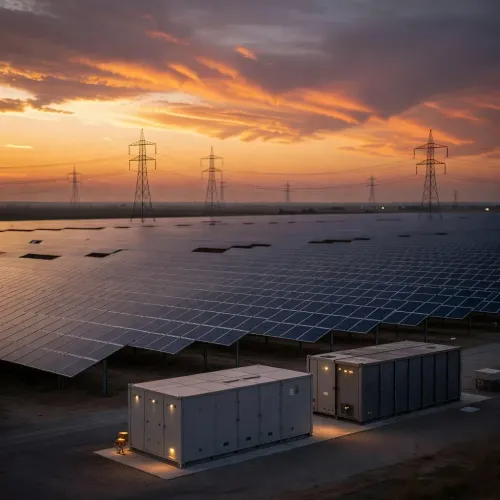
India's renewable capacity additions have consistently outpaced storage deployments, creating a widening gap between clean power generated and clean power reliably delivered. Without storage, distribution companies either curtail renewable energy or lean on coal peakers to cover evening demand — undermining the very transition the government is funding. The VGF scheme directly addresses that contradiction by making storage projects financially viable for the private sector to build and operate.
Rijiju's post flags this as a 'strengthening of India's energy storage infrastructure' — framing that positions storage not as a niche technology bet but as core national infrastructure, on par with roads and ports in the government's investment vocabulary.
Tenders, timelines, and the 2030 countdown
The immediate watch-point is the pace at which central and state agencies translate the Cabinet approval into live tenders. The five-year window to FY 2030–31 is tight given that large storage projects carry long procurement and construction cycles. How quickly the first tranche of capacity reaches financial close will signal whether the scheme can hit its 92 GWh goal before India's 2030 clean-energy deadline arrives.
India has made the bet. Now the grid has to deliver on it.
Point of View
The government is signalling that storage is now infrastructure, not just technology. The five-year, ₹14,500 crore commitment also carries a diplomatic dimension: it shores up India's credibility on its COP26 500-GW pledge with roughly four years left on the clock. The real policy test, however, will be execution speed — whether tender issuance and financial closures can outpace the growing mismatch between renewable generation and grid reliability.
NationPress
4 Nov 2026
Frequently Asked Questions
What is the VGF Scheme for Grid-Scale Energy Storage?
It is a Union Cabinet-approved scheme worth ₹14,500 crore that provides Viability Gap Funding to make grid-scale battery and pumped-storage projects financially viable for private developers, targeting 92 GWh of new storage capacity by FY 2030–31.
Why does India need grid-scale energy storage?
Solar and wind power are intermittent — they generate electricity only when the sun shines or wind blows. Grid-scale storage captures surplus renewable energy and releases it during evening or low-generation periods, preventing curtailment and reducing reliance on coal peakers.
What is Viability Gap Funding and how does it work?
Viability Gap Funding is a government subsidy that bridges the difference between a project's economic value and its financial returns, making it attractive enough for private investment. India has used it successfully for highways, ports, and earlier renewable energy projects since the early 2000s.
How much storage capacity will the scheme create?
The scheme aims to develop 92 GWh of grid-scale energy storage capacity across India, to be commissioned by FY 2030–31 .
How is this scheme linked to India's climate commitments?
India pledged at COP26 in 2021 to achieve 500 GW of non-fossil fuel capacity by 2030 . Grid-scale storage is essential to that goal because it makes intermittent renewable energy dispatchable and reliable, supporting the transition away from coal-based peak power.