CM Bhupendra Patel Launches Gram-Haat at 136 Bus Stations
Synopsis
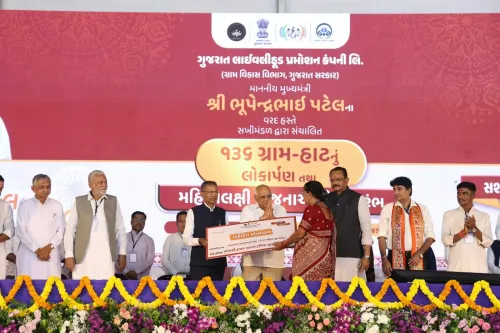
Gujarat CM Bhupendra Patel inaugurated Gram-Haat retail points at 136 state bus stations from Rajkot on Navratri eve, and signed 13 MoUs via GLPC to connect rural self-help group women to organised markets for their handicraft and cottage-industry products.
Key Takeaways
Gujarat CM Bhupendra Patel inaugurated the Gram-Haat initiative from Rajkot on October 10, 2026 , the eve of Navratri.
Gram-Haat retail points will be set up at 136 bus stations across Gujarat to sell SHG women's handicraft and cottage-industry products.
The initiative is organised by the Gujarat Livelihood Promotion Company (GLPC) .
13 MoUs were signed with partner organisations to connect rural self-help groups to larger institutional markets.
CM Patel linked the programme to PM Narendra Modi 's 25 years of public service, highlighting women's empowerment as a central policy priority.
The launch is designed to give rural artisans and home-industry producers a permanent, high-footfall sales channel beyond seasonal fairs.
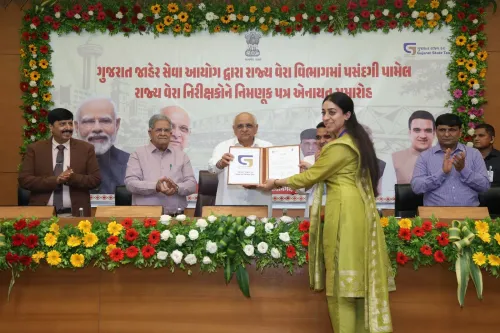
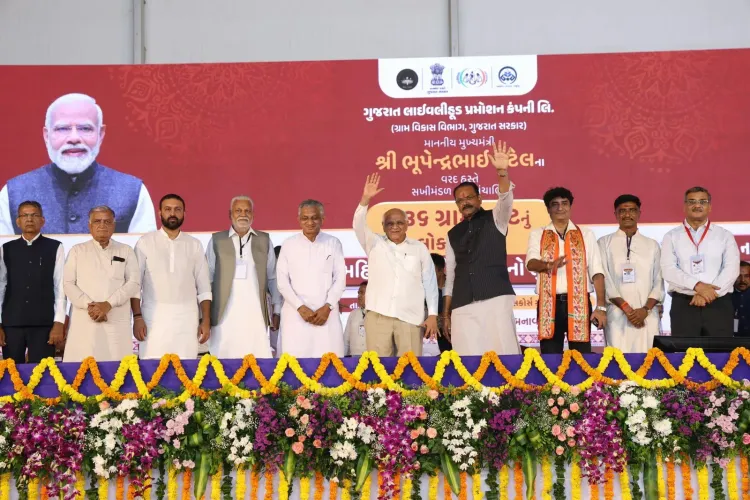
On the eve of Navratri, Gujarat Chief Minister Bhupendra Patel turned a celebration of feminine power into a concrete economic policy move — inaugurating Gram-Haat outlets at 136 bus stations across Gujarat from Rajkot on Saturday, October 10, 2026, and signing 13 MoUs to open larger markets for women-led self-help groups.
Gram-Haat: Rural Craft Meets State Highway Network
The initiative, organised by the Gujarat Livelihood Promotion Company (GLPC), plants dedicated retail points for handcraft and cottage-industry products at bus stations statewide — turning everyday transit hubs into live marketplaces for rural artisans. The timing is deliberate: with Navratri foot-traffic surging at these stations, the launch maximises immediate buyer exposure for SHG products.
The 13 MoUs signed at the Rajkot event are designed to plug self-help group producers into institutional buyers and distribution networks — moving rural women's goods out of village fairs and onto organised supply chains. CM Patel framed the day as 'naarshakti na saamarthyane vandan' — a salute to the strength of women — fitting the Navratri spirit of honouring feminine energy.
GLPC's Role in Gujarat's SHG Economy
The Gujarat Livelihood Promotion Company is the state's nodal agency for rural livelihoods, channelling schemes that organise women into self-help groups, provide micro-credit, and link their produce to markets. The Gram-Haat model at bus stations is a fresh distribution lever — state-owned infrastructure repurposed to solve the perennial last-mile market access problem that keeps rural handicraft income suppressed.
CM Patel also invoked Prime Minister Narendra Modi's 25 years of public service, noting that women's empowerment has been a continuous thread through national policy across that period — a framing that ties the Gujarat rollout to the broader national SHG ecosystem built under schemes like Lakhpati Didi and the National Rural Livelihoods Mission.
What 136 Stations Actually Mean for Rural Sellers
Scale is the headline here. A single Gram-Haat at one urban fair reaches hundreds of buyers on a good day. 136 bus stations — covering district headquarters, taluka towns, and highway junctions — reach millions of daily commuters simultaneously. For a potter in Kutch or an embroiderer in Surendranagar, that is the difference between seasonal income and a steady retail channel.
The 13 MoUs add an institutional layer: partner organisations — likely retail chains, cooperative federations, or e-commerce aggregators — commit to sourcing or stocking SHG goods, reducing dependence on walk-in footfall alone.
With Navratri beginning the next morning, Gujarat's rural women's economy just got a state-wide shop window — and a chief minister who chose a festival of feminine power to open it.
Point of View
Making this a high-leverage intervention for rural livelihoods. Anchoring it to Navratri and PM Modi's 25-year public-service milestone is deliberate political messaging that links a Gujarat scheme to the national women's empowerment narrative ahead of electoral cycles. The 13 MoUs are the detail worth watching: if institutional buyers actually honour purchase commitments, SHG incomes could become less seasonal and more predictable. The real test is whether GLPC has the management bandwidth to curate quality standards across 136 stations simultaneously.
NationPress
10 Oct 2026
Frequently Asked Questions
What is Gram-Haat in Gujarat?
Gram-Haat is a retail initiative by the Gujarat Livelihood Promotion Company that sets up dedicated selling points for rural self-help group products — handicrafts and cottage-industry goods — at public locations such as bus stations, giving rural women a permanent market beyond village fairs.
How many bus stations will have Gram-Haat outlets in Gujarat?
A total of 136 bus stations across Gujarat will host Gram-Haat outlets, launched simultaneously from Rajkot by CM Bhupendra Patel on October 10, 2026.
What are the 13 MoUs signed at the Rajkot event?
CM Patel signed 13 memoranda of understanding with various organisations at the GLPC event in Rajkot to connect women-led self-help groups in Gujarat to larger institutional buyers and distribution networks for their products.
What is the Gujarat Livelihood Promotion Company?
The Gujarat Livelihood Promotion Company (GLPC) is the state government's nodal agency for rural livelihoods, responsible for organising women into self-help groups, enabling micro-credit access, and linking their produce to markets.
Why was Gram-Haat launched on Navratri eve?
CM Patel framed the launch as a tribute to 'Narishakti' — the power of women — timed to coincide with Navratri, a festival that celebrates feminine energy, and to leverage the festival's high travel and footfall season at bus stations.