CM Bhupendra Patel Leads Gujarat's 80th Independence Day Celebrations in Amreli
Synopsis
Gujarat CM Bhupendra Patel presided over the state-level 80th Independence Day celebration in Amreli on 15 August 2026, spotlighting Saurashtra's cultural heritage through yoga, women's rifle drill, motorcycle stunts, a dog show, equestrian displays, and folk performances.
Key Takeaways
Amreli district in Gujarat's Saurashtra region hosted the state-level celebration of India's 80th Independence Day on 15 August 2026 .
Gujarat CM Bhupendra Patel presided over the event and highlighted the Kathiawad-Saurashtra cultural identity.
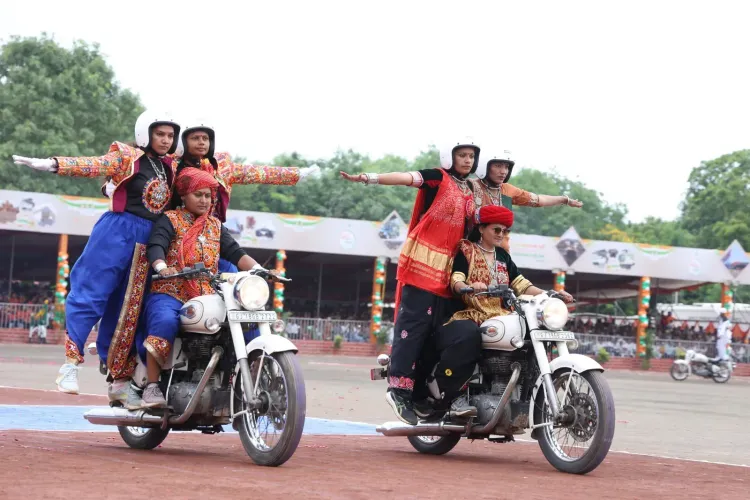
Demonstrations included a women's rifle drill , motorcycle stunts , a dog show , an equestrian display , and a yoga demonstration .
Folk and cultural performances celebrated the 'resilient culture' ( khamirvanti sanskriti ) of the Saurashtra region.
The event reflects a broader pattern of Indian state governments using Independence Day programmes to project both national patriotism and regional cultural pride.
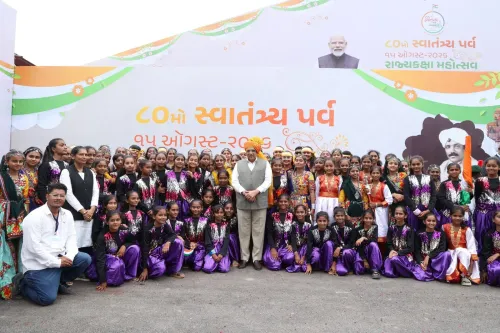
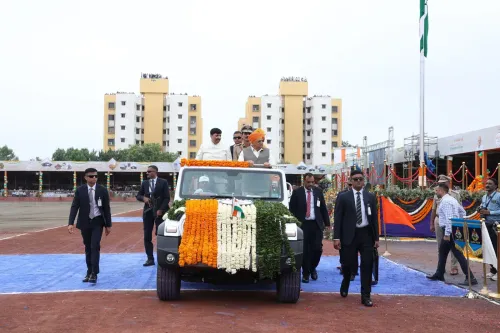
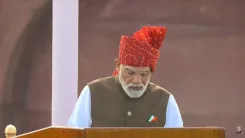
Amreli came alive on 15 August 2026 as the Saurashtra district hosted Gujarat's state-level celebration of India's 80th Independence Day — and Gujarat Chief Minister Bhupendra Patel made sure the occasion matched the milestone. The event wove together the rugged, proud spirit of Kathiawad-Saurashtra with a display of patriotic fervour that few state-level ceremonies manage to pull off with this range.
Amreli's Arena: What Unfolded on the Ground
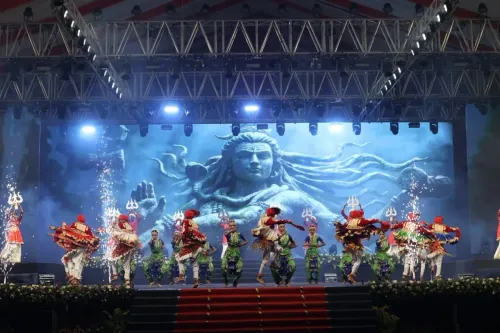
The programme was anything but a standard flag-hoisting. A women's rifle drill opened to a charged crowd, followed by motorcycle stunt demonstrations, a dog show, and an equestrian display — a nod to the horse-rearing traditions that run deep across Saurashtra's pastoral landscape. A yoga demonstration anchored the morning's civic segment, while a series of cultural performances drew on the folk traditions of the Kathiawad belt.
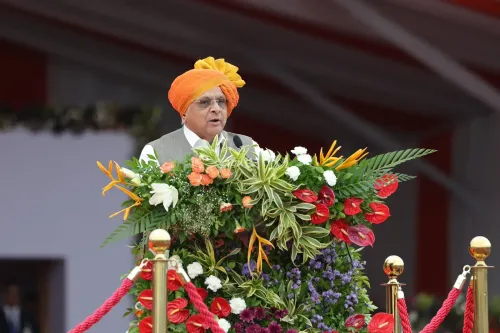
CM Patel described the atmosphere as one filled with 'love and dedication towards the state and the nation' — a sentiment, he noted, that the performances made visceral rather than ceremonial.
Why Amreli, and Why It Resonates
Rotating the state-level Independence Day venue is a deliberate act of political and cultural geography. Amreli district, nestled in the Saurashtra region of southwestern Gujarat, carries a distinct identity — its people, dialect, and traditions sit apart from Ahmedabad's urban centre. Bringing the republic's flagship annual celebration here signals that the state government sees Saurashtra not as a periphery but as a stage.
Indian states have organised regional Independence Day programmes since 1947, but the blend of security-force demonstrations with indigenous cultural acts has become a more deliberate template in recent years — projecting both state capacity and cultural pride in a single frame.
The Kathiawad-Saurashtra Thread
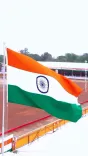
The CM's specific invocation of 'Kathiawad-Saurashtra ni khamirvanti sanskriti' (the resilient culture of Kathiawad-Saurashtra) was pointed. Saurashtra has its own literary tradition, folk music, and a history of princely states that resisted easy assimilation. Celebrating Independence Day here, with performances that reflect that identity, is as much a cultural statement as a patriotic one. Pride in the tricolour and pride in the region were presented, deliberately, as the same thing.
As India marks eight decades of independence, the competition among states to stage the most memorable regional celebration is quietly intensifying. Amreli, at least for 2026, set a high bar.
Point of View
Signalling investment in Saurashtra's political and cultural identity ahead of future electoral cycles. The mix of security-force spectacle and folk performance reflects a broader BJP template of fusing national symbolism with subnational pride. Saurashtra has historically been a competitive zone, and visibility at this scale carries electoral as well as ceremonial weight. The 80th anniversary milestone amplifies the optics considerably.
NationPress
15 Aug 2026
Frequently Asked Questions
Where was Gujarat's state-level Independence Day 2026 celebration held?
Gujarat's state-level 80th Independence Day celebration was held in Amreli , a district in the Saurashtra region of the state, on 15 August 2026 .
What events took place at the Amreli Independence Day programme?
The programme featured a yoga demonstration , a women's rifle drill , motorcycle stunt shows , a dog show , an equestrian display , and cultural performances rooted in the Kathiawad-Saurashtra tradition.
Who presided over Gujarat's Independence Day 2026 function?
Gujarat Chief Minister Bhupendra Patel presided over the state-level celebration and shared highlights from the event on social media.
Why is Amreli significant for Gujarat's Independence Day celebration?
Amreli is part of the Saurashtra region , which has a distinct cultural and historical identity within Gujarat. Hosting the state-level event there underscores the government's focus on regional representation and Saurashtra's heritage.
What is the significance of India's 80th Independence Day in 2026?
India's 80th Independence Day on 15 August 2026 marks eight decades since independence in 1947, making it a milestone year for national and state-level commemorations across the country.