Bangladesh measles outbreak death toll crosses 900, eight more children dead
Synopsis
Bangladesh's measles death toll has crossed 900 — a crisis the GCDG calls entirely preventable. The root cause: a policy switch away from UNICEF's vaccine supply chain, ignored warnings from international agencies, and vaccination coverage that collapsed to a nine-year low of 56.2% in 2025. Eight hundred children are dead from a disease a single shot can stop.
Key Takeaways
At least eight children died from measles in Bangladesh on 15 August 2026 , taking the total confirmed and suspected death toll to 902 .
Confirmed deaths stand at 99 ; suspected deaths have climbed to 803 .
Total suspected measles cases reached 141,776 ; confirmed cases stand at 17,800 .
Measles vaccination coverage fell to 56.2% in 2025 — the lowest since 2017 , according to EPI data.
The GCDG report links the outbreak to the former interim government's switch from UNICEF 's supply chain to open tender procurement, despite repeated warnings.
WHO identified a nationwide measles-rubella (MR) vaccine stock-out during 2024–2025 as a primary driver of the outbreak.
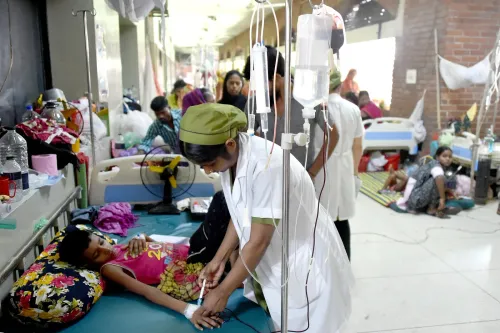
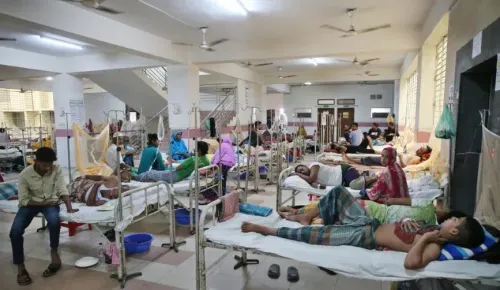
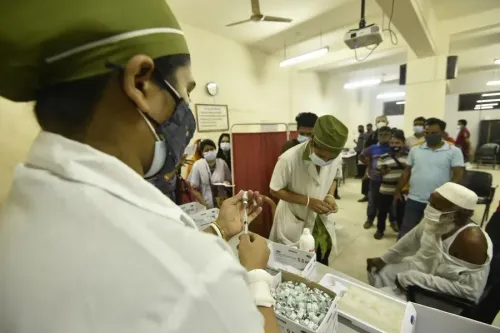
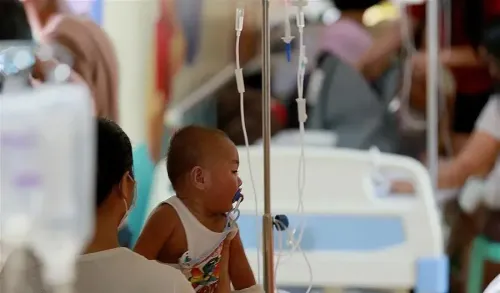
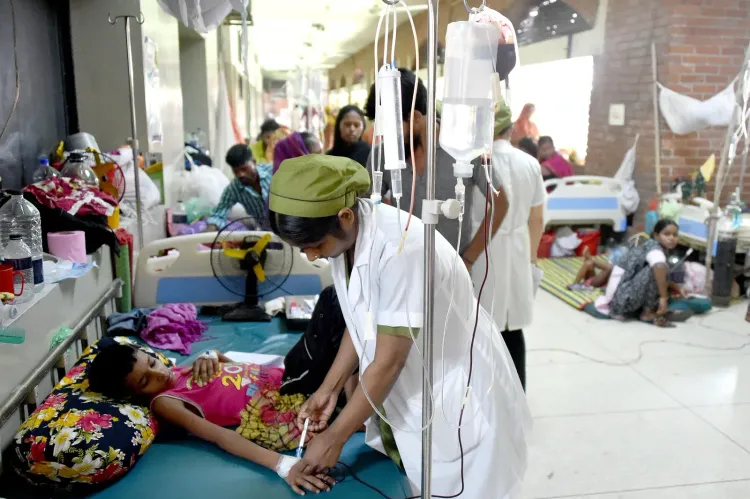
At least eight more children died from measles in Bangladesh on Saturday, 15 August 2026, pushing the total number of confirmed and suspected deaths to 902 this year, according to the country's Directorate General of Health Services (DGHS). The deaths were recorded in the 24 hours leading up to Saturday morning, as the outbreak continues to escalate into one of the country's gravest public health emergencies in recent memory.
Latest Case and Death Figures
The DGHS classified the latest eight fatalities as suspected deaths, bringing the total suspected death count to 803. The number of confirmed deaths remained at 99. During the same 24-hour window, 728 new suspected measles cases were recorded, raising the overall suspected case tally to 141,776. An additional 70 confirmed cases were added, taking the confirmed total to 17,800.
How the Crisis Unfolded
A detailed report titled 'Preventable Tragedy: Bangladesh's 2026 Measles Outbreak', published by the Canada-based Global Centre for Democratic Governance (GCDG), described the crisis as one of Bangladesh's worst public health emergencies in recent history. The report noted that while the outbreak appeared sudden to the public, it was not unexpected from an epidemiological standpoint.
According to the GCDG, the crisis stemmed from a combination of disruptions to vaccine supply and health programmes during 2024–2025 under the former interim government led by Muhammad Yunus. These included missed routine vaccinations, cancellations of scheduled supplementary immunisation drives, administrative delays in vaccine procurement, and a failure to promptly identify at-risk populations.
Procurement Policy Change at the Root
Bangladesh had long sourced WHO-approved vaccines through the United Nations Children's Fund (UNICEF)'s international supply chain. However, the interim government replaced this system with an open tender procurement process. The GCDG report, citing UNICEF, noted that the agency had repeatedly warned the interim government of a potential vaccine shortage through five to six formal letters and approximately 10 meetings held between 2024 and 2026 — warnings that went unheeded.
Vaccination Coverage Collapsed to a Nine-Year Low
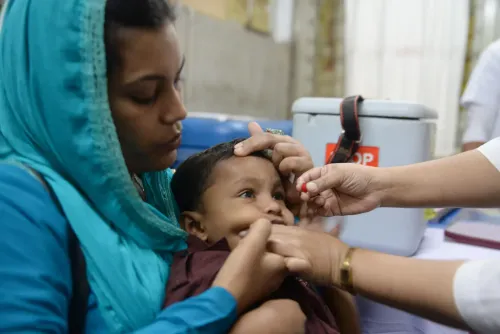
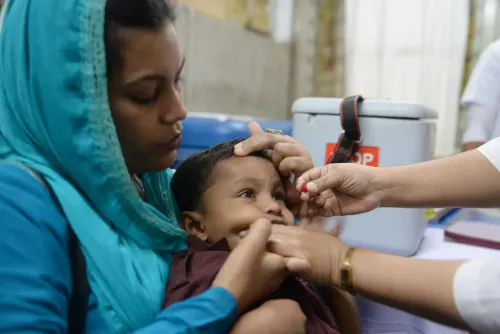
Citing data from Bangladesh's Expanded Programme on Immunisation (EPI), the GCDG reported that measles vaccination coverage fell to 56.2 per cent in 2025 — the lowest level recorded between 2017 and 2025. The World Health Organization (WHO) later identified a nationwide stock-out of the measles-rubella (MR) vaccine during 2024–2025, along with the absence of regular vaccination drives, as the primary contributors to declining immunity among children and the subsequent 2026 outbreak.
What Comes Next
With the outbreak showing no signs of immediate containment, health authorities and international agencies face mounting pressure to restore vaccine supply chains and accelerate immunisation coverage. The situation underscores how administrative and procurement decisions can rapidly translate into preventable child deaths at scale.
Point of View
And what oversight mechanism failed to override it?
NationPress
15 Aug 2026
Frequently Asked Questions
What is the current measles death toll in Bangladesh?
As of 15 August 2026, the total number of confirmed and suspected measles deaths in Bangladesh has reached 902, according to the DGHS. Of these, 99 are confirmed deaths and 803 are classified as suspected.
Why is the measles outbreak so severe in Bangladesh in 2026?
The outbreak is linked to a collapse in vaccination coverage, which fell to 56.2% in 2025 — a nine-year low. The GCDG report attributes this to the former interim government's decision to replace UNICEF's vaccine supply chain with an open tender system, leading to a nationwide measles-rubella vaccine stock-out in 2024–2025.
What did UNICEF warn Bangladesh about before the outbreak?
According to the GCDG report, UNICEF sent five to six formal letters and held approximately 10 meetings with the former interim government between 2024 and 2026 to warn of a potential vaccine shortage. Those warnings were reportedly not acted upon.
How many measles cases have been recorded in Bangladesh in 2026?
As of 15 August 2026, the DGHS has recorded 17,800 confirmed measles cases and 141,776 suspected cases, with 728 new suspected cases added in a single 24-hour period on Saturday.
What is the GCDG and what does its report say?
The Global Centre for Democratic Governance (GCDG) is a Canada-based international advocacy organisation. Its report, titled 'Preventable Tragedy: Bangladesh's 2026 Measles Outbreak', argues that the crisis was epidemiologically foreseeable and resulted from administrative failures, procurement policy changes, and missed immunisation drives under the former interim government.