Bangladesh measles outbreak death toll rises to 409 as 11 more die in 24 hours
Synopsis
Bangladesh's measles outbreak has killed 409 people since mid-March — and health observers say it didn't have to happen. A decades-old vaccination programme scrapped without an exit strategy, stalled procurement, and depleted clinic stocks have turned a preventable disease into a national emergency, with calls mounting for a formal accountability probe.
Key Takeaways
Bangladesh's measles death toll reached 409 as of 11 May 2025 , with 11 new deaths recorded in a single 24-hour period.
65 confirmed measles deaths and 344 suspected deaths have been recorded since 15 March 2025 .
Total confirmed cases stand at 6,819 ; suspected cases have reached 49,159 , with 34,909 hospital admissions.
Bangladesh's Health, Population and Nutrition Sector Programme , active since 1998 , was scrapped in March 2025 without an adequate exit strategy.
Reports allege that stalled vaccine procurement and depleted stocks at over 14,000 community clinics worsened the outbreak under the previous interim government led by Muhammad Yunus .
The Daily Star editorial has called for a probe committee with authority to establish individual responsibility for the deaths.
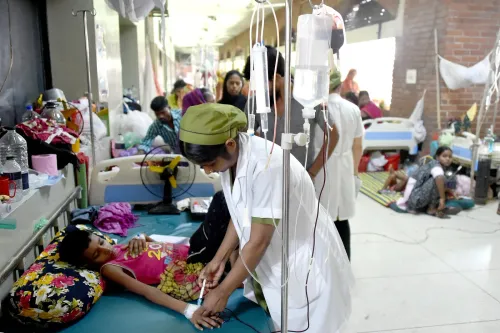
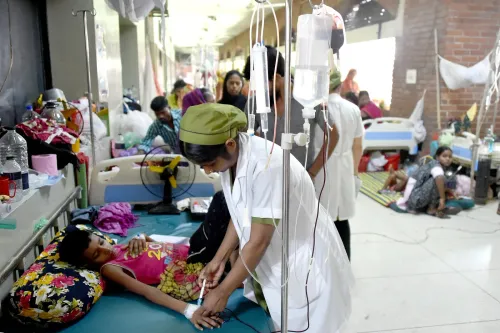
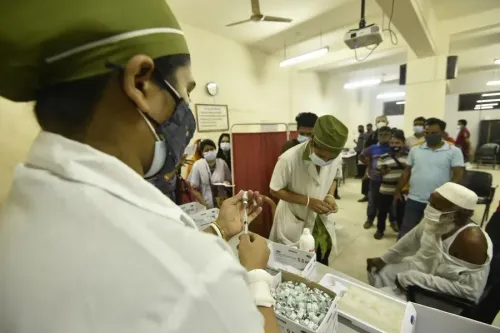
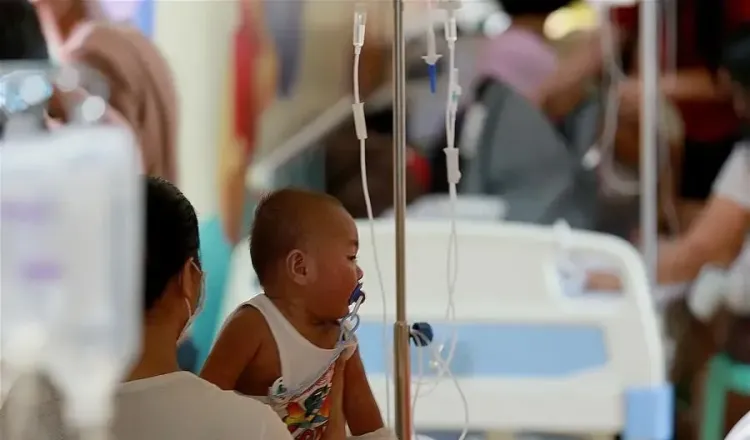
Bangladesh's measles outbreak has claimed at least 11 more lives in a single 24-hour period, pushing the total confirmed and suspected deaths linked to the crisis to 409 since 15 March, according to local media reports. The figures, released by the Directorate General of Health Services (DGHS), underscore the scale of what health observers are calling an avoidable public health catastrophe.
Latest Figures from DGHS
Of the 11 deaths reported in the 24 hours leading up to Sunday, four were from confirmed measles cases, bringing total confirmed deaths since 15 March to 65. The remaining seven were linked to suspected cases, pushing suspected deaths to 344.
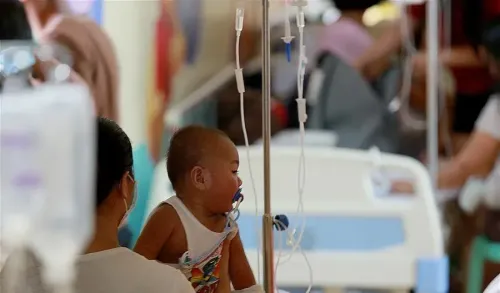
During the same period, 1,503 new suspected measles patients were recorded, taking the cumulative suspected case tally to 49,159. Among these, 205 were confirmed measles cases, raising total confirmed cases to 6,819. Since mid-March, hospitals across Bangladesh have admitted 34,909 patients presenting with measles symptoms, according to reports.
How the Crisis Unfolded
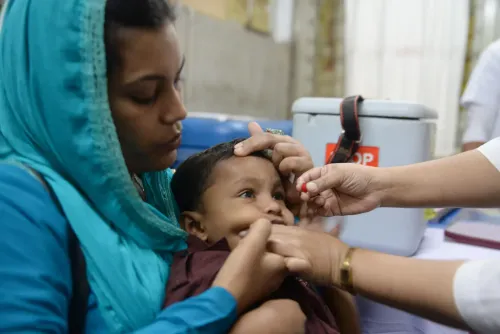
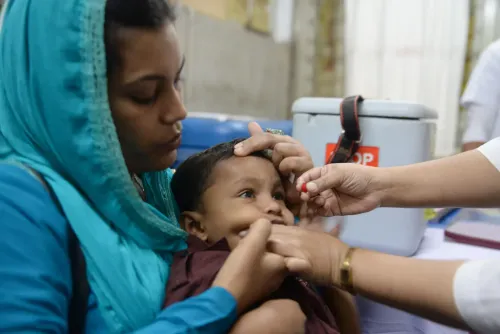
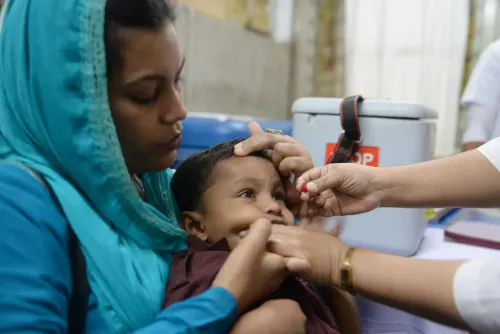
Bangladesh had, for nearly two decades, been widely cited as a model of vaccine coverage improvement among low-income countries. That record, built steadily since the late 1990s, has now been severely compromised. The country's Health, Population and Nutrition Sector Programme — in place since 1998 — was reportedly scrapped in March 2025 without an adequate exit strategy, according to reporting by Bangladeshi daily Dhaka Tribune and an editorial in The Daily Star.
The dismantling of the programme is said to have stalled vaccine procurement, depleted medicine supplies to more than 14,000 community clinics, and exhausted buffer stocks — all during the tenure of the previous interim government led by Muhammad Yunus.
Editorial Calls for Accountability
A sharply worded editorial in The Daily Star described the outbreak as an
Point of View
And children are dying as a direct consequence. The accountability question is not rhetorical: if a functional procurement system was scrapped without replacement capacity, that is a policy decision with traceable authorship. The calls for a probe committee are justified, but the harder question is whether Bangladesh's current political environment can deliver one with genuine independence and enforcement power.
NationPress
26 Sept 2026
Frequently Asked Questions
How many people have died in the Bangladesh measles outbreak?
As of 11 May 2025, at least 409 people have died from confirmed or suspected measles in Bangladesh since 15 March, according to the Directorate General of Health Services (DGHS). Of these, 65 are confirmed measles deaths and 344 are linked to suspected cases.
What caused the measles outbreak in Bangladesh?
Reports attribute the outbreak's severity to the dismantling of Bangladesh's Health, Population and Nutrition Sector Programme in March 2025, which stalled vaccine procurement and depleted medicine supplies to over 14,000 community clinics. The programme had been in place since 1998 and was scrapped without an adequate exit strategy during the tenure of the interim government.
How many confirmed measles cases have been recorded in Bangladesh?
As of the latest DGHS data, Bangladesh has recorded 6,819 confirmed measles cases and 49,159 suspected cases since 15 March 2025, with 34,909 patients admitted to hospitals with measles symptoms.
Who is being held responsible for the Bangladesh measles crisis?
An editorial in The Daily Star has called for accountability from the previous interim government led by Muhammad Yunus, which it says dismantled a functional vaccine procurement system without the capacity to rebuild it. The editorial has demanded a probe committee with the authority to establish individual responsibility.
What was Bangladesh's vaccination record before this outbreak?
Bangladesh's measles vaccination coverage rose steadily for nearly two decades and was considered an international model for low-income countries, according to The Daily Star. That record has been severely undermined following the collapse of the procurement and supply chain system in 2025.