Bangladesh measles outbreak death toll hits 545 as 17 more children die
Synopsis
Bangladesh's measles outbreak has now killed 545 children since mid-March, with the latest 24-hour toll matching the single-day peak set on 4 May. A crippling shortage of ICU beds at district hospitals is forcing critically ill children on repeated transfers to Dhaka — a journey that, for many, comes too late.
Key Takeaways
545 children have died from measles and measles-like symptoms in Bangladesh since 15 March 2025 .
17 deaths were recorded in the 24 hours ending 8 am on 25 May , matching the outbreak's single-day peak from 4 May .
64,940 suspected measles cases have been logged since March; 8,719 are confirmed infections.
Of 52,585 hospitalised patients, 47,619 have been discharged after recovery.
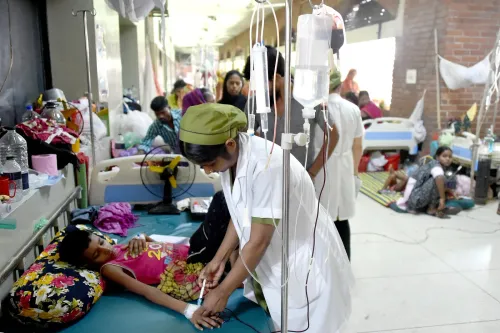
A shortage of ICU facilities at district hospitals is forcing critically ill children to be transferred to Dhaka , worsening outcomes.
Experts warn that delayed diagnosis and repeated hospital transfers are driving preventable deaths.
Bangladesh's measles outbreak has claimed 545 lives since 15 March, after 17 more children died from measles and measles-like symptoms in the 24 hours ending 8 am on Monday, 25 May, according to data released by the Directorate General of Health Services (DGHS). The single-day toll matches the outbreak's previous peak recorded on 4 May, when 17 deaths were also reported.
Latest Case and Fatality Data
Of the 17 deaths recorded in the latest reporting window, one was a confirmed measles fatality and 16 were classified as suspected measles deaths, according to the DGHS. Since March, Bangladesh has logged 64,940 suspected measles cases, of which 8,719 have been confirmed infections. A total of 52,585 suspected patients have been hospitalised, and 47,619 have been discharged after recovery.
Why Delayed Diagnosis Is Worsening the Crisis
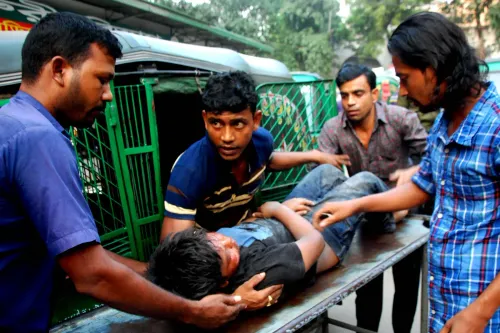
Health officials and physicians warn that delayed diagnosis is driving severe complications and preventable deaths. Early symptoms — fever, cough, and runny nose — are frequently mistaken for common viral illnesses, prompting families to first seek care at local pharmacies or small clinics rather than hospitals. By the time patients are referred upward through the system — from local clinics to district hospitals and eventually to specialised facilities in Dhaka — children are arriving critically ill with pneumonia and respiratory distress, making treatment significantly harder.
ICU Shortfall Driving Transfers to Dhaka
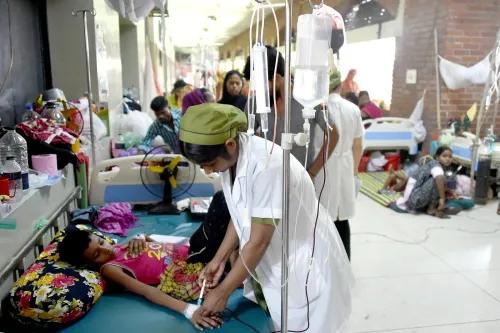
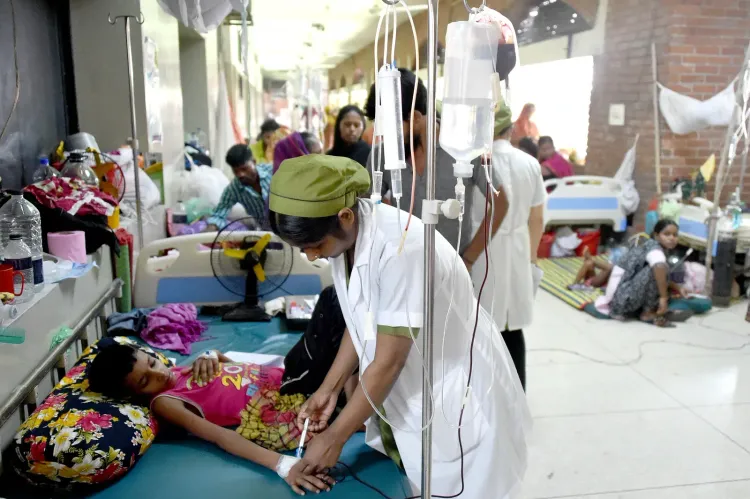
A shortage of Intensive Care Unit (ICU) beds and specialised treatment infrastructure at district hospitals is forcing a growing number of critically ill children to be transferred to Dhaka. Public health and vaccination experts have flagged that repeated hospital transfers not only delay definitive care but also heighten health risks for patients. Isolation of measles patients, experts stress, is essential to contain further spread of the disease.
Scale of the Outbreak in Context
The Bangladesh outbreak, now in its third month, is one of the most severe measles events in the region in recent years. The gap between suspected cases (64,940) and confirmed infections (8,719) underscores the diagnostic capacity constraints facing the country's public health system. This comes amid broader concerns across South Asia about declining childhood vaccination coverage in the post-pandemic period, which has left pockets of unimmunised children vulnerable to vaccine-preventable diseases.
What Comes Next
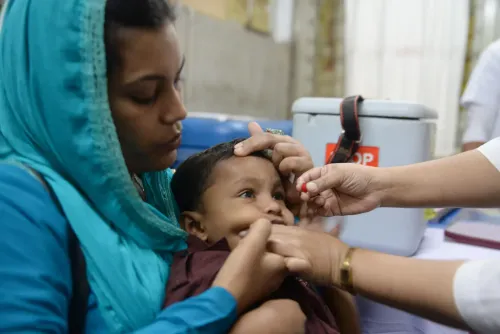
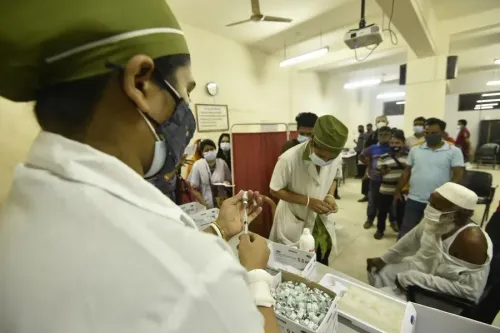
With daily death tolls still matching outbreak peaks, health authorities face mounting pressure to scale up diagnostic capacity, expand ICU availability at district level, and accelerate vaccination campaigns in affected regions. The trajectory of the outbreak over the coming weeks will depend heavily on whether isolation protocols and emergency immunisation efforts can be implemented at sufficient speed and scale.
Point of View
Being shuttled from clinic to district hospital to Dhaka, reveals a referral chain that was never designed to handle a surge of this scale. The gap between 64,940 suspected cases and just 8,719 confirmed infections is not reassuring — it reflects diagnostic bottlenecks, not a contained outbreak. South Asia's post-pandemic dip in routine immunisation coverage was well-documented and widely warned about; Bangladesh is now paying that deferred cost in children's lives.
NationPress
26 Sept 2026
Frequently Asked Questions
What is the current death toll from the Bangladesh measles outbreak?
As of 8 am on 25 May 2025 , the death toll from measles and measles-like symptoms in Bangladesh has reached 545 since the outbreak began on 15 March . The latest 24-hour period saw 17 deaths , matching the single-day peak recorded on 4 May .
How many measles cases have been reported in Bangladesh?
According to the Directorate General of Health Services (DGHS) , 64,940 suspected measles cases have been logged in Bangladesh since March 2025, of which 8,719 are confirmed infections. A total of 52,585 patients have been hospitalised, with 47,619 discharged after recovery.
Why are so many children dying from measles in Bangladesh?
Physicians attribute the high mortality to delayed diagnosis — early symptoms like fever, cough, and runny nose are often mistaken for common viral illnesses, causing families to seek care at local pharmacies first. By the time children reach specialised hospitals, many are critically ill with pneumonia and respiratory distress, making treatment far more difficult.
What role is the ICU shortage playing in the outbreak?
A shortage of ICU beds and specialised facilities at district hospitals is forcing critically ill children to be transferred to Dhaka . Public health experts warn that these repeated hospital transfers increase health risks and delay life-saving treatment, contributing to preventable deaths.
How can the Bangladesh measles outbreak be contained?
Public health and vaccination experts stress that isolation of measles patients is essential to prevent further spread. Scaling up diagnostic capacity, expanding ICU availability at district level, and accelerating emergency vaccination campaigns in affected areas are considered the critical next steps.