Bangladesh measles outbreak death toll hits 610; five more children die
Synopsis
Bangladesh's measles outbreak has now killed at least 610 children since mid-March, with five more deaths recorded in a single day. At the centre of the crisis is an alleged vaccine procurement blunder — officials reportedly ditched a UNICEF-run system for an open tender process in September 2025 despite formal warnings, creating an immunity gap that critics are calling a 'man-made massacre.'
Key Takeaways
The measles outbreak in Bangladesh has claimed at least 610 confirmed and suspected lives since 15 March 2025 .
Five more children died in the 24 hours to Friday, 5 June ; all classified as suspected measles fatalities.
Total suspected cases have reached 76,876 ; confirmed cases stand at 9,503 .
The Awami League alleges the crisis stems from a September 2025 decision by the interim government to abandon UNICEF -backed vaccine procurement in favour of an open tender process.
The BNP -led government of Prime Minister Tarique Rahman has been accused of an 'inadequate' response since taking office in February 2025 .
Demands include a national public health emergency declaration, an accelerated vaccination drive, and an independent inquiry into procurement failures.
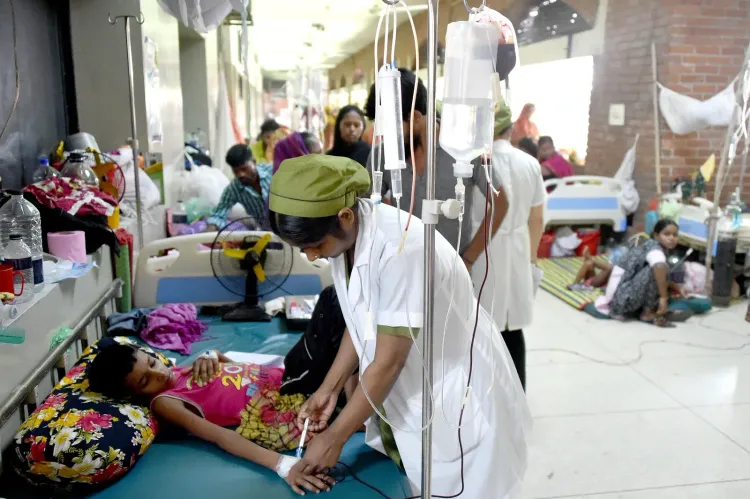
At least five more children have died from the ongoing measles outbreak in Bangladesh in the 24 hours leading up to Friday, 5 June, pushing the total number of confirmed and suspected deaths to 610 since the crisis began on 15 March this year. The escalating health emergency has drawn sharp political condemnation and renewed calls for a national public health declaration.
Latest Case and Fatality Figures
According to the Directorate General of Health Services (DGHS), all five of the latest deaths were classified as suspected measles fatalities. The cumulative confirmed death count stands at 91, while suspected deaths have climbed to 519.
On the case side, 1,168 new suspected cases were recorded in the same 24-hour window, bringing the total suspected caseload to 76,876. An additional 243 confirmed cases were added, taking confirmed cases to 9,503.
Strain on Healthcare Infrastructure
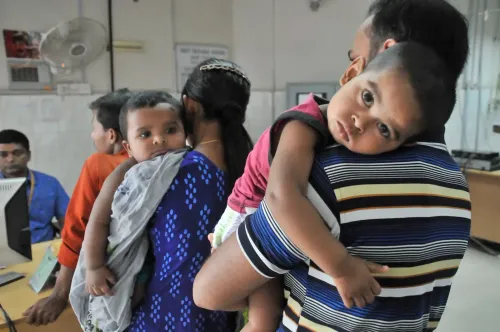
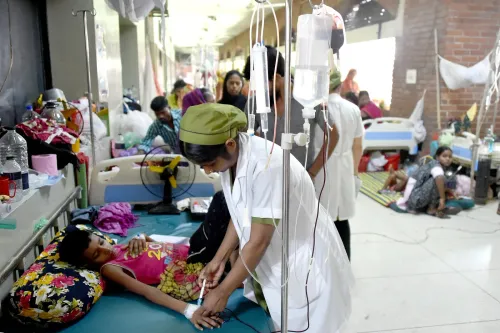
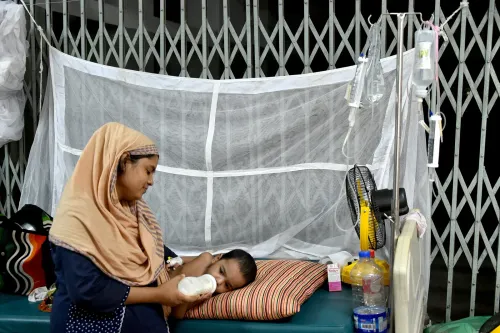
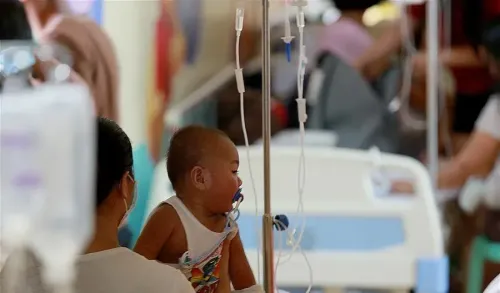
An editorial in Bangladesh's Daily Star newspaper described the country as facing a 'disturbing rise' in measles infections, with increasing complications and mortality concentrated among children. The outbreak has placed severe pressure on healthcare facilities nationwide, particularly on paediatric ICU capacity, isolation wards, ventilatory care, and infection-control systems, according to the editorial.
Political Blame and Governance Failures
The Awami League has characterised the crisis as a 'man-made failure of governance' rather than a natural disaster, tracing its roots to decisions made during the former Muhammad Yunus-led interim administration. According to the party, in September 2025, officials under the interim regime reportedly abandoned the established vaccine procurement system operated through the United Nations International Children's Emergency Fund (UNICEF) and switched to an open tender process — a move that UNICEF had warned against through multiple formal letters and high-level meetings.
'The outcome was predictable and devastating: a massive immunity gap among millions of children, particularly those under five, who now constitute the vast majority of victims. Independent investigations have rightly described this as a 'man-made massacre' rooted in administrative arrogance and incompetence,' the Awami League stated.
The party further alleged that Prime Minister Tarique Rahman and the Bangladesh Nationalist Party (BNP)-led government, which assumed office in February this year with full knowledge of the unfolding crisis, had delivered a response over the past four months that remained 'disturbingly inadequate.'
Demands and the Road Ahead
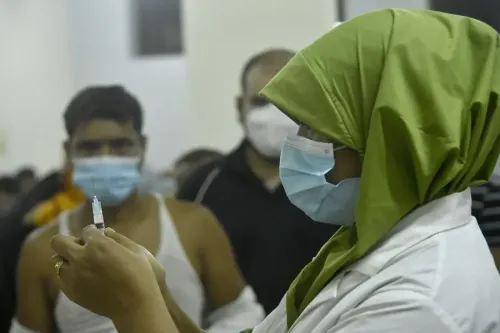
The Awami League has urged the Bangladesh government to declare a national public health emergency with clear timelines, measurable targets, and daily public reporting. It also called for an accelerated emergency vaccination drive with full transparency and international oversight, alongside an independent, time-bound investigation into the procurement failures under the interim administration.
With the death toll continuing to rise and healthcare facilities under acute strain, the coming weeks will test whether Bangladesh's government can mount a credible emergency response before the outbreak deepens further.
Point of View
Documented warnings — is not a policy misstep; it is a governance failure with a body count. What makes this harder to dismiss is the timeline: the BNP government inherited the crisis in February 2025 with full visibility of the immunity gap and has, by the opposition's account, spent four months underreacting. Whether or not the political blame-game between the Awami League and BNP is credible, the structural question — who authorised the procurement switch and why — demands an independent answer, not a partisan one. With 76,876 suspected cases and counting, the window for containment is narrowing fast.
NationPress
26 Sept 2026
Frequently Asked Questions
What is the current death toll from the Bangladesh measles outbreak?
As of 5 June 2025, the total number of confirmed and suspected measles deaths in Bangladesh stands at 610 since the outbreak began on 15 March. Of these, 91 are confirmed deaths and 519 are suspected.
How many measles cases have been reported in Bangladesh?
The Directorate General of Health Services (DGHS) has recorded 76,876 total suspected cases and 9,503 confirmed cases as of 5 June 2025. An additional 1,168 suspected and 243 confirmed cases were added in the 24 hours to Friday morning alone.
What caused the measles outbreak in Bangladesh?
The Awami League alleges the crisis was triggered by a decision in September 2025, under the Muhammad Yunus-led interim administration, to abandon UNICEF-managed vaccine procurement in favour of an open tender process — despite formal warnings from UNICEF. This reportedly created a large immunity gap, particularly among children under five.
What is the Bangladesh government being asked to do?
The Awami League has demanded that the BNP-led government declare a national public health emergency, launch an accelerated vaccination drive with international oversight, and commission an independent investigation into the procurement failures under the interim government.
Who is politically responsible for the outbreak, according to opposition claims?
The Awami League holds the former Muhammad Yunus-led interim administration responsible for the procurement failure and criticises the current BNP government under Prime Minister Tarique Rahman for what it calls a 'disturbingly inadequate' response since taking office in February 2025. The government has not publicly responded to these specific allegations, according to available reports.